Chemical Peels and Post-Inflammatory Pigmentation
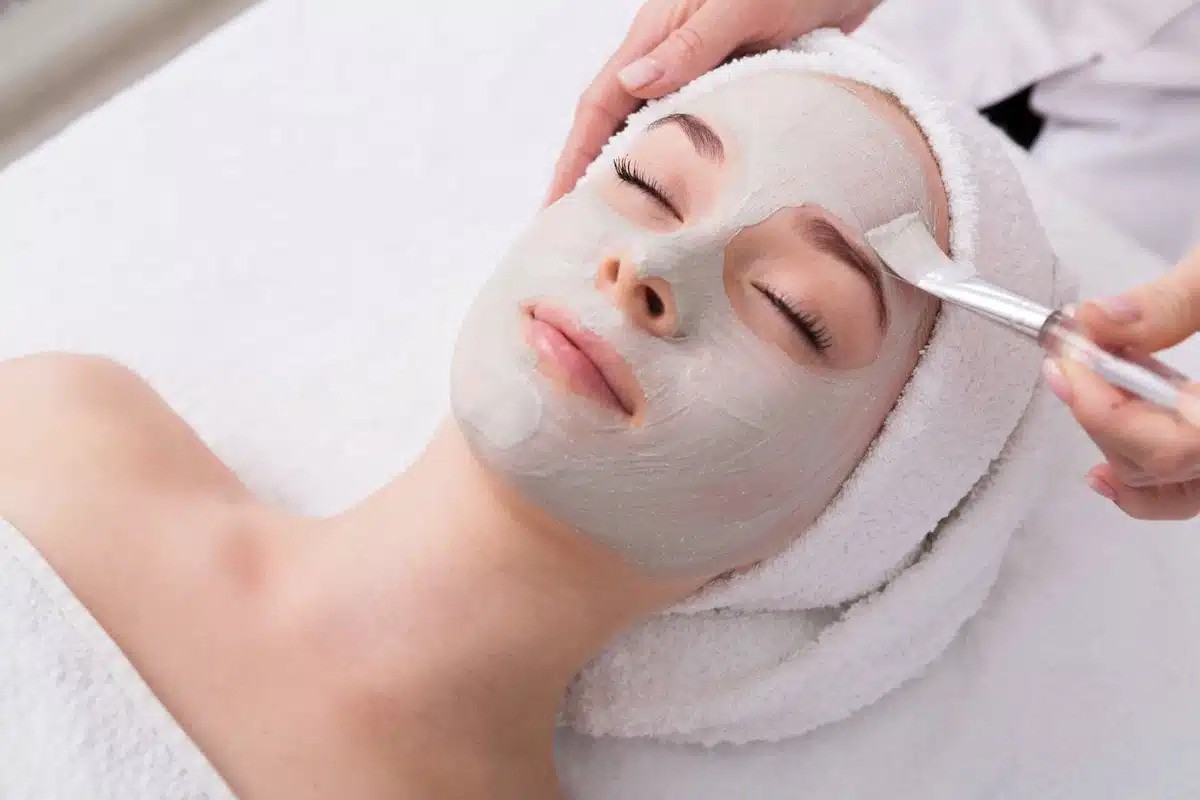
Dark marks that linger after acne, rashes, burns, or irritation can be frustrating. Even when the blemish heals, the skin may be left with stubborn brown or gray patches that refuse to fade. This condition is called post-inflammatory pigmentation (PIH) — and it is extremely common.
The good news? When used correctly, chemical peels can significantly lighten post-inflammatory pigmentation, smooth texture, and help restore a clearer complexion. However, the treatment must be customized carefully to avoid making pigmentation worse.
If you’re considering a Chemical peel in Islamabad or anywhere else, understanding how PIH develops and how peels work is the first step to getting safe and satisfying results.
What Is Post-Inflammatory Pigmentation?
Post-inflammatory pigmentation develops after the skin experiences inflammation or injury. The skin produces extra melanin — the pigment that gives color — as part of its healing response. Once inflammation settles, pigment remains trapped in the skin, leaving behind dark spots.
Common causes include:
Acne breakouts
Bug bites or allergic reactions
Over-exfoliation or harsh skincare
Sunburn or heat damage
Eczema or dermatitis
Picking or squeezing pimples
PIH is especially common in medium to darker skin tones because melanin activity is naturally higher.
How Chemical Peels Help Treat PIH:
A chemical peel applies controlled exfoliating acids to the skin. These acids encourage the damaged outer layers to shed while boosting new cell turnover. Over time, the pigmented cells fade and are replaced by fresher, healthier skin.
Here’s what chemical peels do for PIH:
Remove pigmented surface cells
Stimulate collagen and renewal
Improve overall tone and texture
Allow brightening products to work better
The key is gentle, gradual peeling, not aggressive treatments that irritate the skin. Irritation can trigger even more pigmentation — the exact problem we’re trying to fix.
Best Chemical Peels for Post-Inflammatory Pigmentation:
Dermatologists typically recommend superficial or medium peels, depending on the depth of pigmentation.
Glycolic Acid Peels:
Great for mild PIH, fine lines, and dullness. They improve cell turnover and soften discoloration over several sessions.
Lactic Acid Peels:
Gentle and hydrating — ideal for sensitive skin. They brighten without harsh irritation.
Mandelic Acid Peels:
Excellent for acne-prone or darker skin tones. Mandelic penetrates slowly, lowering the risk of rebound pigmentation.
Salicylic Acid Peels:
Helpful when PIH comes from acne, because salicylic clears pores while fading marks.
Your dermatologist may also combine peels with medical brighteners such as azelaic acid, kojic acid, or retinoids for stronger results.
Who Is a Good Candidate?
You may benefit from chemical peels if you have:
Acne marks that refuse to fade
Dark patches left after irritation
Uneven tone and roughness
Sun-exposed blemishes
However, you may need caution or delay treatment if you have:
Active acne cysts or infection
Open wounds or burns
Severe eczema or rosacea flares
Recent laser or cosmetic procedures
Pregnancy (doctor guidance required)
A professional consultation is essential — especially when considering Chemical peel cost and long-term safety.
What to Expect During Treatment:
A typical peel session is quick and straightforward:
The skin is cleansed thoroughly.
The peeling solution is applied for a few minutes.
Mild tingling or warmth may occur.
The peel is neutralized and removed.
Depending on the strength, light peeling or flaking begins within 2–5 days and may last up to a week.
Most people need 3–6 sessions spaced several weeks apart for noticeable improvement.
Essential Aftercare to Prevent Darkening:
Aftercare is just as important as the peel itself — especially for pigmentation-prone skin.
Follow these rules strictly:
Use broad-spectrum sunscreen SPF 30+ daily
Avoid sun exposure during healing
Do not pick or peel the skin
Skip scrubs, retinoids, and exfoliants for a week
Keep skin moisturized and calm
Use only dermatologist-approved brightening serums
Ignoring aftercare can cause new pigmentation — undoing your progress.
Can Chemical Peels Worsen Pigmentation?
Yes — if performed incorrectly, on unsuitable skin, or with strong formulas, chemical peels can trigger more inflammation.
Risk increases when:
Skincare is too harsh after treatment
Strong peels are used on darker skin
You tan or skip sunscreen
The peel is done by untrained providers
That’s why choosing an experienced clinic matters. Many patients trust specialists at reputable centers such as royal cosmetic surgery for careful evaluation and customized treatment plans.
How Long Do Results Take?
PIH fades slowly by nature. Most patients begin noticing visible improvement after 2–3 sessions, with progressive brightening over time. Consistency is more important than speed.
Combining peels with medical skincare often produces the best outcome — especially for deeper pigmentation.
Final Thoughts:
Post-inflammatory pigmentation can be emotionally and cosmetically frustrating — but it is treatable. Chemical peels gently resurface the skin, reduce lingering dark marks, and restore clarity when used responsibly.
The secret to success lies in:
Proper skin assessment
Choosing the right peel strength
Gradual, repeated treatments
Strict sun protection and aftercare
If you’re dealing with stubborn dark marks, a professional consultation is the safest place to start. A customized chemical peel plan can help you move toward clearer, brighter, more confident skin.
Most questions answered within 3 hours.
-
Draw a DFA for the language accepting strings starting with ‘101’ over input alphabets ∑ = {0, 1}.
posted at 2021-10-14 11:33:39 -
How to become a data scientist
posted at 2021-09-30 00:57:11 -
Urbanization in India
posted at 2021-09-26 22:49:48 -
Rural Development in Bangladesh
posted at 2021-09-26 22:39:47 -
Nature of Competition in Telecommunications Industry
posted at 2021-09-14 09:48:44 -
Discover Tech Life Cycle of Mimeograph: an Obsolete Technology
posted at 2021-09-14 09:47:06 -
Impact of Global Crisis of Electronic Chips on Automotive industry
posted at 2021-09-14 09:45:20 -
pollution and its causes
posted at 2021-09-11 11:43:30 -
How can I improve my grades in school?
posted at 2021-08-20 12:25:18 -
An Introduction To Atomic Number, Isotopes And Isobars
posted at 2021-08-07 07:40:41
-
Imagine a conversation between supervisor Gina and her
supervisee Peter. Gina had observed several lapses in...
asked at 2026-06-09 18:02:44 -
describe three types of errors.
Construct an example that uses each of these types of
error....
asked at 2026-06-09 17:59:11 -
Describe 2 websites that are dedicated to unmasking
internet hoaxes. And how effective are these sites...
asked at 2026-06-09 17:47:42 -
Parallel
Table 4 and graph 4 ( Applied Force on the vertical axis versus
displacement on...
asked at 2026-06-09 17:46:50 -
Compare and contrast ISO 9000 and the Baldrige Award Criteria.
Which one is more rigorous and...
asked at 2026-06-09 17:44:43 -
Instead of directing the synthesis of a polypeptide, Har
Khorana found that the RNA (GAUA)ndirected the...
asked at 2026-06-09 17:45:40 -
3. A jar contains 7 red, 2 green, and 4 pink marbles. If you
pick one...
asked at 2026-06-09 17:44:41 -
Part A
A 18.0 cm × 18.0 cm square loop of wire lies in the
xy-plane...
asked at 2026-06-09 17:43:31 -
Discuss the seven major activity areas of security firms. How does
each activity area assist in...
asked at 2026-06-09 17:43:03 -
Critical Thinking: Use the following scenario: You have been
hired to design a database for a...
asked at 2026-06-09 17:41:23