Just answer 20 and the bonus 20. Starting from benne or misle and following compounds (18...
 Just answer 20 and the bonus
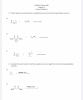
20. Starting from benne or misle and following compounds (18 pts) other agent of your choice, design a synthesis for each of the o com 21. Predict the products from the Birch reductions shown below. (3 pts) U NENE MANE Bonus: (6 pts) Provide a synthesis for the target molecule using benzene. COH COH...
Just answer 20 and the bonus
20. Starting from benne or misle and following compounds (18 pts) other agent of your choice, design a synthesis for each of the o com 21. Predict the products from the Birch reductions shown below. (3 pts) U NENE MANE Bonus: (6 pts) Provide a synthesis for the target molecule using benzene. COH COH...
Showing mechanism and major product is extremely appreciated. Thank you in advance! B) Predict the products...
 Showing mechanism and major product is extremely appreciated.
Thank you in advance!
B) Predict the products for the reactions below (2 points per box, 4 points total section). MgBr SH Major product Major product C) Solve the following boxes below (2 points per box, 6 points total section). 1 equiv HNMez HH 0 LDA
Showing mechanism and major product is extremely appreciated.
Thank you in advance!
B) Predict the products for the reactions below (2 points per box, 4 points total section). MgBr SH Major product Major product C) Solve the following boxes below (2 points per box, 6 points total section). 1 equiv HNMez HH 0 LDA
4. Predict the eliminations products formed (E-1 mechanism) when(S)-4-ethyl-4- methylhexan-3-ol is heated with concentrated sulfuric acid....
 4. Predict the eliminations products formed (E-1 mechanism) when(S)-4-ethyl-4- methylhexan-3-ol is heated with concentrated sulfuric acid. Also, identify the rate determining step and the major product using Zaitsev's Rule? (Mechanism must be shown to receive full points). (15 pts) CH3 HaC con. aq. H2SO heat он CH3
7. Predict the products and write a balanced net ionic equation for the following reactions: Tin(II)...
 7. Predict the products and write a balanced net ionic equation for the following reactions: Tin(II) chloride is added to potassium permanganate solution in acidic conditions. a. b. Zinc dust is treated with dilute nitric acid, forming ammonium ions. Potassium permanganate oxidizes the oxalate ions in calcium oxalate to carbon dioxide C. in an acidic solution. 6-72 Chemistry 141 Grossmont...
1 attempts left Check my work Use LeChatelier's principle to predict the effect, if any, of adding C to the equil...
 1 attempts left Check my work Use LeChatelier's principle to predict the effect, if any, of adding C to the equilibrium system, described below, in a closed container. Select the single best answer. o O C(s) + 2 H2(g) =CH,(g) + 18 kcal Equilibrium shifts right favoring products No effect Equilibrium shifts left favoring reactants tants
need help ASAP! 3.(5pts each) For the following reactions, in each box please provide the missing...
 need help ASAP!
3.(5pts each) For the following reactions, in each box please provide the missing reagents or predict the reactants or major products. 1) LDA 2) a. Br Br b. OH ix c. PPh3 d. NaOH, H2O, heat 2eq HOS e. やりがい f. GEN 1) Me-MgBr 2) H30+
need help ASAP!
3.(5pts each) For the following reactions, in each box please provide the missing reagents or predict the reactants or major products. 1) LDA 2) a. Br Br b. OH ix c. PPh3 d. NaOH, H2O, heat 2eq HOS e. やりがい f. GEN 1) Me-MgBr 2) H30+
hi i need help with this worsheet CHM 242 Winter 2020 Chapter 21 Lecture Worksheet 1)...
 hi i need help with this worsheet
CHM 242 Winter 2020 Chapter 21 Lecture Worksheet 1) Predict products and the position of equilibrium in each of the following acid/base reactions. em que a 2) Consider the anion formed in the first example above (la). Apply this to the following substitution reactions. i NaOM, CHI NaOme. Chyl NaOM, CHI Meo OM
hi i need help with this worsheet
CHM 242 Winter 2020 Chapter 21 Lecture Worksheet 1) Predict products and the position of equilibrium in each of the following acid/base reactions. em que a 2) Consider the anion formed in the first example above (la). Apply this to the following substitution reactions. i NaOM, CHI NaOme. Chyl NaOM, CHI Meo OM
For the follouwing Acid-base reactions belous: 1: Predict tne products and draw in the labeled boxes....
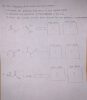 For the follouwing Acid-base reactions belous: 1: Predict tne products and draw in the labeled boxes. 2. Indicate tne direction of equilhbvium in the box. 3. Show tne curved arrows tnat account for tne syntne tic transtormatio Conj. base com.Acid con. bose con.. Acid 2. он con base COM) Acid H2 N + LiOH он
organic chemistry problem set help Score (out of TO) Label each of the following as aromatic,...
 organic chemistry problem set help
Score (out of TO) Label each of the following as aromatic, anti-aromatic, or non-aromatic. Give the number of electrons in the π system for each. aromatic? anti-aromatic? non-aromatic? number of electrons in π system 2) 3) Predict the major organic product or products for each of these. Br2 4) FeBr3 NO2 CI 2 5) FeCl
organic chemistry problem set help
Score (out of TO) Label each of the following as aromatic, anti-aromatic, or non-aromatic. Give the number of electrons in the π system for each. aromatic? anti-aromatic? non-aromatic? number of electrons in π system 2) 3) Predict the major organic product or products for each of these. Br2 4) FeBr3 NO2 CI 2 5) FeCl
Which of the following is not generally a cost posed by inflation? Question 13 options: Firms...
Which of the following is not generally a cost posed by inflation? Question 13 options: Firms must pay for changing prices on products and printing new catalogues. Consumers and firms lose purchasing power to the extent that money loses value. Banks can lose if they under-predict inflation and charge an interest rate that does not completely compensate for inflation. Inflation...
 Just answer 20 and the bonus
20. Starting from benne or misle and following compounds (18 pts) other agent of your choice, design a synthesis for each of the o com 21. Predict the products from the Birch reductions shown below. (3 pts) U NENE MANE Bonus: (6 pts) Provide a synthesis for the target molecule using benzene. COH COH...
Just answer 20 and the bonus
20. Starting from benne or misle and following compounds (18 pts) other agent of your choice, design a synthesis for each of the o com 21. Predict the products from the Birch reductions shown below. (3 pts) U NENE MANE Bonus: (6 pts) Provide a synthesis for the target molecule using benzene. COH COH...
 Showing mechanism and major product is extremely appreciated.
Thank you in advance!
B) Predict the products for the reactions below (2 points per box, 4 points total section). MgBr SH Major product Major product C) Solve the following boxes below (2 points per box, 6 points total section). 1 equiv HNMez HH 0 LDA
Showing mechanism and major product is extremely appreciated.
Thank you in advance!
B) Predict the products for the reactions below (2 points per box, 4 points total section). MgBr SH Major product Major product C) Solve the following boxes below (2 points per box, 6 points total section). 1 equiv HNMez HH 0 LDA
 4. Predict the eliminations products formed (E-1 mechanism) when(S)-4-ethyl-4- methylhexan-3-ol is heated with concentrated sulfuric acid. Also, identify the rate determining step and the major product using Zaitsev's Rule? (Mechanism must be shown to receive full points). (15 pts) CH3 HaC con. aq. H2SO heat он CH3
 7. Predict the products and write a balanced net ionic equation for the following reactions: Tin(II) chloride is added to potassium permanganate solution in acidic conditions. a. b. Zinc dust is treated with dilute nitric acid, forming ammonium ions. Potassium permanganate oxidizes the oxalate ions in calcium oxalate to carbon dioxide C. in an acidic solution. 6-72 Chemistry 141 Grossmont...
 1 attempts left Check my work Use LeChatelier's principle to predict the effect, if any, of adding C to the equilibrium system, described below, in a closed container. Select the single best answer. o O C(s) + 2 H2(g) =CH,(g) + 18 kcal Equilibrium shifts right favoring products No effect Equilibrium shifts left favoring reactants tants
 need help ASAP!
3.(5pts each) For the following reactions, in each box please provide the missing reagents or predict the reactants or major products. 1) LDA 2) a. Br Br b. OH ix c. PPh3 d. NaOH, H2O, heat 2eq HOS e. やりがい f. GEN 1) Me-MgBr 2) H30+
need help ASAP!
3.(5pts each) For the following reactions, in each box please provide the missing reagents or predict the reactants or major products. 1) LDA 2) a. Br Br b. OH ix c. PPh3 d. NaOH, H2O, heat 2eq HOS e. やりがい f. GEN 1) Me-MgBr 2) H30+
 hi i need help with this worsheet
CHM 242 Winter 2020 Chapter 21 Lecture Worksheet 1) Predict products and the position of equilibrium in each of the following acid/base reactions. em que a 2) Consider the anion formed in the first example above (la). Apply this to the following substitution reactions. i NaOM, CHI NaOme. Chyl NaOM, CHI Meo OM
hi i need help with this worsheet
CHM 242 Winter 2020 Chapter 21 Lecture Worksheet 1) Predict products and the position of equilibrium in each of the following acid/base reactions. em que a 2) Consider the anion formed in the first example above (la). Apply this to the following substitution reactions. i NaOM, CHI NaOme. Chyl NaOM, CHI Meo OM
 For the follouwing Acid-base reactions belous: 1: Predict tne products and draw in the labeled boxes. 2. Indicate tne direction of equilhbvium in the box. 3. Show tne curved arrows tnat account for tne syntne tic transtormatio Conj. base com.Acid con. bose con.. Acid 2. он con base COM) Acid H2 N + LiOH он
 organic chemistry problem set help
Score (out of TO) Label each of the following as aromatic, anti-aromatic, or non-aromatic. Give the number of electrons in the π system for each. aromatic? anti-aromatic? non-aromatic? number of electrons in π system 2) 3) Predict the major organic product or products for each of these. Br2 4) FeBr3 NO2 CI 2 5) FeCl
organic chemistry problem set help
Score (out of TO) Label each of the following as aromatic, anti-aromatic, or non-aromatic. Give the number of electrons in the π system for each. aromatic? anti-aromatic? non-aromatic? number of electrons in π system 2) 3) Predict the major organic product or products for each of these. Br2 4) FeBr3 NO2 CI 2 5) FeCl
Most questions answered within 3 hours.