
Homework Answers
•BPG is a heterotropic allosteric inhibitor of Hb, binding in a
positively charged pocket distant from the heme.
•Its concentration is increased at high altitues.
•It reduces Oxygen affinity, shifting the binding curve to the
right.
•Although the hemoglobin has a lower affinity, it is capable of
increased delivery at high altitudes where the O2 is low.
Add Answer to:
BPG (bisphosphoglycerate) is involved in the adjustment of Oxygen delivery at high altitude. Briefly explain how...
Explain the role of BPG in Hb function. How is BPG involved with adaptation to high...
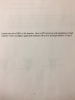 Explain the role of BPG in Hb function. How is BPG involved with adaptation to high altitude? Draw and label a graph that illustrates Hb at low and high altitude. (10 pts.) WI
2) We discussed in class how the molecule 2,3-bisphosphoglycerate (BPG) is an inhibitor of hemoglobin (Hb)....
2) We discussed in class how the molecule 2,3-bisphosphoglycerate (BPG) is an inhibitor of hemoglobin (Hb). Answer the following questions about BPG and its regulation of oxygen binding: a) Would BPG have any effect on myoglobin’s ability to bind or release oxygen? If so, describe how BPG would affect myoglobin. If not, why? b) Based on the observation that BPG binds preferentially to partially deoxygenated Hb, briefly explain (1-2 sentences) where BPG is most likely to be most effective on...
In a mutant human hemoglobin, a mutation in the β chain abolishes binding of 2,3-bisphosphoglycerate (BPG)...
In a mutant human hemoglobin, a mutation in the β chain abolishes binding of 2,3-bisphosphoglycerate (BPG) to the tetramer. How will this mutation influence the ability of this hemoglobin to give up oxygen at the peripheral tissues? Explain, briefly.
Bisphosphoglycerate (BPG) is a byproduct of glycolysis. It can bind to the deoxy state of hemoglobin...
Bisphosphoglycerate (BPG) is a byproduct of glycolysis. It can bind to the deoxy state of hemoglobin but not the oxy state. Complete the sentence to explain how you expect BPG to shift the Hb-oxygen binding equilibrium. Addition of BPG will _______ because the system needs to compensate for _______ in _________ due to BPG.
In your own words, briefly explian how short-term (a few days) high altitude acclimation works with...
In your own words, briefly explian how short-term (a few days) high altitude acclimation works with respect to the blood. If you stayed long-term at high altitude, other physiological changes would occur also. what would one or two of the changes be? (In terms of physiogical changes affecting myoglobin, BDP, hemoglobin (R)/(T) conformations, oxygen, etc.)
How does BPG, or 2,3-biphophoglycerate produce the shift in the oxygen bunding curves shown? (BPG works to effect the binding of oxygen to hemoglobin) Circle the correct choice. a) BPG binds to the R...
 How does BPG, or 2,3-biphophoglycerate produce the shift in
the oxygen bunding curves shown? (BPG works to effect the binding
of oxygen to hemoglobin) Circle the correct choice.
a) BPG binds to the R state of hemoglobin tetramer.
b) BPG binds to the T state of hemoglobin tetramer.
c) BPG binds to the heme group, which blocks access to the
oxygen
d) BPG oxidizes the iron (II) in the heme group to the iron
(III), preventing oxygen from binding.
1.0...
How does BPG, or 2,3-biphophoglycerate produce the shift in
the oxygen bunding curves shown? (BPG works to effect the binding
of oxygen to hemoglobin) Circle the correct choice.
a) BPG binds to the R state of hemoglobin tetramer.
b) BPG binds to the T state of hemoglobin tetramer.
c) BPG binds to the heme group, which blocks access to the
oxygen
d) BPG oxidizes the iron (II) in the heme group to the iron
(III), preventing oxygen from binding.
1.0...
Explain how pH, carbon dioxide, and 2,3-BPG promote the release of oxygen from hemoglobin. Why is...
Explain how pH, carbon dioxide, and 2,3-BPG promote the release of oxygen from hemoglobin. Why is it important to favor the release but not the binding of oxygen to hemoglobin?
Hemoglobin can adopt two distinct conformations called R and T. a) Explain the difference in these...
Hemoglobin can adopt two distinct conformations called R and T. a) Explain the difference in these two conformations in terms of affinity towards oxygen. b) 2,3- bisphosphoglycerate (2,3-BPG) is an allosteric effect of hemoglobin that is found in red blood cell in high concentration (2 mM). How does the presence of 2,3-BPG modifies hemoglobin interactions with oxygen. c) What is the Bohr Effect?
2, High altitude pulmonary edema (and high altitude cerebral edema) are the major causes of death from altitude sickness...
 2, High altitude pulmonary edema (and high altitude cerebral
edema) are the major causes of death from altitude sickness,
triggered by hypoxic conditions.
a. Recall that alveolar ventilation and blood flow to pulmonary
capillaries are matched to maximize diffusion of oxygen into the
blood. when climbers eceed about 2500m of altitude they experience
significantly low levels of atmospheric oxygen. How does this
affect the state of contraction of their pulmonary arterioles?
b. How would hypoxix conditions affect pressure in the...
2, High altitude pulmonary edema (and high altitude cerebral
edema) are the major causes of death from altitude sickness,
triggered by hypoxic conditions.
a. Recall that alveolar ventilation and blood flow to pulmonary
capillaries are matched to maximize diffusion of oxygen into the
blood. when climbers eceed about 2500m of altitude they experience
significantly low levels of atmospheric oxygen. How does this
affect the state of contraction of their pulmonary arterioles?
b. How would hypoxix conditions affect pressure in the...
G3P - NAD+ NADH + H+ NADH + H+ 1,3 BPG The reaction shown above is...
 G3P - NAD+ NADH + H+ NADH + H+ 1,3 BPG The reaction shown above is catalyzed by the enzyme G3P dehydrogenase and is part of the process used to produce ethanol from cellulose in the bacteria C. bescii. In this reaction glyceraldehyde 3 phosphate (G3P) is conversted to 1,3 bisphosphoglycerate (1,3 BPG). Explain how the cell uses genetic information to make G3P Dehydrogenase. Your explanaion must include: • Names the 3 key macromolecules involved in the process and what...
 Explain the role of BPG in Hb function. How is BPG involved with adaptation to high altitude? Draw and label a graph that illustrates Hb at low and high altitude. (10 pts.) WI
 How does BPG, or 2,3-biphophoglycerate produce the shift in
the oxygen bunding curves shown? (BPG works to effect the binding
of oxygen to hemoglobin) Circle the correct choice.
a) BPG binds to the R state of hemoglobin tetramer.
b) BPG binds to the T state of hemoglobin tetramer.
c) BPG binds to the heme group, which blocks access to the
oxygen
d) BPG oxidizes the iron (II) in the heme group to the iron
(III), preventing oxygen from binding.
1.0...
How does BPG, or 2,3-biphophoglycerate produce the shift in
the oxygen bunding curves shown? (BPG works to effect the binding
of oxygen to hemoglobin) Circle the correct choice.
a) BPG binds to the R state of hemoglobin tetramer.
b) BPG binds to the T state of hemoglobin tetramer.
c) BPG binds to the heme group, which blocks access to the
oxygen
d) BPG oxidizes the iron (II) in the heme group to the iron
(III), preventing oxygen from binding.
1.0...
 2, High altitude pulmonary edema (and high altitude cerebral
edema) are the major causes of death from altitude sickness,
triggered by hypoxic conditions.
a. Recall that alveolar ventilation and blood flow to pulmonary
capillaries are matched to maximize diffusion of oxygen into the
blood. when climbers eceed about 2500m of altitude they experience
significantly low levels of atmospheric oxygen. How does this
affect the state of contraction of their pulmonary arterioles?
b. How would hypoxix conditions affect pressure in the...
2, High altitude pulmonary edema (and high altitude cerebral
edema) are the major causes of death from altitude sickness,
triggered by hypoxic conditions.
a. Recall that alveolar ventilation and blood flow to pulmonary
capillaries are matched to maximize diffusion of oxygen into the
blood. when climbers eceed about 2500m of altitude they experience
significantly low levels of atmospheric oxygen. How does this
affect the state of contraction of their pulmonary arterioles?
b. How would hypoxix conditions affect pressure in the...
 G3P - NAD+ NADH + H+ NADH + H+ 1,3 BPG The reaction shown above is catalyzed by the enzyme G3P dehydrogenase and is part of the process used to produce ethanol from cellulose in the bacteria C. bescii. In this reaction glyceraldehyde 3 phosphate (G3P) is conversted to 1,3 bisphosphoglycerate (1,3 BPG). Explain how the cell uses genetic information to make G3P Dehydrogenase. Your explanaion must include: • Names the 3 key macromolecules involved in the process and what...
Most questions answered within 3 hours.
-
Where is the error in this code sequence?
String s1 = "Hello";
String s2 = "ello";...
asked 10 months ago -
Financial data for Joel de Paris, Inc., for last year
follow:
Joel de Paris, Inc.
Balance...
asked 10 months ago -
Consider this reaction:
Al2(SO4)3 (aq)+ BaCl3
(aq) Al2Cl6 (aq)- +
3BaSO4(s) . What is the...
asked 10 months ago -
Suppose that Savneet is considering increasing her
recent random sample from 20 car rentals to 40...
asked 10 months ago -
Trucks arrive at an unloading terminal at an average rate of 120
per hour.
Trucks arrive...
asked 10 months ago -
Why are methanol and ethanol completely soluble in water while
octanol is not very little soluble....
asked 10 months ago -
A facilities manager at a university reads in a research report
that the mean amount of...
asked 10 months ago -
When the CuSO4 is rehydrated by adding water to the anhydrous
compound, is this an endothermic...
asked 10 months ago -
A ray of sunlight is passing from diamond into crown glass; the
angle of incidence is...
asked 10 months ago -
A block of mass 0.249 kg is placed on top of a light, vertical
spring of...
asked 10 months ago -
how do the kidneys compensate in the presences of acidosis
a) trigger hyperventilate
b) reserve acid...
asked 10 months ago -
Question 501 pts
The rental rate of capital to the firm increases. Which of the
following...
asked 10 months ago