Exhibit 6-2 Civilian Civilian Employed Noninstitutional Labor Force Persons Year Population (millions) (millions) (millions) 1 250...
Exhibit 6-2
|
Civilian |
Civilian |
Employed |
|
|
Noninstitutional |
Labor Force |
Persons |
|
|
Year |
Population (millions) |
(millions) |
(millions) |
|
1 |
250 |
200 |
175 |
|
2 |
400 |
300 |
200 |
|
3 |
500 |
400 |
350 |
|
4 |
1000 |
800 |
720 |
Refer to Exhibit 6-2. The employment rate in year 2 is
| a) 12 1/2 percent. |
| b) 75 percent. |
| c) 87 1/2 percent. |
| d) 30 percent. |
| e) 50 percent. |
Homework Answers
Civilian non-institutional population in Year 2 = 400 million
Employed in Year 2 = 200 million
Calculate the Employment rate -
Employment rate = (Employed/Civilian non institutional population) * 100
Employment rate = (200 million/400 million) * 100
Employment rate = 50%
The employment rate in Year 2 is 50 percent.
Hence, the correct answer is the option (e).
Add Answer to:
Exhibit 6-2
Civilian
Civilian
Employed
Noninstitutional
Labor Force
Persons
Year
Population (millions)
(millions)
(millions)
1
250...
Question 19 4 pts Exhibit 6-2 Civilian Civilian Employed Noninstitutional Year Labor Force Persons Population (millions)...
 Question 19 4 pts Exhibit 6-2 Civilian Civilian Employed Noninstitutional Year Labor Force Persons Population (millions) (millions) (millions) 250 200 175 400 2 300 200 400 3 500 350 720 4 1000 800 Refer to Exhibit 6-2. The unemployment rate in year 3 is O 33 1/3 percent. O 121/2 percent. 50 percent. O 25 percent. O 66 2/3 percent.
Exhibit 6-2 Civilian Noninstitutional Population (millions) 250 Year Civilian Labor Force (millions) 200 300 400 800...
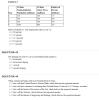 Exhibit 6-2 Civilian Noninstitutional Population (millions) 250 Year Civilian Labor Force (millions) 200 300 400 800 Employed Persons (millions) 175 200 400 500 1000 720 Refer to Exhibit 6-2. The employment rate in year 4 is a. 90 percent. b. 72 percent C. 12.5 percent. d. 10 percent. e. 7.2 percent. QUESTION 43 The demand for reserves curve in the federal funds market is a. horizontal b. downward sloping. C. vertical. d. upward sloping. QUESTION 44 When commercial banks need...
1. If persons not in the labor force total 4 million and persons in the civilian...
1. If persons not in the labor force total 4 million and persons in the civilian labor force total 60 million, then how many persons are unemployed? a.57 million b.64 million c.20 million d.There is not enough information to answer the question. ( for this question I pick b). 2. Exhibit 6-1 Year CPI 1 107.6 2 106.6 3 113.6 4 118.3 Refer to Exhibit 6-1. Prices changed by _________ percent between year 1 and year 2. a.1.0 b.-0.9 c.-2.1...
Year - Suppose the following data describe a nation's population Year 1 Year 2 Population Labor...
 Year -
Suppose the following data describe a nation's population Year 1 Year 2 Population Labor force Unemployment rate 300 million 140 million 6 percent 310 million 150 million 6 percent (a) How many people are unemployed in each year? (b) How many people are employed in each year? (c) Compute the employment rate(i.e, Number employed Population) in each year Year 1: Year 2: Year : Year 2: Year l: Year 2: Based on the data in the previous problem,...
Year -
Suppose the following data describe a nation's population Year 1 Year 2 Population Labor force Unemployment rate 300 million 140 million 6 percent 310 million 150 million 6 percent (a) How many people are unemployed in each year? (b) How many people are employed in each year? (c) Compute the employment rate(i.e, Number employed Population) in each year Year 1: Year 2: Year : Year 2: Year l: Year 2: Based on the data in the previous problem,...
Table 23.1: Real GDP, Population and the Civilian Labor Force Statistics Labor Force | Real GDP...
 Table 23.1: Real GDP, Population and the Civilian Labor Force Statistics Labor Force | Real GDP Population Participation Unemployment Year (in Billions $) (in Millions) Rates (%) Rates (%) 1,019.00 110.000 0.750 5.00% 1,020.00 111.000 0.756 6.00% 1,030.00 112.000 0.788 6.5096 1,035.00 113.000 0.769 7.0096 millions, and the percentage change in 26) In Year 4, according to Table 23.1, the total employed workers were_ per-capita income was -percent, respectively. A) 80.61; 3.50 B) 78.22; 0.33 C) 80.81; minus 0.40 D)...
Table 1.2 1 4 5 6 Average 2 3 Investment A 400 300 500 200 100...
 Table 1.2 1 4 5 6 Average 2 3 Investment A 400 300 500 200 100 - 300 After tax benefits Value of Investment Jan 1 Dec 31 Average 200 ---- 1000 800 900 800 600 700 600 400 500 400 2000 300 100 --- 500 1 4 5 6 Average 2 3 Investment B 200 300 100 400 500 600 350 After tax benefits Value of Investment Jan 1 Dec 31 1000 833 917 833 666 750 666 499...
Question 57 3.75 pts Exhibit 2-7 Production possibilities curve 400 A Cars 300 (millions per year)...
 Question 57 3.75 pts Exhibit 2-7 Production possibilities curve 400 A Cars 300 (millions per year) 200 e 100 0 100 200 300 400 Grain (millions of tons per year) For the economy shown in Exhibit 2-7, which of the following is true when the economy Is at point A? Increased grain production would be impossible More cars are being produced than are needed. There must be resources that are not being used fully Some car production must be forgone...
The market for airplane tickets $400 350 300 250 200 150 100 OL 0 25 50...
 The market for airplane tickets $400 350 300 250 200 150 100 OL 0 25 50 75 100 125 (a) (2 pts) Find marginal buyers WTP at Q = 25. In the market without tax, compute his or her CS? (b) (4 pts) Compute CS, PS, and total surplus without a tax. (c) (4 pts) If $100 tax per ticket, compute CS, PS, tax revenue, total surplus, and DWL. (d) (4 pts) For the market without tax and the market...
Exhibit 20-1 Working-Age Labor Employed Labor Average Annual Population Force Force Hours per Employee 195 million...
 Exhibit 20-1 Working-Age Labor Employed Labor Average Annual Population Force Force Hours per Employee 195 million 140 million 130 million 1,800 hours Reference: Ref 8-1 According to the data in Exhibit 20-1, if economic conditions change such that the unemployment rate declines to 4.5 percent, what is the new value of aggregate hours? o 211 billion hours per year 205 billion hours per year Aggregate hours will be unaffected. 241 billion hours per year 220 billion hours per year
Millions of $ 150 400 500 250 300 Questions 4-8 Zumba's National Accounts in 2019 Depreciation...
 Millions of $ 150 400 500 250 300 Questions 4-8 Zumba's National Accounts in 2019 Depreciation of capital assets Exports Undistributed corporate profits after taxes Government transfer payments to persons Personal income taxes Government expenditures Indirect taxes less subsidies Consumption expenditures Corporate taxes Gross investment Corporate dividends paid to shareholders Imports 900 250 1400 200 600 100 300 4. The net addition to the stock of capital was a) $150 b) $200 c) $450 d) $600 5. Gross Domestic Product...
 Question 19 4 pts Exhibit 6-2 Civilian Civilian Employed Noninstitutional Year Labor Force Persons Population (millions) (millions) (millions) 250 200 175 400 2 300 200 400 3 500 350 720 4 1000 800 Refer to Exhibit 6-2. The unemployment rate in year 3 is O 33 1/3 percent. O 121/2 percent. 50 percent. O 25 percent. O 66 2/3 percent.
 Exhibit 6-2 Civilian Noninstitutional Population (millions) 250 Year Civilian Labor Force (millions) 200 300 400 800 Employed Persons (millions) 175 200 400 500 1000 720 Refer to Exhibit 6-2. The employment rate in year 4 is a. 90 percent. b. 72 percent C. 12.5 percent. d. 10 percent. e. 7.2 percent. QUESTION 43 The demand for reserves curve in the federal funds market is a. horizontal b. downward sloping. C. vertical. d. upward sloping. QUESTION 44 When commercial banks need...
 Year -
Suppose the following data describe a nation's population Year 1 Year 2 Population Labor force Unemployment rate 300 million 140 million 6 percent 310 million 150 million 6 percent (a) How many people are unemployed in each year? (b) How many people are employed in each year? (c) Compute the employment rate(i.e, Number employed Population) in each year Year 1: Year 2: Year : Year 2: Year l: Year 2: Based on the data in the previous problem,...
Year -
Suppose the following data describe a nation's population Year 1 Year 2 Population Labor force Unemployment rate 300 million 140 million 6 percent 310 million 150 million 6 percent (a) How many people are unemployed in each year? (b) How many people are employed in each year? (c) Compute the employment rate(i.e, Number employed Population) in each year Year 1: Year 2: Year : Year 2: Year l: Year 2: Based on the data in the previous problem,...
 Table 23.1: Real GDP, Population and the Civilian Labor Force Statistics Labor Force | Real GDP Population Participation Unemployment Year (in Billions $) (in Millions) Rates (%) Rates (%) 1,019.00 110.000 0.750 5.00% 1,020.00 111.000 0.756 6.00% 1,030.00 112.000 0.788 6.5096 1,035.00 113.000 0.769 7.0096 millions, and the percentage change in 26) In Year 4, according to Table 23.1, the total employed workers were_ per-capita income was -percent, respectively. A) 80.61; 3.50 B) 78.22; 0.33 C) 80.81; minus 0.40 D)...
 Table 1.2 1 4 5 6 Average 2 3 Investment A 400 300 500 200 100 - 300 After tax benefits Value of Investment Jan 1 Dec 31 Average 200 ---- 1000 800 900 800 600 700 600 400 500 400 2000 300 100 --- 500 1 4 5 6 Average 2 3 Investment B 200 300 100 400 500 600 350 After tax benefits Value of Investment Jan 1 Dec 31 1000 833 917 833 666 750 666 499...
 Question 57 3.75 pts Exhibit 2-7 Production possibilities curve 400 A Cars 300 (millions per year) 200 e 100 0 100 200 300 400 Grain (millions of tons per year) For the economy shown in Exhibit 2-7, which of the following is true when the economy Is at point A? Increased grain production would be impossible More cars are being produced than are needed. There must be resources that are not being used fully Some car production must be forgone...
 The market for airplane tickets $400 350 300 250 200 150 100 OL 0 25 50 75 100 125 (a) (2 pts) Find marginal buyers WTP at Q = 25. In the market without tax, compute his or her CS? (b) (4 pts) Compute CS, PS, and total surplus without a tax. (c) (4 pts) If $100 tax per ticket, compute CS, PS, tax revenue, total surplus, and DWL. (d) (4 pts) For the market without tax and the market...
 Exhibit 20-1 Working-Age Labor Employed Labor Average Annual Population Force Force Hours per Employee 195 million 140 million 130 million 1,800 hours Reference: Ref 8-1 According to the data in Exhibit 20-1, if economic conditions change such that the unemployment rate declines to 4.5 percent, what is the new value of aggregate hours? o 211 billion hours per year 205 billion hours per year Aggregate hours will be unaffected. 241 billion hours per year 220 billion hours per year
 Millions of $ 150 400 500 250 300 Questions 4-8 Zumba's National Accounts in 2019 Depreciation of capital assets Exports Undistributed corporate profits after taxes Government transfer payments to persons Personal income taxes Government expenditures Indirect taxes less subsidies Consumption expenditures Corporate taxes Gross investment Corporate dividends paid to shareholders Imports 900 250 1400 200 600 100 300 4. The net addition to the stock of capital was a) $150 b) $200 c) $450 d) $600 5. Gross Domestic Product...
Most questions answered within 3 hours.
-
Where is the error in this code sequence?
String s1 = "Hello";
String s2 = "ello";...
asked 11 months ago -
Financial data for Joel de Paris, Inc., for last year
follow:
Joel de Paris, Inc.
Balance...
asked 11 months ago -
Consider this reaction:
Al2(SO4)3 (aq)+ BaCl3
(aq) Al2Cl6 (aq)- +
3BaSO4(s) . What is the...
asked 11 months ago -
Suppose that Savneet is considering increasing her
recent random sample from 20 car rentals to 40...
asked 11 months ago -
Trucks arrive at an unloading terminal at an average rate of 120
per hour.
Trucks arrive...
asked 11 months ago -
Why are methanol and ethanol completely soluble in water while
octanol is not very little soluble....
asked 11 months ago -
A facilities manager at a university reads in a research report
that the mean amount of...
asked 11 months ago -
When the CuSO4 is rehydrated by adding water to the anhydrous
compound, is this an endothermic...
asked 11 months ago -
A ray of sunlight is passing from diamond into crown glass; the
angle of incidence is...
asked 11 months ago -
A block of mass 0.249 kg is placed on top of a light, vertical
spring of...
asked 11 months ago -
how do the kidneys compensate in the presences of acidosis
a) trigger hyperventilate
b) reserve acid...
asked 11 months ago -
Question 501 pts
The rental rate of capital to the firm increases. Which of the
following...
asked 11 months ago