


Homework Answers
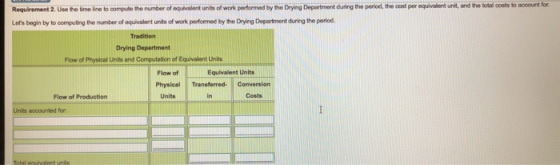
| Units accounted for | Equivalent Units | ||||||
| Transferred In | Conversion | Total | |||||
| Units completed and transferred out | 16000 | 16000 | 16000 | 32000 | |||
| Ending Work in Process | 19000 | 19000 | 3800 | 22800 | |||
| Total units accounted for | 35000 | ||||||
| Total equivalent units | 35000 | 19800 | |||||
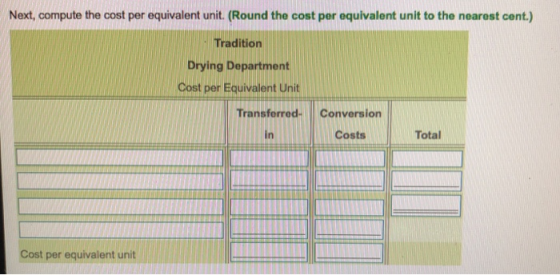
| Cost per Equivalent Units | ||||
| Transferred In | Conversion | |||
| Beginning Work in Process | $ 140.00 | $ 231.00 | ||
| During the period cost | $ 4,760.00 | $ 1,947.00 | ||
| Total Costs | $ 4,900.00 | $ 2,178.00 | ||
| Equivalent Units | 35000 | 19800 | ||
| Cost per equivalent units | $ 0.14 | $ 0.11 | ||
| Cost assignment | ||||||
| Transferred In | Conversion | |||||
| a) | Units completed | 16000 x ($ 0.14 + $ 0.11) | $ 4,000.00 | |||
| b) | Cost of ending WIP | |||||
| Transferred in | 19000 x $ 0.14 | $ 2,660.00 | ||||
| Conversion | 3800 x $ 0.11 | $ 418.00 | ||||
| Total Costs of ending WIP | $ 3,078.00 | |||||
| Total costs accounted for | $ 7,078.00 | |||||
Is this okay?
Add Answer to:
Need all of requirements 1,2,3 please. thanks.
Tradition uses three departments to produce plastic handles for...
requirement 1 pls Tradition uses three departments to produce plastic handles for ser v ers Mixing,...
 requirement 1 pls
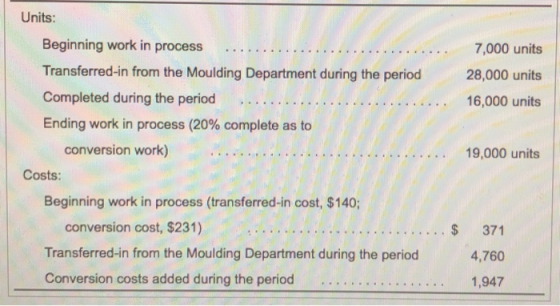
Tradition uses three departments to produce plastic handles for ser v ers Mixing, Moulding, and Drying The Assembly Department attaches the screwdriver shanks to the handles Tradition's Drying Department requires no direct materials. Conversion costs are incurred overly throughout the drying process. Other process costing information follows: (Click the loon to view the Information) After the drying process, the screwdrivers are completed by assembling the handles and sharks and packaging for shipment to retail outlets Requirements Requirement...
requirement 1 pls
Tradition uses three departments to produce plastic handles for ser v ers Mixing, Moulding, and Drying The Assembly Department attaches the screwdriver shanks to the handles Tradition's Drying Department requires no direct materials. Conversion costs are incurred overly throughout the drying process. Other process costing information follows: (Click the loon to view the Information) After the drying process, the screwdrivers are completed by assembling the handles and sharks and packaging for shipment to retail outlets Requirements Requirement...
Wilkman uses three departments to produce plastic handles for screwdrivers: Mixing, Moulding, and Drying. The Assembly...
 Wilkman uses three departments to produce plastic handles for screwdrivers: Mixing, Moulding, and Drying. The Assembly Department attaches the screwdriver shanks to the handles. Wilkman's Drying Department requires no direct materials. Conversion costs are incurred evenly throughout the drying process. Other process costing information follows: 3: (Click the icon to view the information.) After the drying process, the screwdrivers are completed by assembling the handles and shanks and packaging for shipment to retail outlets. Requirements i Data Table Start Complete...
Scribners Corporation produces fine papers in three production departments—Pulping, Drying, and Finishing. In the Pulping Department,...
Scribners Corporation produces fine papers in three production departments—Pulping, Drying, and Finishing. In the Pulping Department, raw materials such as wood fiber and rag cotton are mechanically and chemically treated to separate their fibers. The result is a thick slurry of fibers. In the Drying Department, the wet fibers transferred from the Pulping Department are laid down on porous webs, pressed to remove excess liquid, and dried in ovens. In the Finishing Department, the dried paper is coated, cut, and...
Please answer all parts. Thanks! Scribners Corporation produces fine papers in three production departments-Pulping, Drying, and...
 Please answer all parts.
Thanks!
Scribners Corporation produces fine papers in three production departments-Pulping, Drying, and Finishing. In the Pulping Department, raw materials such as wood fiber and rag cotton are mechanically and chemically treated to separate their fibers. The result is a thick slurry of fibers. In the Drying Department, the wet fibers transferred from the Pulping Department are laid down on porous webs, pressed to remove excess liquid, and dried in ovens. In the Finishing Department, the dried...
Please answer all parts.
Thanks!
Scribners Corporation produces fine papers in three production departments-Pulping, Drying, and Finishing. In the Pulping Department, raw materials such as wood fiber and rag cotton are mechanically and chemically treated to separate their fibers. The result is a thick slurry of fibers. In the Drying Department, the wet fibers transferred from the Pulping Department are laid down on porous webs, pressed to remove excess liquid, and dried in ovens. In the Finishing Department, the dried...
Scribners Corporation produces fine papers in three production departments -Pulping, Drying, and Finishing. In the Pulping...
 Scribners Corporation produces fine papers in three production departments -Pulping, Drying, and Finishing. In the Pulping Department, raw materials such as wood fiber and rag cotton are mechanically and chemically treated to separate their fibers. The result is a thick slurry of fibers. In the Drying Department, the wet fibers transferred from the Pulping Department are laid down on porous webs, pressed to remove excess liquid, and dried in ovens. In the Finishing Department, the dried paper is coated, cut,...
Check my worlu Scribners Corporation produces fine papers in three production departments-Pulping. Drying, and Finishing. In...
 Check my worlu Scribners Corporation produces fine papers in three production departments-Pulping. Drying, and Finishing. In the Pulping Department, raw materials such as wood fiber and rag cotton are mechanically and chemically treated to separate their fibers. The result is a thick slurry of fibers. In the Drying Department, the wet fibers transferred from the Pulping Department are laid down on porous webs, pressed to remove excess liquid, and dried in ovens. In the Finishing Department, the dried paper is...
Scribners Corporation produces fine papers in three production departments-Pulping. Drying, and Finishing. In the Pulping Department,...
 Scribners Corporation produces fine papers in three production departments-Pulping. Drying, and Finishing. In the Pulping Department, raw materials such as wood fiber and rag cotton are mechanically and chemically treated to separate their fibers. The result is a thick slurry of fibers. In the Drying Department, the wet fibers transferred from the Pulping Department are laid down on porous webs, pressed to remove excess liquid, and dried in ovens. In the Finishing Department, the dried paper is coated, cut, and...
Scribners Corporation produces fine papers in three production departments-Pulping, Drying, and Finishing. In the Pulping Department,...
 Scribners Corporation produces fine papers in three production departments-Pulping, Drying, and Finishing. In the Pulping Department, raw materials such as wood fiber and rag cotton are mechanically and chemically treated to separate their fibers. The result is a thick slurry of fibers. In the Drying Department, the wet fibers transferred from the Pulping Department are laid down on porous webs, pressed to remove excess liquid, and dried in ovens. In the Finishing Department, the dried paper is coated, cut, and...
Scribners Corporation produces fine papers in three production departments - Pulping, Drying and Finishing. In the...
 Scribners Corporation produces fine papers in three production departments - Pulping, Drying and Finishing. In the Pulping Department, raw materials such as wood fiber and rag cotton are mechanically and chemically treated to separate their fibers. The result is a thick slurry of fibers. In the Drying Department, the wet fibers transferred from the Pulping Department are laid down on porous webs pressed to remove excess liquid, and dried in ovens. In the Finishing Department, the dried paper is coated,...
!!!!!!!!!!!!!!! PLEASE ANSWER ALL PARTS!!!!!!!!!!!!!!!! Scribners Corporation produces fine papers in three production departments-Pulping, Drying, and...
 !!!!!!!!!!!!!!! PLEASE ANSWER ALL PARTS!!!!!!!!!!!!!!!!
Scribners Corporation produces fine papers in three production departments-Pulping, Drying, and Finishing. In the Pulping Department, raw materials such as wood fiber and rag cotton are mechanically and chemically treated to separate their fibers. The result is a thick slurry of fibers. In the Drying Department, the wet fibers transferred from the Pulping Department are laid down on porous webs, pressed to remove excess liquid, and dried in ovens. In the Finishing Department, the dried...
!!!!!!!!!!!!!!! PLEASE ANSWER ALL PARTS!!!!!!!!!!!!!!!!
Scribners Corporation produces fine papers in three production departments-Pulping, Drying, and Finishing. In the Pulping Department, raw materials such as wood fiber and rag cotton are mechanically and chemically treated to separate their fibers. The result is a thick slurry of fibers. In the Drying Department, the wet fibers transferred from the Pulping Department are laid down on porous webs, pressed to remove excess liquid, and dried in ovens. In the Finishing Department, the dried...
 requirement 1 pls
Tradition uses three departments to produce plastic handles for ser v ers Mixing, Moulding, and Drying The Assembly Department attaches the screwdriver shanks to the handles Tradition's Drying Department requires no direct materials. Conversion costs are incurred overly throughout the drying process. Other process costing information follows: (Click the loon to view the Information) After the drying process, the screwdrivers are completed by assembling the handles and sharks and packaging for shipment to retail outlets Requirements Requirement...
requirement 1 pls
Tradition uses three departments to produce plastic handles for ser v ers Mixing, Moulding, and Drying The Assembly Department attaches the screwdriver shanks to the handles Tradition's Drying Department requires no direct materials. Conversion costs are incurred overly throughout the drying process. Other process costing information follows: (Click the loon to view the Information) After the drying process, the screwdrivers are completed by assembling the handles and sharks and packaging for shipment to retail outlets Requirements Requirement...
 Wilkman uses three departments to produce plastic handles for screwdrivers: Mixing, Moulding, and Drying. The Assembly Department attaches the screwdriver shanks to the handles. Wilkman's Drying Department requires no direct materials. Conversion costs are incurred evenly throughout the drying process. Other process costing information follows: 3: (Click the icon to view the information.) After the drying process, the screwdrivers are completed by assembling the handles and shanks and packaging for shipment to retail outlets. Requirements i Data Table Start Complete...
 Please answer all parts.
Thanks!
Scribners Corporation produces fine papers in three production departments-Pulping, Drying, and Finishing. In the Pulping Department, raw materials such as wood fiber and rag cotton are mechanically and chemically treated to separate their fibers. The result is a thick slurry of fibers. In the Drying Department, the wet fibers transferred from the Pulping Department are laid down on porous webs, pressed to remove excess liquid, and dried in ovens. In the Finishing Department, the dried...
Please answer all parts.
Thanks!
Scribners Corporation produces fine papers in three production departments-Pulping, Drying, and Finishing. In the Pulping Department, raw materials such as wood fiber and rag cotton are mechanically and chemically treated to separate their fibers. The result is a thick slurry of fibers. In the Drying Department, the wet fibers transferred from the Pulping Department are laid down on porous webs, pressed to remove excess liquid, and dried in ovens. In the Finishing Department, the dried...
 Scribners Corporation produces fine papers in three production departments -Pulping, Drying, and Finishing. In the Pulping Department, raw materials such as wood fiber and rag cotton are mechanically and chemically treated to separate their fibers. The result is a thick slurry of fibers. In the Drying Department, the wet fibers transferred from the Pulping Department are laid down on porous webs, pressed to remove excess liquid, and dried in ovens. In the Finishing Department, the dried paper is coated, cut,...
 Check my worlu Scribners Corporation produces fine papers in three production departments-Pulping. Drying, and Finishing. In the Pulping Department, raw materials such as wood fiber and rag cotton are mechanically and chemically treated to separate their fibers. The result is a thick slurry of fibers. In the Drying Department, the wet fibers transferred from the Pulping Department are laid down on porous webs, pressed to remove excess liquid, and dried in ovens. In the Finishing Department, the dried paper is...
 Scribners Corporation produces fine papers in three production departments-Pulping. Drying, and Finishing. In the Pulping Department, raw materials such as wood fiber and rag cotton are mechanically and chemically treated to separate their fibers. The result is a thick slurry of fibers. In the Drying Department, the wet fibers transferred from the Pulping Department are laid down on porous webs, pressed to remove excess liquid, and dried in ovens. In the Finishing Department, the dried paper is coated, cut, and...
 Scribners Corporation produces fine papers in three production departments-Pulping, Drying, and Finishing. In the Pulping Department, raw materials such as wood fiber and rag cotton are mechanically and chemically treated to separate their fibers. The result is a thick slurry of fibers. In the Drying Department, the wet fibers transferred from the Pulping Department are laid down on porous webs, pressed to remove excess liquid, and dried in ovens. In the Finishing Department, the dried paper is coated, cut, and...
 Scribners Corporation produces fine papers in three production departments - Pulping, Drying and Finishing. In the Pulping Department, raw materials such as wood fiber and rag cotton are mechanically and chemically treated to separate their fibers. The result is a thick slurry of fibers. In the Drying Department, the wet fibers transferred from the Pulping Department are laid down on porous webs pressed to remove excess liquid, and dried in ovens. In the Finishing Department, the dried paper is coated,...
 !!!!!!!!!!!!!!! PLEASE ANSWER ALL PARTS!!!!!!!!!!!!!!!!
Scribners Corporation produces fine papers in three production departments-Pulping, Drying, and Finishing. In the Pulping Department, raw materials such as wood fiber and rag cotton are mechanically and chemically treated to separate their fibers. The result is a thick slurry of fibers. In the Drying Department, the wet fibers transferred from the Pulping Department are laid down on porous webs, pressed to remove excess liquid, and dried in ovens. In the Finishing Department, the dried...
!!!!!!!!!!!!!!! PLEASE ANSWER ALL PARTS!!!!!!!!!!!!!!!!
Scribners Corporation produces fine papers in three production departments-Pulping, Drying, and Finishing. In the Pulping Department, raw materials such as wood fiber and rag cotton are mechanically and chemically treated to separate their fibers. The result is a thick slurry of fibers. In the Drying Department, the wet fibers transferred from the Pulping Department are laid down on porous webs, pressed to remove excess liquid, and dried in ovens. In the Finishing Department, the dried...
Most questions answered within 3 hours.
-
Where is the error in this code sequence?
String s1 = "Hello";
String s2 = "ello";...
asked 11 months ago -
Financial data for Joel de Paris, Inc., for last year
follow:
Joel de Paris, Inc.
Balance...
asked 11 months ago -
Consider this reaction:
Al2(SO4)3 (aq)+ BaCl3
(aq) Al2Cl6 (aq)- +
3BaSO4(s) . What is the...
asked 11 months ago -
Suppose that Savneet is considering increasing her
recent random sample from 20 car rentals to 40...
asked 11 months ago -
Trucks arrive at an unloading terminal at an average rate of 120
per hour.
Trucks arrive...
asked 11 months ago -
Why are methanol and ethanol completely soluble in water while
octanol is not very little soluble....
asked 11 months ago -
A facilities manager at a university reads in a research report
that the mean amount of...
asked 11 months ago -
When the CuSO4 is rehydrated by adding water to the anhydrous
compound, is this an endothermic...
asked 11 months ago -
A ray of sunlight is passing from diamond into crown glass; the
angle of incidence is...
asked 11 months ago -
A block of mass 0.249 kg is placed on top of a light, vertical
spring of...
asked 11 months ago -
how do the kidneys compensate in the presences of acidosis
a) trigger hyperventilate
b) reserve acid...
asked 11 months ago -
Question 501 pts
The rental rate of capital to the firm increases. Which of the
following...
asked 11 months ago