
Homework Answers
Add Answer to:
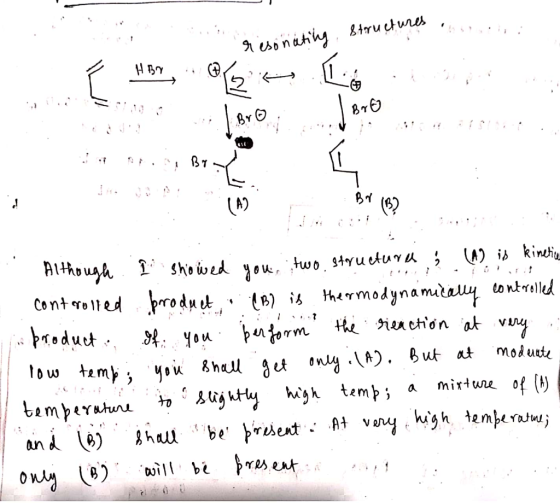
Ignoring the steris chemistry, give a structure of two productes formed from lil reaction of HBM...
Organic Chemistry 1: Complete the major product formed from the following reaction (show working)
 Organic Chemistry 1: Complete the major product formed from the
following reaction (show working)
Organic Chemistry 1: Complete the major product formed from the
following reaction (show working)
What exactly goes in the boxes? Please help organic chemistry! a.) (3pts) Give the structure of...
 What exactly goes in the boxes? Please help organic
chemistry!
a.) (3pts) Give the structure of the expected mononydroboration intermediate, the product of its oxidation, and tautomerization product for the following reaction. (Ignore the fate of the two "R" groups on B.) b.) (3pts. Provide a mechanistic justification (.e. sketch the transition state) for the observed selectivity in the monohydroboration step. c.) (3pts) Snow the mechanism for the oxidation step that ge the initial product and the final product, HT...
What exactly goes in the boxes? Please help organic
chemistry!
a.) (3pts) Give the structure of the expected mononydroboration intermediate, the product of its oxidation, and tautomerization product for the following reaction. (Ignore the fate of the two "R" groups on B.) b.) (3pts. Provide a mechanistic justification (.e. sketch the transition state) for the observed selectivity in the monohydroboration step. c.) (3pts) Snow the mechanism for the oxidation step that ge the initial product and the final product, HT...
Draw the structure of the organic product formed from the reaction of sodium methoxide with 1-chloro-4-nitrobenzene....
 Draw the structure of the organic product formed from the reaction of sodium methoxide with 1-chloro-4-nitrobenzene. Be sure to show formal charges.
a) Consider sider this two-step reaction. Draw the structure for the transition state in each step...
 a) Consider sider this two-step reaction. Draw the structure for the transition state in each step of the mechanism. arly show any partially broken or partially formed bonds. Include only the hydrogens shown. (0.6 pts) Step 1 Step 2 (b) How many partially formed or partially broken bonds are found in the transition state structure for step 1? # of partially formed bonds (step 1) = ; # of partially broken bonds (step 1) = Will AH® for this reaction...
2. Draw the structure of the major organic product that is formed from the following reaction....
 2. Draw the structure of the major organic product that is formed from the following reaction. Draw this structure in the box at the bottom of the next page. Then use letters to label all the sets of chemically equivalent carbons in this structure. The broadband proton-decoupled 13C NMR spectrum of the product is shown below. DEPT 90 and DEPT 135 data are included in the table on the following page. Use this spectroscopic data to make clear assignments of...
Organic chemistry -Carboxylic acid homework Question: In the general chemistry lab, students synthesize aspirin from salicylic...
 Organic chemistry -Carboxylic acid homework
Question: In the general chemistry lab, students synthesize
aspirin from salicylic acid and acetic anhydride. In the lab,
students use sulfuric acid as a catalyst, but I want to consider an
alternate method for synthesizing aspirin using sodium acetate as a
catalyst:
a. Draw the structure of sodium acetate. Is sodium acetate a
stronger or weaker base than sodium hydroxide (NaOH). Explain. (1.5
pts)
b. Consider the structure of salicylic acid. It contains two
potentially...
Organic chemistry -Carboxylic acid homework
Question: In the general chemistry lab, students synthesize
aspirin from salicylic acid and acetic anhydride. In the lab,
students use sulfuric acid as a catalyst, but I want to consider an
alternate method for synthesizing aspirin using sodium acetate as a
catalyst:
a. Draw the structure of sodium acetate. Is sodium acetate a
stronger or weaker base than sodium hydroxide (NaOH). Explain. (1.5
pts)
b. Consider the structure of salicylic acid. It contains two
potentially...
The following model represents the carbocation intermediate formed in the addition reaction of HBr to two...
 The following model represents the carbocation intermediate formed in the addition reaction of HBr to two different alkenes. Draw structures for both alkenes. wireframe M - + labels • You do not have to consider stereochemistry. • Draw one structure per sketcher. Add additional sketchers using the drop-down menu in the bottom right corner. • Separate structures with + signs from the drop-down menu.
1. Give the structures of the two major products in the following reaction. 2. Draw the...
 1. Give the structures of the two major products in the
following reaction.
2. Draw the major organic product of the following
Friedel–Crafts alkylation. (An excess of benzene is present.)
3. Draw the structure of the major nitration product from the
reaction of nitric acid with 1,3-dimethylbenzene. Show all formal
charges.
1. Give the structures of the two major products in the
following reaction.
2. Draw the major organic product of the following
Friedel–Crafts alkylation. (An excess of benzene is present.)
3. Draw the structure of the major nitration product from the
reaction of nitric acid with 1,3-dimethylbenzene. Show all formal
charges.
2. Draw a structure with the molecular formula C7H10 that has exactly two rings. 4. Give...
 2. Draw a structure with the molecular formula C7H10 that has
exactly two rings.
4. Give IUPAC names for the following structures
(a,b,c,d)
CHEM1014 Homework for Chapter 11 Due Friday, March 20, beginning of class There is not enough room to write the answers on this sheet. Use other sheets of paper for your answers. 1. Draw a structure with the molecular formula C,H, that has exactly one ring. Show all atoms and all bonds 2. Draw a structure with...
2. Draw a structure with the molecular formula C7H10 that has
exactly two rings.
4. Give IUPAC names for the following structures
(a,b,c,d)
CHEM1014 Homework for Chapter 11 Due Friday, March 20, beginning of class There is not enough room to write the answers on this sheet. Use other sheets of paper for your answers. 1. Draw a structure with the molecular formula C,H, that has exactly one ring. Show all atoms and all bonds 2. Draw a structure with...
6. (4 pts.) Draw the two resonance structures of the enolate formed from the following reaction: 7. (4 pts) Draw th...
 6. (4 pts.) Draw the two resonance structures of the enolate formed from the following reaction: 7. (4 pts) Draw the structure of an alkyl bromide (R-Br) and an alkoxide (R-O) that would provide the most efficient synthesis of the following ether by the Williamson ether synthesis. Target ether 8. (5 pts.) Draw a mechanism for the following E2 reaction. Draw the major product. Be sure to include any necessary H's in your structure as you draw the mechanism. OH...
 Organic Chemistry 1: Complete the major product formed from the
following reaction (show working)
Organic Chemistry 1: Complete the major product formed from the
following reaction (show working)
 What exactly goes in the boxes? Please help organic
chemistry!
a.) (3pts) Give the structure of the expected mononydroboration intermediate, the product of its oxidation, and tautomerization product for the following reaction. (Ignore the fate of the two "R" groups on B.) b.) (3pts. Provide a mechanistic justification (.e. sketch the transition state) for the observed selectivity in the monohydroboration step. c.) (3pts) Snow the mechanism for the oxidation step that ge the initial product and the final product, HT...
What exactly goes in the boxes? Please help organic
chemistry!
a.) (3pts) Give the structure of the expected mononydroboration intermediate, the product of its oxidation, and tautomerization product for the following reaction. (Ignore the fate of the two "R" groups on B.) b.) (3pts. Provide a mechanistic justification (.e. sketch the transition state) for the observed selectivity in the monohydroboration step. c.) (3pts) Snow the mechanism for the oxidation step that ge the initial product and the final product, HT...
 Draw the structure of the organic product formed from the reaction of sodium methoxide with 1-chloro-4-nitrobenzene. Be sure to show formal charges.
 a) Consider sider this two-step reaction. Draw the structure for the transition state in each step of the mechanism. arly show any partially broken or partially formed bonds. Include only the hydrogens shown. (0.6 pts) Step 1 Step 2 (b) How many partially formed or partially broken bonds are found in the transition state structure for step 1? # of partially formed bonds (step 1) = ; # of partially broken bonds (step 1) = Will AH® for this reaction...
 2. Draw the structure of the major organic product that is formed from the following reaction. Draw this structure in the box at the bottom of the next page. Then use letters to label all the sets of chemically equivalent carbons in this structure. The broadband proton-decoupled 13C NMR spectrum of the product is shown below. DEPT 90 and DEPT 135 data are included in the table on the following page. Use this spectroscopic data to make clear assignments of...
 Organic chemistry -Carboxylic acid homework
Question: In the general chemistry lab, students synthesize
aspirin from salicylic acid and acetic anhydride. In the lab,
students use sulfuric acid as a catalyst, but I want to consider an
alternate method for synthesizing aspirin using sodium acetate as a
catalyst:
a. Draw the structure of sodium acetate. Is sodium acetate a
stronger or weaker base than sodium hydroxide (NaOH). Explain. (1.5
pts)
b. Consider the structure of salicylic acid. It contains two
potentially...
Organic chemistry -Carboxylic acid homework
Question: In the general chemistry lab, students synthesize
aspirin from salicylic acid and acetic anhydride. In the lab,
students use sulfuric acid as a catalyst, but I want to consider an
alternate method for synthesizing aspirin using sodium acetate as a
catalyst:
a. Draw the structure of sodium acetate. Is sodium acetate a
stronger or weaker base than sodium hydroxide (NaOH). Explain. (1.5
pts)
b. Consider the structure of salicylic acid. It contains two
potentially...
 The following model represents the carbocation intermediate formed in the addition reaction of HBr to two different alkenes. Draw structures for both alkenes. wireframe M - + labels • You do not have to consider stereochemistry. • Draw one structure per sketcher. Add additional sketchers using the drop-down menu in the bottom right corner. • Separate structures with + signs from the drop-down menu.
 1. Give the structures of the two major products in the
following reaction.
2. Draw the major organic product of the following
Friedel–Crafts alkylation. (An excess of benzene is present.)
3. Draw the structure of the major nitration product from the
reaction of nitric acid with 1,3-dimethylbenzene. Show all formal
charges.
1. Give the structures of the two major products in the
following reaction.
2. Draw the major organic product of the following
Friedel–Crafts alkylation. (An excess of benzene is present.)
3. Draw the structure of the major nitration product from the
reaction of nitric acid with 1,3-dimethylbenzene. Show all formal
charges.
 2. Draw a structure with the molecular formula C7H10 that has
exactly two rings.
4. Give IUPAC names for the following structures
(a,b,c,d)
CHEM1014 Homework for Chapter 11 Due Friday, March 20, beginning of class There is not enough room to write the answers on this sheet. Use other sheets of paper for your answers. 1. Draw a structure with the molecular formula C,H, that has exactly one ring. Show all atoms and all bonds 2. Draw a structure with...
2. Draw a structure with the molecular formula C7H10 that has
exactly two rings.
4. Give IUPAC names for the following structures
(a,b,c,d)
CHEM1014 Homework for Chapter 11 Due Friday, March 20, beginning of class There is not enough room to write the answers on this sheet. Use other sheets of paper for your answers. 1. Draw a structure with the molecular formula C,H, that has exactly one ring. Show all atoms and all bonds 2. Draw a structure with...
 6. (4 pts.) Draw the two resonance structures of the enolate formed from the following reaction: 7. (4 pts) Draw the structure of an alkyl bromide (R-Br) and an alkoxide (R-O) that would provide the most efficient synthesis of the following ether by the Williamson ether synthesis. Target ether 8. (5 pts.) Draw a mechanism for the following E2 reaction. Draw the major product. Be sure to include any necessary H's in your structure as you draw the mechanism. OH...
Most questions answered within 3 hours.
-
Where is the error in this code sequence?
String s1 = "Hello";
String s2 = "ello";...
asked 10 months ago -
Financial data for Joel de Paris, Inc., for last year
follow:
Joel de Paris, Inc.
Balance...
asked 10 months ago -
Consider this reaction:
Al2(SO4)3 (aq)+ BaCl3
(aq) Al2Cl6 (aq)- +
3BaSO4(s) . What is the...
asked 10 months ago -
Suppose that Savneet is considering increasing her
recent random sample from 20 car rentals to 40...
asked 10 months ago -
Trucks arrive at an unloading terminal at an average rate of 120
per hour.
Trucks arrive...
asked 10 months ago -
Why are methanol and ethanol completely soluble in water while
octanol is not very little soluble....
asked 10 months ago -
A facilities manager at a university reads in a research report
that the mean amount of...
asked 10 months ago -
When the CuSO4 is rehydrated by adding water to the anhydrous
compound, is this an endothermic...
asked 10 months ago -
A ray of sunlight is passing from diamond into crown glass; the
angle of incidence is...
asked 10 months ago -
A block of mass 0.249 kg is placed on top of a light, vertical
spring of...
asked 10 months ago -
how do the kidneys compensate in the presences of acidosis
a) trigger hyperventilate
b) reserve acid...
asked 10 months ago -
Question 501 pts
The rental rate of capital to the firm increases. Which of the
following...
asked 10 months ago