Shown below is the reaction of an alkene with an electrophile
Shown below is the reaction of an alkene with an electrophile

For the mechanism step below, draw curved arrows to show electron reorganization. Use the arrow tool to specify the origin and the destination of the reorganizing electrons.
Consult the arrow-pushing instructions for the convention on regiospecific electrophilic attack on a double bond.
Homework Answers

The electrophilic addition reaction shown below involves a carbocation rearrangement.
 The electrophilic addition reaction shown below involves a
carbocation rearrangement. For the mechanism step below, draw
curved arrows to show electron reorganization. use the arrow tool
to specify the origin and the destination of the reorganizing
electrons.Consult the arrow-pushing instructions for the convention on regiospecific electrophilic attack on a double bond
The electrophilic addition reaction shown below involves a
carbocation rearrangement. For the mechanism step below, draw
curved arrows to show electron reorganization. use the arrow tool
to specify the origin and the destination of the reorganizing
electrons.Consult the arrow-pushing instructions for the convention on regiospecific electrophilic attack on a double bond
Shown below is the reaction of an alkene with an electrophile. Pelernces HBr For the mechanism strp below, drw curv...
 Shown below is the reaction of an alkene with an electrophile. Pelernces HBr For the mechanism strp below, drw curved awS to show electron reorgnization Use te amow tool o specily the origin and de detition of the reorgnizing eleco Consult the arrow-pushing instructions for the convention on regiospecific electrophilic attack on a double bond Arrow-pushing Instructions H H H-A- -pt pt 1 pt Submi Anwer Try Another Version T em attemps ning Sn nt acer & 96 $ #...
Write a mechanism for the reaction using curved arrows to show electron reorganization.
 Write a mechanism for the reaction using curved arrows to show electron reorganization. Write a mechanism for the reaction using curved arrows to show electron reorganization. Consult the arrow-pushing instructions for the convention on regiospecific electrophilic attack on a double bond.
Write a mechanism for the reaction using curved arrows to show electron reorganization.
 Write a mechanism for the reaction using curved arrows to show electron reorganization. Consult the arrow-pushing instructions for the convention on regiospecific electrophilic attack on a double bond.
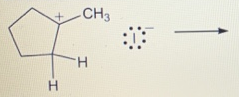
Devise a detailed mechanism for formation of the major product of the elimination reaction below.
 Devise a detailed mechanism for formation of the major product of the elimination reaction below. Draw curved arrows to show electron reorganization for the mechanism step below. Make the ends of your arrows specify the origin and destination of reorganizing electrons. Devise a detailed mechanism for formation of the major product of the elimination reaction below. Draw curved arrows to show electron reorganization for the mechanism step below. Make the ends of your arrows specify the origin and destination of reorganizing electrons. Devise a...
b Write a mechanism for the reaction using curved arrows to show electron reorganization. Consult the arrow-pushing ins...
 b Write a mechanism for the reaction using curved arrows to show electron reorganization. Consult the arrow-pushing instructions for the convention on regiospecific electrophilic attack on a double bond. Arrow-pushing Instructions inox tv no H- B Draw the organic product of the following reaction. CH3 meta-Chloroperoxy- benzoic acid • You do not have to consider stereochemistry. • Indicate regiochemistry when relevant. • The aromatic ring, when present, is unreactive in all cases. • Do not draw organic or inorganic by-products....
Devise a detailed mechanism for formation of the major product of the elimination reaction below.
 Devise a detailed mechanism for formation of the major product of the elimination reaction below. Draw curved arrows to show electron reorganization for the mechanism step below. Make the ends of your arrows specify the origin and destination of reorganizing electrons.
Draw curved arrows to show electron reorganization for the mechanism step below. Make the ends of...
 Draw curved arrows to show electron reorganization for the mechanism step below. Make the ends of your arrows specify the origin and destination of reorganizing electrons.
+ H+ Electrophilic aromatic substitution is a two-step process. In the first step an electrophile, here...
 + H+ Electrophilic aromatic substitution is a two-step process. In the first step an electrophile, here generically shown as Y , reacts with the aromatic ring to form a resonance-stabilized carbocation intermediate. In the second step, loss of a proton from the site of attack restores aromaticity to the ring and completes the reaction. Draw curved arrows to show the movement of electrons in this step of the mechanism. Arrow-pushing Instructions no XT + H H- A
This question has multiple parts. Work all the parts to get the most points. Draw the...
 This question has multiple parts. Work all the parts to get the most points. Draw the complete mechanism for the radical reaction shown. CH4 + light Cl2 CH3CI a Use curved arrows to show the mechanism of the initiation step below. Make the ends of your arrows specify the origin and destination of reorganizing electrons. Arrow-pushing Instructions no XT : —: light, An error has been detected in your answer. Check for typos, miscalculations etc. before submitting your answer.
 Shown below is the reaction of an alkene with an electrophile. Pelernces HBr For the mechanism strp below, drw curved awS to show electron reorgnization Use te amow tool o specily the origin and de detition of the reorgnizing eleco Consult the arrow-pushing instructions for the convention on regiospecific electrophilic attack on a double bond Arrow-pushing Instructions H H H-A- -pt pt 1 pt Submi Anwer Try Another Version T em attemps ning Sn nt acer & 96 $ #...
 b Write a mechanism for the reaction using curved arrows to show electron reorganization. Consult the arrow-pushing instructions for the convention on regiospecific electrophilic attack on a double bond. Arrow-pushing Instructions inox tv no H- B Draw the organic product of the following reaction. CH3 meta-Chloroperoxy- benzoic acid • You do not have to consider stereochemistry. • Indicate regiochemistry when relevant. • The aromatic ring, when present, is unreactive in all cases. • Do not draw organic or inorganic by-products....
 + H+ Electrophilic aromatic substitution is a two-step process. In the first step an electrophile, here generically shown as Y , reacts with the aromatic ring to form a resonance-stabilized carbocation intermediate. In the second step, loss of a proton from the site of attack restores aromaticity to the ring and completes the reaction. Draw curved arrows to show the movement of electrons in this step of the mechanism. Arrow-pushing Instructions no XT + H H- A
 This question has multiple parts. Work all the parts to get the most points. Draw the complete mechanism for the radical reaction shown. CH4 + light Cl2 CH3CI a Use curved arrows to show the mechanism of the initiation step below. Make the ends of your arrows specify the origin and destination of reorganizing electrons. Arrow-pushing Instructions no XT : —: light, An error has been detected in your answer. Check for typos, miscalculations etc. before submitting your answer.
Most questions answered within 3 hours.
-
Where is the error in this code sequence?
String s1 = "Hello";
String s2 = "ello";...
asked 11 months ago -
Financial data for Joel de Paris, Inc., for last year
follow:
Joel de Paris, Inc.
Balance...
asked 11 months ago -
Consider this reaction:
Al2(SO4)3 (aq)+ BaCl3
(aq) Al2Cl6 (aq)- +
3BaSO4(s) . What is the...
asked 11 months ago -
Suppose that Savneet is considering increasing her
recent random sample from 20 car rentals to 40...
asked 11 months ago -
Trucks arrive at an unloading terminal at an average rate of 120
per hour.
Trucks arrive...
asked 11 months ago -
Why are methanol and ethanol completely soluble in water while
octanol is not very little soluble....
asked 11 months ago -
A facilities manager at a university reads in a research report
that the mean amount of...
asked 11 months ago -
When the CuSO4 is rehydrated by adding water to the anhydrous
compound, is this an endothermic...
asked 11 months ago -
A ray of sunlight is passing from diamond into crown glass; the
angle of incidence is...
asked 11 months ago -
A block of mass 0.249 kg is placed on top of a light, vertical
spring of...
asked 11 months ago -
how do the kidneys compensate in the presences of acidosis
a) trigger hyperventilate
b) reserve acid...
asked 11 months ago -
Question 501 pts
The rental rate of capital to the firm increases. Which of the
following...
asked 11 months ago