
Homework Answers
Assessment:
1. The sample 1 shows the patient has MILD HYPOXIA as the patient value is 51( paO2 40- 60mm Hg) where patient experience hypértension as the body tries to pump blood to vital organ to meet the O2 need so , as per scenario its observed BP 130/ 90mm hg and pulse of 120 b/ mt.and the reports shows the pH increased and pCO2 decreased which point towards RESRPIRATORY ALKALOSIS
2.mInute ventilation is calculated by multiplying the tidal volume with respiratory rate. Here patient sample, RR= 30 b/mt, tidal volume Vt= 500, mVe= RR× Vt= 30× 500= 1500= 15 l/ mt
PCo2 = 34 ; so as per sample increased minute ventilation has washed out the CO2 level in the body . And the pH level has moved into respiratory alkalosis with HCO3 in normal level..
3. Possible cause of arterial hypoxemia can be pulmonary embolism followed by thrombophlebitis,as there are chance of clot lodging in arteries and prevent blood to flow to the lung to pick the oxygen; resultingbin hypoxemia.
4.The patient respinse has improved and the values has moved to normal , as Pa Co2 is in normal range and pH is in normal level compared to sample 1.
Intervention:
1. Moderate hypoxemia with respiratory alkalosis, possibility of Pulmonary embolism as patient has history of thrombophlebitis and experienced SOB and chest pain, with expirational wheezing to be ruled out by CT as it cannot be visible by a Chest Xray.
2. CT chest to be done at the earliest.
3. Patient has to be started with anticoagulant at the earliest and treated at earliest with reference to a cardiology and pulmonary consultation. Fowlers patient to be provided.avoid exertion and provide rest.
Add Answer to:
A 52 year old woman weighing about 110 pounds) was admitted to the hospital for thrombophlebitis...
A 52 year old woman weighing about 110 pounds) was admitted to the hospital for thrombophlebitis...
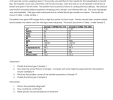 A 52 year old woman weighing about 110 pounds) was admitted to the hospital for thrombophlebitis in her left leg. Her hospital course was uneventful until the second day, when she had an acute episode of shortness of breath and pain in the left chest. The patient had no previous history of cardiopulmonary disease. Her physical examination revealed bilateral expiratory wheezing and a tender, non-inflamed left calf. The chest radiograph was unremarkable. Vital signs were measured and an arterial blood...
A 24 year old woman presented to the ED complaining of syncope and exhibiting cyanosis of...
A 24 year old woman presented to the ED complaining of syncope and exhibiting cyanosis of the lips, tongue, and distal extremities. The patient had been at a tavern, and her friends suspected that someone had poisoned her drinks. Vitals signs were: Arterial BP 110/70, HR 120, RR 16. There was no change in her cyanosis with the administration of oxygen by nasal cannula at 3LPM. Oxygen by nasal cannula was continued and an ABG was obtained. The respiratory therapist...
A 26 year old woman presented to the ED complaining of syncope and exhibiting cyanosis of...
A 26 year old woman presented to the ED complaining of syncope and exhibiting cyanosis of the lips, tongue, and distal extremities. The patient had been at a tavern, and her friends suspected that someone had poisoned her drinks. Vitals signs were: Arterial BP 110/70, HR 120, RR 16. There was no change in her cyanosis with the administration of oxygen by nasal cannula at 3LPM. Oxygen by nasal cannula was continued and an ABG was obtained. The respiratory therapist...
1. Mrs. Dean is a 75-year-old woman admitted to the hospital for a small bowel obstruction....
 1. Mrs. Dean is a 75-year-old woman admitted to the hospital for a small bowel obstruction. Her medical history includes hypertension. Mrs. Dean is NPO. She has a nasogastric (NG) tube to low continuous suction. She has an IV of 0.9% NS at 83 mL/hr. Current medications include furosemide, 20 mg daily and hydromorphone, 0.2 mg every 4 hours, as needed for pain. The morning electrolytes reveal serum potassium of 3.2 mEq/L. (Learning Objective 4) a. What are possible causes...
A patient is admitted to your hospital clinic with a reduced respiratory rate and tidal volume...
A patient is admitted to your hospital clinic with a reduced respiratory rate and tidal volume (breath size). You order an “arterial blood gas”, a test where arterial blood is drawn and the levels of oxygen, CO2, bicarbonate, as well as the pH are measured. The results come back and reveal that the patient’s blood pH is not as low as expected given her arterial pCO2 values. Of what might this be an indication? (select two answers) decreased excretion of...
The patient is a 48-year-old unconscious woman admitted to the ED. She has a known history...
The patient is a 48-year-old unconscious woman admitted to the ED. She has a known history of type 1 diabetes mellitus. Her daughter accompanies her and tells the staff that her mother has had the “flu” and has been unable to eat or drink very much. The daughter is uncertain whether her mother has taken her insulin in the past 24 hours. The patient’s vital signs are temperature 101.8° F; pulse 120, weak and irregular; respiration 22, deep, and fruity...
The patient is a 48-year-old unconscious woman admitted to the ED. She has a known history of type 1 diabetes mel...
The patient is a 48-year-old unconscious woman admitted to the ED. She has a known history of type 1 diabetes mellitus. Her daughter accompanies her and tells the staff that her mother has had the “flu” and has been unable to eat or drink very much. The daughter is uncertain whether her mother has taken her insulin in the past 24 hours. The patient’s vital signs are temperature 101.8° F; pulse 120, weak and irregular; respiration 22, deep, and fruity...
A 59-year-old black female is admitted at midnight with a diagnosis of Chest Pain. She complains of a squeezing type pain across her chest and into her left jaw area.
A 59-year-old black female is admitted at midnight with a diagnosis of Chest Pain. She complains of a squeezing type pain across her chest and into her left jaw area.Assessment FindingsVital signs are Blood Pressure-200/110; Pulse-128 beats per minute; Respirations- 26 per minute; Temperature-99.8; Saturation of Oxygen-86% on room air; pain level 9/10.During your initial assessment, she is rubbing her mid-chest, grimacing, and is diaphoretic. The pain has been occurring intermittently throughout the evening and night. Her color is pale...
A 52-year old woman was admitted to the hospital because of several episodes of dizziness and...
A 52-year old woman was admitted to the hospital because of several episodes of dizziness and lightheadedness that caused her to occasionally fall. These episodes were associated with palpitations and diaphoresis. The symptoms would improve when she sat down. Her heart rate was often very rapid (> 120 beats per minute) when she would stand. She had a history of hypertension and occasional atrial fibrillation (she is normally in sinus rhythm though). Upon being admitted to the hospital she was...
A 26-year-old male with a history of opiod abuse arrives unconscious, and unresponsive, in the emergency...
A 26-year-old male with a history of opiod abuse arrives unconscious, and unresponsive, in the emergency department via EMS. He is suspected of taking an overdose of an unknown substance. The patient was found in a collapsed state in his apartment by a friend. His friend believes that the patient may consumed pain medications in addition to an unknown quantity of of alcohol. His vital signs include tachycardia (HR=140), irregular pulse, bradypnea (f=8), and decreased blood pressure (90/60 mmHg). Breath...
 A 52 year old woman weighing about 110 pounds) was admitted to the hospital for thrombophlebitis in her left leg. Her hospital course was uneventful until the second day, when she had an acute episode of shortness of breath and pain in the left chest. The patient had no previous history of cardiopulmonary disease. Her physical examination revealed bilateral expiratory wheezing and a tender, non-inflamed left calf. The chest radiograph was unremarkable. Vital signs were measured and an arterial blood...
 1. Mrs. Dean is a 75-year-old woman admitted to the hospital for a small bowel obstruction. Her medical history includes hypertension. Mrs. Dean is NPO. She has a nasogastric (NG) tube to low continuous suction. She has an IV of 0.9% NS at 83 mL/hr. Current medications include furosemide, 20 mg daily and hydromorphone, 0.2 mg every 4 hours, as needed for pain. The morning electrolytes reveal serum potassium of 3.2 mEq/L. (Learning Objective 4) a. What are possible causes...
Most questions answered within 3 hours.
-
Where is the error in this code sequence?
String s1 = "Hello";
String s2 = "ello";...
asked 11 months ago -
Financial data for Joel de Paris, Inc., for last year
follow:
Joel de Paris, Inc.
Balance...
asked 11 months ago -
Consider this reaction:
Al2(SO4)3 (aq)+ BaCl3
(aq) Al2Cl6 (aq)- +
3BaSO4(s) . What is the...
asked 11 months ago -
Suppose that Savneet is considering increasing her
recent random sample from 20 car rentals to 40...
asked 11 months ago -
Trucks arrive at an unloading terminal at an average rate of 120
per hour.
Trucks arrive...
asked 11 months ago -
Why are methanol and ethanol completely soluble in water while
octanol is not very little soluble....
asked 11 months ago -
A facilities manager at a university reads in a research report
that the mean amount of...
asked 11 months ago -
When the CuSO4 is rehydrated by adding water to the anhydrous
compound, is this an endothermic...
asked 11 months ago -
A ray of sunlight is passing from diamond into crown glass; the
angle of incidence is...
asked 11 months ago -
A block of mass 0.249 kg is placed on top of a light, vertical
spring of...
asked 11 months ago -
how do the kidneys compensate in the presences of acidosis
a) trigger hyperventilate
b) reserve acid...
asked 11 months ago -
Question 501 pts
The rental rate of capital to the firm increases. Which of the
following...
asked 11 months ago