
Homework Answers
![3 p ③ Hy bridisation : Plz sp3 → [L] [1x hu l xl 23 S sich sp3> xe 1 -> spd h Bryce sp2 1X TXA lind my l in Taisy as I Fall 9](http://img.homeworklib.com/questions/30480950-757f-11ea-8a9b-9f53e6b24cb3.png?x-oss-process=image/resize,w_560)
Add Answer to:
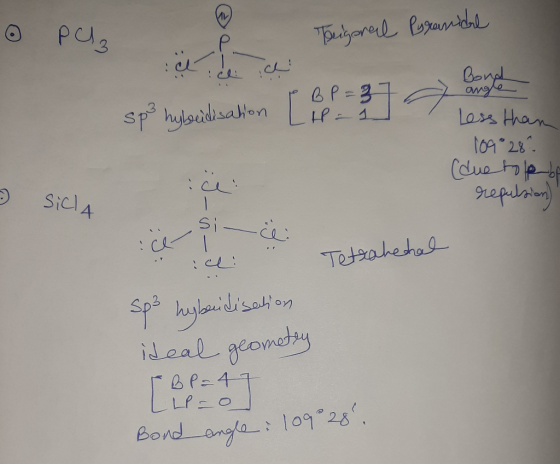
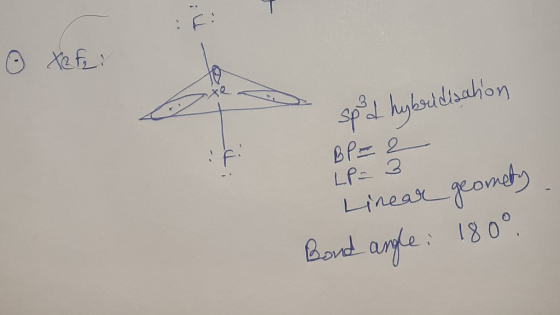
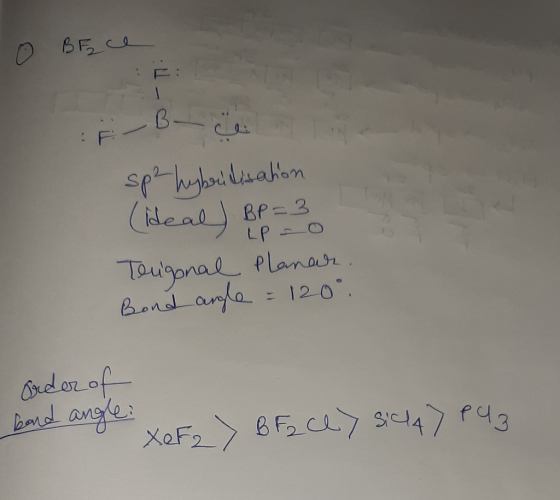
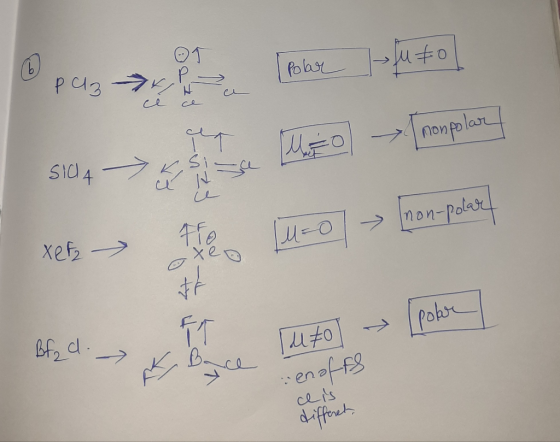
Consider the molecules shown here: PCls a. Arrange them in terms of increasing (smallest to largest)...
BF CI c. Determine the hybridization of ALL atoms in each molecule ace yoridization of ALL...
 BF CI c. Determine the hybridization of ALL atoms in each molecule ace yoridization of ALL atoms in each molecule according to valence bond theory (VB). PC13 XeF2 SiCl4 BF,C1 5. Tryptophan is an essential amino acid that is a biochemical precursor to the neurotransmitters serotonin and melatonin. The Lewis structure of tryptophan is shown. Selected atoms are labeled numerically. H .0, :N,- ¢-0-02-H HHC-H a. Write the chemical formula of tryptophan. b. Determine the total number of pi (n)...
SiCh 1 1 1 2 sps. BF:CI I 11- 25 28 3. Tryptophan is an essential...
 SiCh 1 1 1 2 sps. BF:CI I 11- 25 28 3. Tryptophan is an essential amino acid that is a biochemical precursor to the neurotransmitters serotonin and melatonin. The Lewis structure of tryptophan is shown. Selected atoms are labeled numerically. Ķ Ķ o T bond N—_.-—.—öz-H н н—с-н -6-o T-bondo Tin D r a . Write the chemical formula of tryptophan Cup b . Determine the total number of pi (xt) bonds in the Lewis structure. Sy W Palluccio...
Shown below is the partial structural formula for the amino acid L-cysteine, HSCH2(NH2)CHCOOH. Th...
 Shown below is the partial structural formula for the amino acid L-cysteine, HSCH2(NH2)CHCOOH. The dotted lines represent connectivity of the atoms, but the structure does not show the correct bond orders (single, double, etc.). Complete the following activity for L-cysteine. ННО 2 4 H N-H 1. Write the name and chemical formula of the molecule shown above. 2. Determine the total number of valence electrons in the molecule. 3. Use the partial structural formula to draw a Lewis structure for...
Molecular Geometry Formula Lewis structure #electron groups Bond angles) Drawing Name of shape BeF: Formula Lewis...
 Molecular Geometry Formula Lewis structure #electron groups Bond angles) Drawing Name of shape BeF: Formula Lewis structure #electron groups Bond angle(s) Drawing Name of shape H.0 trigonal bipyramid Polar and nonpolar bonds.polar and nonpolar molecules A covalent bond is polar if the electronegativities of the two atoms are different by more than 0.4. For example, hydrogen chloride, HCL has a polar bond because electronegativity of H (21) and the electronegativity of C100) are very different (3.0-21-09. Because chlorine's electronegativity is...
WORKSHEET Data Sheet: Molecular Models: Lewis Structures and Molecular Geometry Student: Lab Partner: Instructor and Section:...
 WORKSHEET Data Sheet: Molecular Models: Lewis Structures and Molecular Geometry Student: Lab Partner: Instructor and Section: Date: Question 1 For each of the following molecules, draw the Lewis structure and fill in the table as indicated. It is advisable to work in pencil. A dash in the table means that item is not relevant for that molecule. Formula # Vale Lewis Structure Sketch of Model Molecular Bond Geometry Angle F2 N2 H20 PF, CO CHA HCN CH 63 O Lab_Report_9.docx.......
1. a) (1 mark) Arrange these elements in order of increasing atomic radius, from smallest to...
 1. a) (1 mark) Arrange these elements in order of increasing atomic radius, from smallest to largest: Sb, S, Pb, Se Smallest smallest b) (1 mark) Arrange this isoelectronic series in order of increasing radius, from smallest to largest: Se?, Sr2*, Rb, Br Smallest Largest c) (1 mark) Arrange these elements in order of increasing first ionization energy, from smallest to largest: CI, S, Ge, Pb smallest < < < Largest NAME AND STUDENT NUMBER: 2. (4 marks) A molecule...
I need help with questions 1-8 POST-LAB: LABORATORY 11 Complete on a separate sheet of paper. 1. Indicate whether the molecule is an ion. Then, indicate whether the molecule is polar m. I n. H...
 I need help with questions 1-8
POST-LAB: LABORATORY 11 Complete on a separate sheet of paper. 1. Indicate whether the molecule is an ion. Then, indicate whether the molecule is polar m. I n. H,PO o. BrO, p. IF q CO2 a. HCN b. H,SO c. HNO, d. BF H,CO, i. SF j. BeCl k. PO, 1. SO, e. XeF f H,O Calculate the number of valence electrons in each structure in question 1 2. Draw a correct Lewis dot...
I need help with questions 1-8
POST-LAB: LABORATORY 11 Complete on a separate sheet of paper. 1. Indicate whether the molecule is an ion. Then, indicate whether the molecule is polar m. I n. H,PO o. BrO, p. IF q CO2 a. HCN b. H,SO c. HNO, d. BF H,CO, i. SF j. BeCl k. PO, 1. SO, e. XeF f H,O Calculate the number of valence electrons in each structure in question 1 2. Draw a correct Lewis dot...
please I need help with the data sheet INTRODUCTION The chemical and physical properties of substances...
 please I need help with the data sheet
INTRODUCTION The chemical and physical properties of substances are influenced by the way in which valence electrons are distributed and by the three-dimensional shape of the molecule or ion. X- ray and neutron diffraction, infrared, Raman and microwave absorption spectroscopy, as well as dipole moment measurements are used to ascertain the three-dimensional structure of a substance. Thus, techniques are available which can identify the geometry of substances. Results of these measurements generally...
please I need help with the data sheet
INTRODUCTION The chemical and physical properties of substances are influenced by the way in which valence electrons are distributed and by the three-dimensional shape of the molecule or ion. X- ray and neutron diffraction, infrared, Raman and microwave absorption spectroscopy, as well as dipole moment measurements are used to ascertain the three-dimensional structure of a substance. Thus, techniques are available which can identify the geometry of substances. Results of these measurements generally...
please I need help with this Х Lab 11.pdf Lab 11.pdf INTRODUCTION The chemical and physical...
 please I need help with this
Х Lab 11.pdf Lab 11.pdf INTRODUCTION The chemical and physical properties of substances are influenced by the way in which valence electrons are distributed and by the three-dimensional shape of the molecule or ion. X- ray and neutron diffraction, infrared, Raman and microwave absorption spectroscopy, as well as dipole moment measurements, are used to ascertain the three-dimensional structure of a substance. Thus, techniques are available which can identify the geometry of substances Results of...
please I need help with this
Х Lab 11.pdf Lab 11.pdf INTRODUCTION The chemical and physical properties of substances are influenced by the way in which valence electrons are distributed and by the three-dimensional shape of the molecule or ion. X- ray and neutron diffraction, infrared, Raman and microwave absorption spectroscopy, as well as dipole moment measurements, are used to ascertain the three-dimensional structure of a substance. Thus, techniques are available which can identify the geometry of substances Results of...
 BF CI c. Determine the hybridization of ALL atoms in each molecule ace yoridization of ALL atoms in each molecule according to valence bond theory (VB). PC13 XeF2 SiCl4 BF,C1 5. Tryptophan is an essential amino acid that is a biochemical precursor to the neurotransmitters serotonin and melatonin. The Lewis structure of tryptophan is shown. Selected atoms are labeled numerically. H .0, :N,- ¢-0-02-H HHC-H a. Write the chemical formula of tryptophan. b. Determine the total number of pi (n)...
 SiCh 1 1 1 2 sps. BF:CI I 11- 25 28 3. Tryptophan is an essential amino acid that is a biochemical precursor to the neurotransmitters serotonin and melatonin. The Lewis structure of tryptophan is shown. Selected atoms are labeled numerically. Ķ Ķ o T bond N—_.-—.—öz-H н н—с-н -6-o T-bondo Tin D r a . Write the chemical formula of tryptophan Cup b . Determine the total number of pi (xt) bonds in the Lewis structure. Sy W Palluccio...
 Shown below is the partial structural formula for the amino acid L-cysteine, HSCH2(NH2)CHCOOH. The dotted lines represent connectivity of the atoms, but the structure does not show the correct bond orders (single, double, etc.). Complete the following activity for L-cysteine. ННО 2 4 H N-H 1. Write the name and chemical formula of the molecule shown above. 2. Determine the total number of valence electrons in the molecule. 3. Use the partial structural formula to draw a Lewis structure for...
 Molecular Geometry Formula Lewis structure #electron groups Bond angles) Drawing Name of shape BeF: Formula Lewis structure #electron groups Bond angle(s) Drawing Name of shape H.0 trigonal bipyramid Polar and nonpolar bonds.polar and nonpolar molecules A covalent bond is polar if the electronegativities of the two atoms are different by more than 0.4. For example, hydrogen chloride, HCL has a polar bond because electronegativity of H (21) and the electronegativity of C100) are very different (3.0-21-09. Because chlorine's electronegativity is...
 WORKSHEET Data Sheet: Molecular Models: Lewis Structures and Molecular Geometry Student: Lab Partner: Instructor and Section: Date: Question 1 For each of the following molecules, draw the Lewis structure and fill in the table as indicated. It is advisable to work in pencil. A dash in the table means that item is not relevant for that molecule. Formula # Vale Lewis Structure Sketch of Model Molecular Bond Geometry Angle F2 N2 H20 PF, CO CHA HCN CH 63 O Lab_Report_9.docx.......
 1. a) (1 mark) Arrange these elements in order of increasing atomic radius, from smallest to largest: Sb, S, Pb, Se Smallest smallest b) (1 mark) Arrange this isoelectronic series in order of increasing radius, from smallest to largest: Se?, Sr2*, Rb, Br Smallest Largest c) (1 mark) Arrange these elements in order of increasing first ionization energy, from smallest to largest: CI, S, Ge, Pb smallest < < < Largest NAME AND STUDENT NUMBER: 2. (4 marks) A molecule...
 I need help with questions 1-8
POST-LAB: LABORATORY 11 Complete on a separate sheet of paper. 1. Indicate whether the molecule is an ion. Then, indicate whether the molecule is polar m. I n. H,PO o. BrO, p. IF q CO2 a. HCN b. H,SO c. HNO, d. BF H,CO, i. SF j. BeCl k. PO, 1. SO, e. XeF f H,O Calculate the number of valence electrons in each structure in question 1 2. Draw a correct Lewis dot...
I need help with questions 1-8
POST-LAB: LABORATORY 11 Complete on a separate sheet of paper. 1. Indicate whether the molecule is an ion. Then, indicate whether the molecule is polar m. I n. H,PO o. BrO, p. IF q CO2 a. HCN b. H,SO c. HNO, d. BF H,CO, i. SF j. BeCl k. PO, 1. SO, e. XeF f H,O Calculate the number of valence electrons in each structure in question 1 2. Draw a correct Lewis dot...
 please I need help with the data sheet
INTRODUCTION The chemical and physical properties of substances are influenced by the way in which valence electrons are distributed and by the three-dimensional shape of the molecule or ion. X- ray and neutron diffraction, infrared, Raman and microwave absorption spectroscopy, as well as dipole moment measurements are used to ascertain the three-dimensional structure of a substance. Thus, techniques are available which can identify the geometry of substances. Results of these measurements generally...
please I need help with the data sheet
INTRODUCTION The chemical and physical properties of substances are influenced by the way in which valence electrons are distributed and by the three-dimensional shape of the molecule or ion. X- ray and neutron diffraction, infrared, Raman and microwave absorption spectroscopy, as well as dipole moment measurements are used to ascertain the three-dimensional structure of a substance. Thus, techniques are available which can identify the geometry of substances. Results of these measurements generally...
 please I need help with this
Х Lab 11.pdf Lab 11.pdf INTRODUCTION The chemical and physical properties of substances are influenced by the way in which valence electrons are distributed and by the three-dimensional shape of the molecule or ion. X- ray and neutron diffraction, infrared, Raman and microwave absorption spectroscopy, as well as dipole moment measurements, are used to ascertain the three-dimensional structure of a substance. Thus, techniques are available which can identify the geometry of substances Results of...
please I need help with this
Х Lab 11.pdf Lab 11.pdf INTRODUCTION The chemical and physical properties of substances are influenced by the way in which valence electrons are distributed and by the three-dimensional shape of the molecule or ion. X- ray and neutron diffraction, infrared, Raman and microwave absorption spectroscopy, as well as dipole moment measurements, are used to ascertain the three-dimensional structure of a substance. Thus, techniques are available which can identify the geometry of substances Results of...
Most questions answered within 3 hours.
-
Where is the error in this code sequence?
String s1 = "Hello";
String s2 = "ello";...
asked 10 months ago -
Financial data for Joel de Paris, Inc., for last year
follow:
Joel de Paris, Inc.
Balance...
asked 10 months ago -
Consider this reaction:
Al2(SO4)3 (aq)+ BaCl3
(aq) Al2Cl6 (aq)- +
3BaSO4(s) . What is the...
asked 10 months ago -
Suppose that Savneet is considering increasing her
recent random sample from 20 car rentals to 40...
asked 10 months ago -
Trucks arrive at an unloading terminal at an average rate of 120
per hour.
Trucks arrive...
asked 10 months ago -
Why are methanol and ethanol completely soluble in water while
octanol is not very little soluble....
asked 10 months ago -
A facilities manager at a university reads in a research report
that the mean amount of...
asked 10 months ago -
When the CuSO4 is rehydrated by adding water to the anhydrous
compound, is this an endothermic...
asked 10 months ago -
A ray of sunlight is passing from diamond into crown glass; the
angle of incidence is...
asked 10 months ago -
A block of mass 0.249 kg is placed on top of a light, vertical
spring of...
asked 10 months ago -
how do the kidneys compensate in the presences of acidosis
a) trigger hyperventilate
b) reserve acid...
asked 10 months ago -
Question 501 pts
The rental rate of capital to the firm increases. Which of the
following...
asked 10 months ago