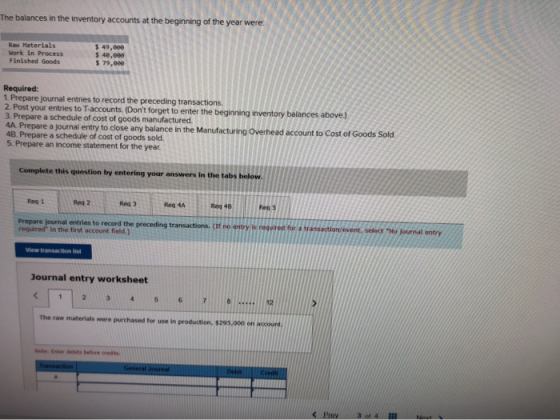
![Problem 3-15 Journal Entries; T-Accounts; Financial Statements [LO3-1, LO3-2, LO3-3, LO3-4] Froya Fabrikker A/S of Bergen, No](http://img.homeworklib.com/questions/652659e0-798f-11ea-9556-6bf0a0f7d1a4.png?x-oss-process=image/resize,w_560)
Homework Answers
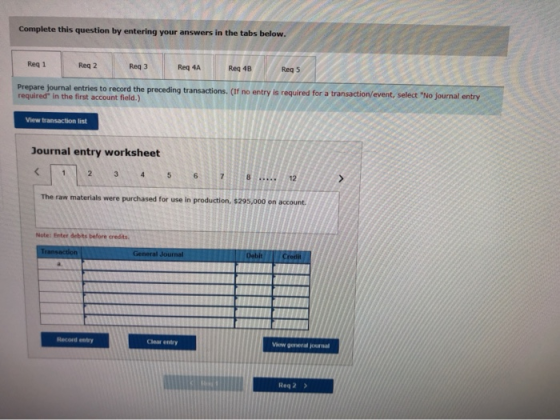
| 1) | Journal Entries | |||||
| Events | Particulars | Debit | Credit | |||
| a) | Raw Materials | $ 295,000.00 | ||||
| To Accounts Payable | $ 295,000.00 | |||||
| b) | WIP | $ 280,000.00 | ||||
| To Raw Materials | $ 280,000.00 | |||||
| c) | Manu. OH | $ 74,100.00 | ||||
| Utility Expense | $ 3,900.00 | |||||
| To Bills Payable | $ 78,000.00 | |||||
| d) | WIP | $ 325,000.00 | ||||
| Manu. OH | $ 109,000.00 | |||||
| Salary Expense | $ 205,000.00 | |||||
| To Salaries Payable | $ 639,000.00 | |||||
| e) | Manu. OH | $ 73,000.00 | ||||
| Accounts Payable | $ 73,000.00 | |||||
| f) | Advertising Expense | $ 155,000.00 | ||||
| To Accounts Payable | $ 155,000.00 | |||||
| g) | Manu. OH | $ 72,800.00 | ||||
| Depreciation Expense | $ 18,200.00 | |||||
| To Accumulated Depreciation | $ 91,000.00 | |||||
| h) | Manu. OH | $ 89,250.00 | ||||
| Rent Expense | $ 15,750.00 | |||||
| To Accounts Payable | $ 105,000.00 | |||||
| i) | WIP | $ 427,200.00 | ||||
| To Manu. OH | $ 427,200.00 | |||||
| ($ 388800 x 890/810) | ||||||
| j) | Finished Goods | $ 960,000.00 | ||||
| To WIP | $ 960,000.00 | |||||
| k) | Cost of Goods sold | $ 990,000.00 | ||||
| To Finished Goods | $ 990,000.00 | |||||
| Accounts Receivable | $ 2,150,000.00 | |||||
| To Sales | $ 2,150,000.00 | |||||
| 2) | Raw Materials | WIP | Finished Goods | |||||||||||
| Beg. Bal. | 49000 | b) | $ 280,000.00 | Beg. Bal. | 40000 | j) | $ 960,000.00 | Beg. Bal. | 79000 | k) | $ 990,000.00 | |||
| a) | $ 295,000.00 | End. Bal. | $ 64,000.00 | b) | $ 280,000.00 | j) | $ 960,000.00 | End. Bal | $ 49,000.00 | |||||
| d) | $ 325,000.00 | |||||||||||||
| i) | $ 427,200.00 | End. Bal. | $ 112,200.00 | |||||||||||
| Manu. OH | Cost of Goods sold | |||||||||||||
| c) | $ 74,100.00 | i) | $ 427,200.00 | k) | $ 990,000.00 | Bal. | $ 990,000.00 | |||||||
| d) | $ 109,000.00 | |||||||||||||
| e) | $ 73,000.00 | |||||||||||||
| g) | $ 72,800.00 | |||||||||||||
| h) | $ 89,250.00 | |||||||||||||
| Bal. | $ 9,050.00 | |||||||||||||
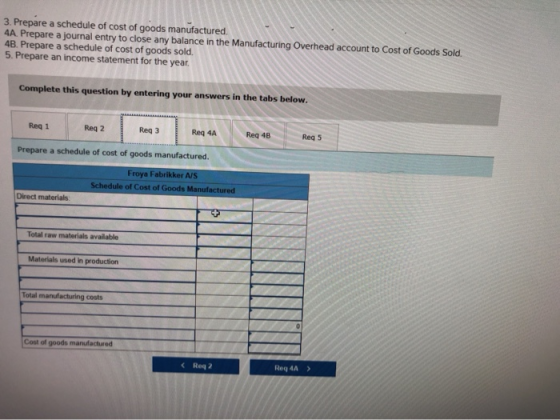
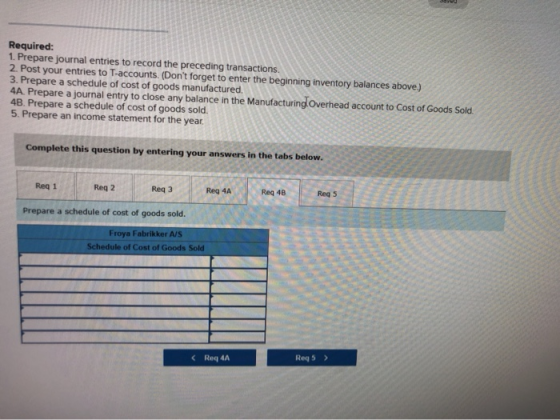
| 3) | Schedule of Cost of Goods Manufactured | |||||
| Direct materials: | ||||||
| Beginning R.M inventory | $ 49,000.00 | |||||
| Add: | Purchase of R.M | $ 295,000.00 | ||||
| Total R.M available | $ 344,000.00 | |||||
| Less: | Ending R.M inventory | $ 64,000.00 | ||||
| R.M used in production | $ 280,000.00 | |||||
| Direct labor | $ 325,000.00 | |||||
| Manufacturing OH | $ 427,200.00 | |||||
| Total manufacturing costs | $ 1,032,200.00 | |||||
| Add: | Beginning WIP Inventory | $ 40,000.00 | ||||
| $ 1,072,200.00 | ||||||
| Less: | Ending WIP inventory | $ 112,200.00 | ||||
| Cost of goods manufactured | $ 960,000.00 | |||||
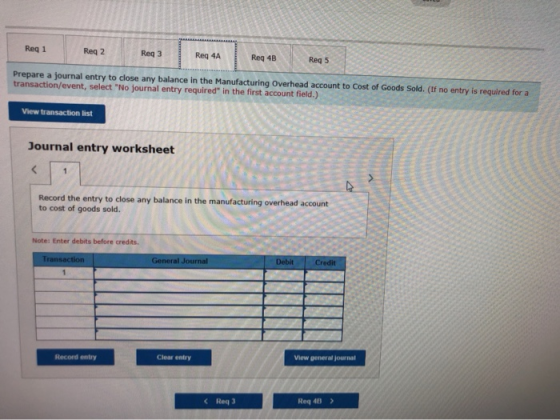
| 4) | Entry to close manu. OH account | ||||
| Particulars | Debit | Credit | |||
| Manufacturing OH | $ 9,050.00 | ||||
| To Cost of Goods sold | $ 9,050.00 | ||||
Note: As HOMEWORKLIB RULES's policy, I've completed first 4 parts of the question. Do let me know if you find anything incorrect
Add Answer to:
accounting experts Please help!
thumbs up for correct answers !
Problem 3-15 Journal Entries; T-Accounts; Financial...
Problem 3-15 Journal Entries; T-Accounts; Financial Statements [LO3-1, LO3-2, LO3-3, LO3-4] Problem 3-15 Journal Entries; T-Accounts;...
 Problem 3-15 Journal Entries; T-Accounts; Financial Statements
[LO3-1, LO3-2, LO3-3, LO3-4]
Problem 3-15 Journal Entries; T-Accounts; Financial Statements [LO3-1, LO3-2, LO3-3, LO3-4) Froya Fabrikker A/S of Bergen, Norway, is a small company that manufactures specialty heavy equipment for use in North Sea oil fields. The company uses a job-order costing system that applies manufacturing overhead cost to jobs on the basis of direct labor- hours. Its predetermined overhead rate was based on a cost formula that estimated $350,000 of manufacturing...
Problem 3-15 Journal Entries; T-Accounts; Financial Statements
[LO3-1, LO3-2, LO3-3, LO3-4]
Problem 3-15 Journal Entries; T-Accounts; Financial Statements [LO3-1, LO3-2, LO3-3, LO3-4) Froya Fabrikker A/S of Bergen, Norway, is a small company that manufactures specialty heavy equipment for use in North Sea oil fields. The company uses a job-order costing system that applies manufacturing overhead cost to jobs on the basis of direct labor- hours. Its predetermined overhead rate was based on a cost formula that estimated $350,000 of manufacturing...
Problem 3-15 Journal Entries; T-Accounts; Financial Statements [LO3-1, LO3-2, LO3-3, LO3-4] points Froya Fabrikker A/S of...
 Problem 3-15 Journal Entries; T-Accounts; Financial Statements [LO3-1, LO3-2, LO3-3, LO3-4] points Froya Fabrikker A/S of Bergen, Norway, is a small company that manufactures specialty heavy equipment for use in North Sea oil fields. The company uses a job-order costing system that applies manufacturing overhead cost to jobs on the basis of direct labor- hours. Its predetermined overhead rate was based on a cost formula that estimated $395,600 of manufacturing overhead for an estimated allocation base of 920 direct labor-hours....
Problem 3-15 Journal Entries; T-Accounts; Financial Statements [LO3-1, LO3-2, LO3-3, LO3-4) Froya Fabrikker A/S of Bergen,...
 Problem 3-15 Journal Entries; T-Accounts; Financial Statements [LO3-1, LO3-2, LO3-3, LO3-4) Froya Fabrikker A/S of Bergen, Norway, is a small company that manufactures specialty heavy equipment for use in North Sea oil fields. The company uses a job-order costing system that applies manufacturing overhead cost to jobs on the basis of direct labor- hours. Its predetermined overhead rate was based on a cost formula that estimated $349,800 of manufacturing overhead for an estimated allocation base of 1,060 direct labor-hours. The...
Problem 3-15 Journal Entries; T-Accounts; Financial Statements [LO3-1, LO3-2, LO3-3, LO3-4] Froya Fabrikker A/S of Bergen,...
 Problem 3-15 Journal Entries; T-Accounts; Financial Statements [LO3-1, LO3-2, LO3-3, LO3-4] Froya Fabrikker A/S of Bergen, Norway, is a small company that manufactures specialty heavy equipment for use in North Sea oil fields. The company uses a job-order costing system that applies manufacturing overhead cost to jobs on the basis of direct labor- hours. Its predetermined overhead rate was based on a cost formula that estimated $399,000 of manufacturing overhead for an estimated allocation base of 1,050 direct labor-hours. The...
Problem 3-15 Journal Entries; T-Accounts; Financial Statements (LO3-1, LO3-2, LO3-3, LO3-4] Froya Fabrikker A/S of Bergen,...
 Problem 3-15 Journal Entries; T-Accounts; Financial Statements (LO3-1, LO3-2, LO3-3, LO3-4] Froya Fabrikker A/S of Bergen, Norway, is a small company that manufactures specialty heavy equipment for use in North Sea oil fields. The company uses a job-order costing system that applies manufacturing overhead cost to jobs on the basis of direct labor- hours. Its predetermined overhead rate was based on a cost formula that estimated $395,600 of manufacturing overhead for an estimated allocation base of 920 direct labor-hours. The...
Problem 3-15 Journal Entries; T-Accounts; Financial Statements [LO3-1, LO3-2, LO3-3, LO3-4) Froya Fabrikker A/S of Bergen,...
 Problem 3-15 Journal Entries; T-Accounts; Financial Statements [LO3-1, LO3-2, LO3-3, LO3-4) Froya Fabrikker A/S of Bergen, Norway, is a small company that manufactures specialty heavy equipment for use in North Sea oil fields. The company uses a job-order costing system that applies manufacturing overhead cost to jobs on the basis of direct labor hours. Its predetermined overhead rate was based on a cost formula that estimated $349.800 of manufacturing overhead for an estimated allocation base of 1.060 direct labor-hours. The...
Problem 3-15 Journal Entries; T-Accounts; Financial Statements [LO3-1, LO3-2, LO3-3, LO3-4] Froya Fabrikker A/S of Bergen,...
 Problem 3-15 Journal Entries; T-Accounts; Financial Statements [LO3-1, LO3-2, LO3-3, LO3-4] Froya Fabrikker A/S of Bergen, Norway, is a small company that manufactures specialty heavy equipment for use in North Sea oil fields. The company uses a job-order costing system that applies manufacturing overhead cost to jobs on the basis of direct labor-hours. Its predetermined overhead rate was based on a cost formula that estimated $351,500 of manufacturing overhead for an estimated allocation base of 950 direct labor-hours. The following...
Problem 3-15 Journal Entries; T-Accounts; Financial Statements (LO3-1, LO3-2, LO3-3, LO3-4) Froya Fabrikker A/S of Bergen,...
 Problem 3-15 Journal Entries; T-Accounts; Financial Statements (LO3-1, LO3-2, LO3-3, LO3-4) Froya Fabrikker A/S of Bergen, Norway, is a small company that manufactures specialty heavy equipment for use in North Sea oll fields. The company uses a job-order costing system that applies manufacturing overhead cost to jobs on the basis of direct labor- hours. Its predetermined overhead rate was based on a cost formula that estimated $329,000 of manufacturing overhead for an estimated allocation base of 940 direct labor-hours. The...
1. Prepare journal entries to record the preceding transactions. 2. Post your entries to T-accounts. (Don’t...
 1. Prepare journal entries to record the preceding
transactions.
2. Post your entries to T-accounts. (Don’t forget to enter the
beginning inventory balances above.)
3. Prepare a schedule of cost of goods manufactured.
4A. Prepare a journal entry to close any balance in the
Manufacturing Overhead account to Cost of Goods Sold.
4B. Prepare a schedule of cost of goods sold.
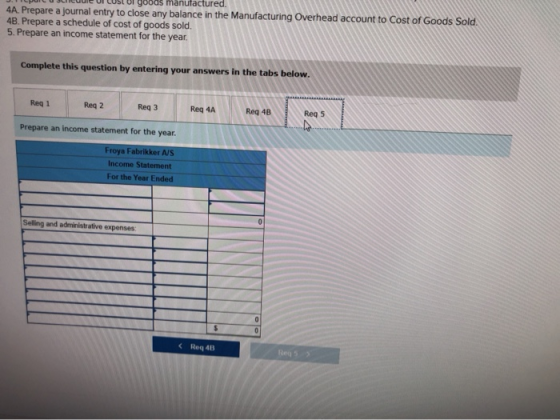
5. Prepare an income statement for the year.
Froya Fabrikker A/S of Bergen, Norway, is a small company that...
1. Prepare journal entries to record the preceding
transactions.
2. Post your entries to T-accounts. (Don’t forget to enter the
beginning inventory balances above.)
3. Prepare a schedule of cost of goods manufactured.
4A. Prepare a journal entry to close any balance in the
Manufacturing Overhead account to Cost of Goods Sold.
4B. Prepare a schedule of cost of goods sold.
5. Prepare an income statement for the year.
Froya Fabrikker A/S of Bergen, Norway, is a small company that...
LOOR I S A Merchandiser That Provided The Che Luxtor map Prescot AL Graded Homework saved...
 LOOR I S A Merchandiser That Provided The Che Luxtor map Prescot AL Graded Homework saved Help Save Problem 3-15 Journal Entries; T-Accounts; Financial Statements [LO3-1, LO3-2, LO3-3, LO3-4) Froya Fabrikker A/S of Bergen, Norway, is a small company that manufactures specialty heavy equipment for use in North Sea oil fields. The company uses a job-order costing system that applies manufacturing overhead cost to jobs on the basis of direct labor hours. Its predetermined overhead rate was based on a...
 Problem 3-15 Journal Entries; T-Accounts; Financial Statements
[LO3-1, LO3-2, LO3-3, LO3-4]
Problem 3-15 Journal Entries; T-Accounts; Financial Statements [LO3-1, LO3-2, LO3-3, LO3-4) Froya Fabrikker A/S of Bergen, Norway, is a small company that manufactures specialty heavy equipment for use in North Sea oil fields. The company uses a job-order costing system that applies manufacturing overhead cost to jobs on the basis of direct labor- hours. Its predetermined overhead rate was based on a cost formula that estimated $350,000 of manufacturing...
Problem 3-15 Journal Entries; T-Accounts; Financial Statements
[LO3-1, LO3-2, LO3-3, LO3-4]
Problem 3-15 Journal Entries; T-Accounts; Financial Statements [LO3-1, LO3-2, LO3-3, LO3-4) Froya Fabrikker A/S of Bergen, Norway, is a small company that manufactures specialty heavy equipment for use in North Sea oil fields. The company uses a job-order costing system that applies manufacturing overhead cost to jobs on the basis of direct labor- hours. Its predetermined overhead rate was based on a cost formula that estimated $350,000 of manufacturing...
 Problem 3-15 Journal Entries; T-Accounts; Financial Statements [LO3-1, LO3-2, LO3-3, LO3-4] points Froya Fabrikker A/S of Bergen, Norway, is a small company that manufactures specialty heavy equipment for use in North Sea oil fields. The company uses a job-order costing system that applies manufacturing overhead cost to jobs on the basis of direct labor- hours. Its predetermined overhead rate was based on a cost formula that estimated $395,600 of manufacturing overhead for an estimated allocation base of 920 direct labor-hours....
 Problem 3-15 Journal Entries; T-Accounts; Financial Statements [LO3-1, LO3-2, LO3-3, LO3-4) Froya Fabrikker A/S of Bergen, Norway, is a small company that manufactures specialty heavy equipment for use in North Sea oil fields. The company uses a job-order costing system that applies manufacturing overhead cost to jobs on the basis of direct labor- hours. Its predetermined overhead rate was based on a cost formula that estimated $349,800 of manufacturing overhead for an estimated allocation base of 1,060 direct labor-hours. The...
 Problem 3-15 Journal Entries; T-Accounts; Financial Statements [LO3-1, LO3-2, LO3-3, LO3-4] Froya Fabrikker A/S of Bergen, Norway, is a small company that manufactures specialty heavy equipment for use in North Sea oil fields. The company uses a job-order costing system that applies manufacturing overhead cost to jobs on the basis of direct labor- hours. Its predetermined overhead rate was based on a cost formula that estimated $399,000 of manufacturing overhead for an estimated allocation base of 1,050 direct labor-hours. The...
 Problem 3-15 Journal Entries; T-Accounts; Financial Statements (LO3-1, LO3-2, LO3-3, LO3-4] Froya Fabrikker A/S of Bergen, Norway, is a small company that manufactures specialty heavy equipment for use in North Sea oil fields. The company uses a job-order costing system that applies manufacturing overhead cost to jobs on the basis of direct labor- hours. Its predetermined overhead rate was based on a cost formula that estimated $395,600 of manufacturing overhead for an estimated allocation base of 920 direct labor-hours. The...
 Problem 3-15 Journal Entries; T-Accounts; Financial Statements [LO3-1, LO3-2, LO3-3, LO3-4) Froya Fabrikker A/S of Bergen, Norway, is a small company that manufactures specialty heavy equipment for use in North Sea oil fields. The company uses a job-order costing system that applies manufacturing overhead cost to jobs on the basis of direct labor hours. Its predetermined overhead rate was based on a cost formula that estimated $349.800 of manufacturing overhead for an estimated allocation base of 1.060 direct labor-hours. The...
 Problem 3-15 Journal Entries; T-Accounts; Financial Statements [LO3-1, LO3-2, LO3-3, LO3-4] Froya Fabrikker A/S of Bergen, Norway, is a small company that manufactures specialty heavy equipment for use in North Sea oil fields. The company uses a job-order costing system that applies manufacturing overhead cost to jobs on the basis of direct labor-hours. Its predetermined overhead rate was based on a cost formula that estimated $351,500 of manufacturing overhead for an estimated allocation base of 950 direct labor-hours. The following...
 Problem 3-15 Journal Entries; T-Accounts; Financial Statements (LO3-1, LO3-2, LO3-3, LO3-4) Froya Fabrikker A/S of Bergen, Norway, is a small company that manufactures specialty heavy equipment for use in North Sea oll fields. The company uses a job-order costing system that applies manufacturing overhead cost to jobs on the basis of direct labor- hours. Its predetermined overhead rate was based on a cost formula that estimated $329,000 of manufacturing overhead for an estimated allocation base of 940 direct labor-hours. The...
 1. Prepare journal entries to record the preceding
transactions.
2. Post your entries to T-accounts. (Don’t forget to enter the
beginning inventory balances above.)
3. Prepare a schedule of cost of goods manufactured.
4A. Prepare a journal entry to close any balance in the
Manufacturing Overhead account to Cost of Goods Sold.
4B. Prepare a schedule of cost of goods sold.
5. Prepare an income statement for the year.
Froya Fabrikker A/S of Bergen, Norway, is a small company that...
1. Prepare journal entries to record the preceding
transactions.
2. Post your entries to T-accounts. (Don’t forget to enter the
beginning inventory balances above.)
3. Prepare a schedule of cost of goods manufactured.
4A. Prepare a journal entry to close any balance in the
Manufacturing Overhead account to Cost of Goods Sold.
4B. Prepare a schedule of cost of goods sold.
5. Prepare an income statement for the year.
Froya Fabrikker A/S of Bergen, Norway, is a small company that...
 LOOR I S A Merchandiser That Provided The Che Luxtor map Prescot AL Graded Homework saved Help Save Problem 3-15 Journal Entries; T-Accounts; Financial Statements [LO3-1, LO3-2, LO3-3, LO3-4) Froya Fabrikker A/S of Bergen, Norway, is a small company that manufactures specialty heavy equipment for use in North Sea oil fields. The company uses a job-order costing system that applies manufacturing overhead cost to jobs on the basis of direct labor hours. Its predetermined overhead rate was based on a...
Most questions answered within 3 hours.
-
Where is the error in this code sequence?
String s1 = "Hello";
String s2 = "ello";...
asked 10 months ago -
Financial data for Joel de Paris, Inc., for last year
follow:
Joel de Paris, Inc.
Balance...
asked 10 months ago -
Consider this reaction:
Al2(SO4)3 (aq)+ BaCl3
(aq) Al2Cl6 (aq)- +
3BaSO4(s) . What is the...
asked 10 months ago -
Suppose that Savneet is considering increasing her
recent random sample from 20 car rentals to 40...
asked 10 months ago -
Trucks arrive at an unloading terminal at an average rate of 120
per hour.
Trucks arrive...
asked 10 months ago -
Why are methanol and ethanol completely soluble in water while
octanol is not very little soluble....
asked 10 months ago -
A facilities manager at a university reads in a research report
that the mean amount of...
asked 10 months ago -
When the CuSO4 is rehydrated by adding water to the anhydrous
compound, is this an endothermic...
asked 10 months ago -
A ray of sunlight is passing from diamond into crown glass; the
angle of incidence is...
asked 10 months ago -
A block of mass 0.249 kg is placed on top of a light, vertical
spring of...
asked 10 months ago -
how do the kidneys compensate in the presences of acidosis
a) trigger hyperventilate
b) reserve acid...
asked 10 months ago -
Question 501 pts
The rental rate of capital to the firm increases. Which of the
following...
asked 10 months ago