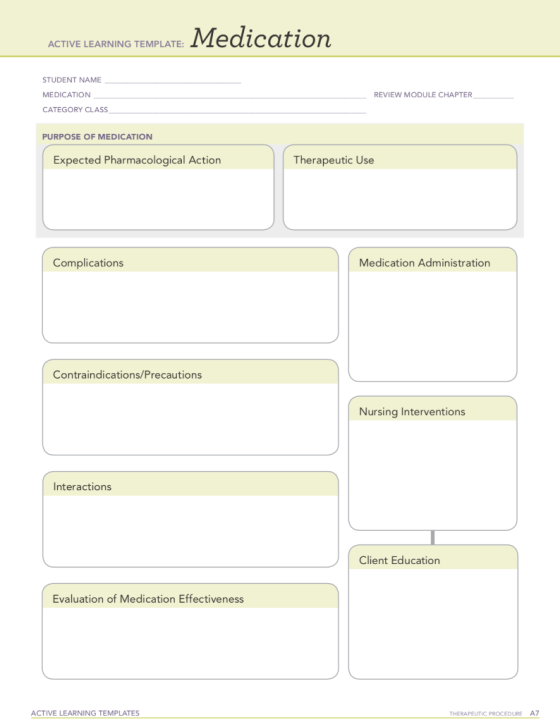
- Fill out the chart with information based on the medication listed (3)
- aspirin
- ibuprofen
- celecoxib (Celebrex)
Homework Answers
Aspirin
Aspirin is an analgesic drug, also known as Acetylsalycilic acid.
*Pharmacological action: Aspirin is an analgesic , anti inflammatory and antipyretic medication. These therapeutic effects are achieved through action of inhibition of Prostaglandin synthesis by inhibiting Cyclooxygenase enzyme.
It is also used as an antiplatelet agent to prevent clotting.
*Therapeutic use:
Pain( muscle cramps, headache, migraine, bloating, neuropathic pain)
Fever
Inflammations like Rheumatoid arthritis
Heart attacks and ischemic strokes: due to antiplatelet properties clotting of blood inside the blood vessels can be avoid with aspirin. It is a blood thinning agent
*Complications
Haemorrhagic stroke
Stomach ulcer and Gastrointestinal bleeding
In allergic patients, aspirin may cause severe allergic reactions
Reye's Syndrome( a rare disorder causes brain and liver damage in children, who had recent viral infection. Aspirin increases the risk of Reye's Syndrome)
*Contraindications
Ulcers
bleeding disorders
alcohol use
Children and teenagers( It is contraindicated during flu and other illness, it may cause Reye's Syndrome)
*Interactions
Aspirin can interact with medication such as Heparin, Ibuprofen, anti depressants( clomipramine), Corticosteroids and also dietary supplements such as Ginko, fish oil, bilberry
Medication administration
Oral tablets for fever and pain
oral solutions ( trilisate- magnesium salicylate)
Rectal suppositories( to insert into rectum)
Topical applications for neuropathic pain
*Nursing interventions:
Assess for any allergic history to drugs
Assess patient for signs bleeding such as ecchymosis, bleeding gums , black or bloody stools.
Provide adequate fluids
Administer medication as per Doctor's order
*Client education
- Instruct the client to avoid alcohol
- Encourage to drink adequate fluids
- Instruct the patient not to take other medicines or herbal supplements without physician order
*Evaluation of medication effectiveness
Effectiveness of Aspirin can be monitored by patient reports on pain relief or reduction in pain intensity, reduction of body temperature to normal, reduction in redness and edema around an affected joint.
Ibuprofen
*Expected pharmacological action
anti- inflammatory and analgesic action by inhibiting Cyclooxygenase enzyme and thus inhibiting the Prostaglandins.
*Therapeutic use: Reduces pain in Headaches, menstrual cramps, dental pain, arthritis.
Decreases swelling and fever.
*Complications
Liver failure
blood in the urine
anemia and low platelet condition
Stroke and heart attack
Kidney damage
*Contraindications
Hypersensitivity
Patients who experienced allergic reactions to aspirin such as Asthma, urticaria
Hypertension
Gastric ulcers
* Drug interactions
Ibuprofen may interact with drugs such as aspirin, Eliquis, Trexal, alka - seltzer.
*medication administration
* Nursing interventions
Assess the history of allergy, hepatic or renal impairment or bleeding disorders
Monitor renal and hepatic function test
Administer medication as per Doctor's order
Monitor for fluid imbalance and any complication
*Client education: Instruct the client to;
-Avoid alcohol use
-Notify the physician , if taking any anticoagulant medication
- take medication with food or milk
- take plenty of fluids
* Evaluation of medication effectiveness
Effectiveness can be monitored by patient 's report on reduction of pain intensity or relief of pain.
Celecoxib
*Expected pharmacological action
Analgesic, anti- inflammatory and antipyretic properties ( by inhibiting Cyclooxygenase enzyme-2, thus inhibiting the Prostaglandin synthesis
*Therapeutic use
Arthritis and Spondylitis( to decrease pain and inflammation), primary dysmenorrhea
*Complications
Hepatic complications
Kidney problems
Hypertension
Dyspnea
*Contraindications
Advanced renal disease
Hypersensitivity
Hepatic dysfunction
third trimester pregnancy
Coronary artery bypass graft Surgery
History of asthma and other allergy
*Interactions
Celecoxib may interact with drugs such as furosemide, Fluconozole, lithium, aspirin, corticosteroids
*Medication administration
Capsules are available( 50 ,100, 200 mg ). administer oral tablets
Nursing interventions
Client education
-Instruct the client to :have plenty of fluids, take medication as per instruction, notify healthvare provider , if any complication like bloody or dark stool, abdominal pain, edema, chest pain
* Evaluation of medication effectiveness
Patient's report on pain relief or reduction in pain intensity, reduction in joint swelling,
Add Answer to:
Fill out the chart with information based on the medication
listed (3)
aspirin
ibuprofen
celecoxib
(Celebrex)...
ONE TEMPLATE ON DIGOXIN AND ONE ON LASIX ACTIVE LEARNING TEMPLATE STUDENT NAME MEDICATION CATEGORY CLASS...
 ONE TEMPLATE ON DIGOXIN AND
ONE ON LASIX
ACTIVE LEARNING TEMPLATE STUDENT NAME MEDICATION CATEGORY CLASS REVIEW MODULE CHAPTER PURPOSE OF MEDICATION Expected Pharmacological Action Therapeutic Use Complications Medication Administration Contraindications/Precautions Nursing Interventions Interactions Client Education Evaluation of Medication Effectiveness ACTIVE LEARNING TEMPLATES THERAPEUTIC PROCEDURE A7 ACTIVE LEARNING TEMPLATE STUDENT NAME MEDICATION CATEGORY CLASS REVIEW MODULE CHAPTER PURPOSE OF MEDICATION Expected Pharmacological Action Therapeutic Use Complications Medication Administration Contraindications/Precautions Nursing Interventions Interactions Client Education Evaluation of Medication Effectiveness ACTIVE LEARNING...
ONE TEMPLATE ON DIGOXIN AND
ONE ON LASIX
ACTIVE LEARNING TEMPLATE STUDENT NAME MEDICATION CATEGORY CLASS REVIEW MODULE CHAPTER PURPOSE OF MEDICATION Expected Pharmacological Action Therapeutic Use Complications Medication Administration Contraindications/Precautions Nursing Interventions Interactions Client Education Evaluation of Medication Effectiveness ACTIVE LEARNING TEMPLATES THERAPEUTIC PROCEDURE A7 ACTIVE LEARNING TEMPLATE STUDENT NAME MEDICATION CATEGORY CLASS REVIEW MODULE CHAPTER PURPOSE OF MEDICATION Expected Pharmacological Action Therapeutic Use Complications Medication Administration Contraindications/Precautions Nursing Interventions Interactions Client Education Evaluation of Medication Effectiveness ACTIVE LEARNING...
Medication ACTIVE LEARNING TEMPLATE: STUDENT NAME MEDICATION REVIEW MODULE CHAPTER CATEGORY CLASS PURPOSE OF MEDICATION Expected...
 Medication ACTIVE LEARNING TEMPLATE: STUDENT NAME MEDICATION REVIEW MODULE CHAPTER CATEGORY CLASS PURPOSE OF MEDICATION Expected Pharmacological Action Therapeutic Use Complications Medication Administration Contraindications/Precautions Nursing Interventions Interactions Client Education Evaluation of Medication Effectiveness ACTIVE LEARNING TEMPLATES THERAPEUTIC PROCEDURE A7 Medication ACTIVE LEARNING TEMPLATE: STUDENT NAME MEDICATION REVIEW MODULE CHAPTER CATEGORY CLASS PURPOSE OF MEDICATION Expected Pharmacological Action Therapeutic Use Complications Medication Administration Contraindications/Precautions Nursing Interventions Interactions Client Education Evaluation of Medication Effectiveness ACTIVE LEARNING TEMPLATES THERAPEUTIC PROCEDURE A7 Anti-Virrals Acyclovir...
Fill out the chart with information based on the drugs listed (2) Acetaminophen – acetaminophen (Tylenol)...
 Fill out the chart with information based on the drugs listed
(2)
Acetaminophen – acetaminophen (Tylenol)
Centrally acting nonopiods – tramadol
(Ultram)
Medication ACTIVE LEARNING TEMPLATE: STUDENT NAME MEDICATION REVIEW MODULE CHAPTER CATEGORY CLASS PURPOSE OF MEDICATION Therapeutic Use Expected Pharmacological Action Complications Medication Administration Contraindications/Precautions Nursing Interventions Interactions Client Education Evaluation of Medication Effectiveness ACTIVE LEARNING TEMPLATES THERAPEUTIC PROCEDURE A7
Fill out the chart with information based on the drugs listed
(2)
Acetaminophen – acetaminophen (Tylenol)
Centrally acting nonopiods – tramadol
(Ultram)
Medication ACTIVE LEARNING TEMPLATE: STUDENT NAME MEDICATION REVIEW MODULE CHAPTER CATEGORY CLASS PURPOSE OF MEDICATION Therapeutic Use Expected Pharmacological Action Complications Medication Administration Contraindications/Precautions Nursing Interventions Interactions Client Education Evaluation of Medication Effectiveness ACTIVE LEARNING TEMPLATES THERAPEUTIC PROCEDURE A7
ACTIVE LEARNING TEMPLATE: Medication STUDENT NAME MEDICATION Misoprostol CATEGORY CLASS REVIEW MODULE CHAPTER PURPOSE OF MEDICATION...
 ACTIVE LEARNING TEMPLATE: Medication STUDENT NAME MEDICATION Misoprostol CATEGORY CLASS REVIEW MODULE CHAPTER PURPOSE OF MEDICATION Expected Pharmacological Action Therapeutic Use Complications Medication Administration Contraindications/Precautions Nursing Interventions Interactions Client Education Evaluation of Medication Effectiveness ACTIVE LEARNING TEMPLATES THERAPEUTIC PROCEDURE A7
ACTIVE LEARNING TEMPLATE: Medication STUDENT NAME MEDICATION Misoprostol CATEGORY CLASS REVIEW MODULE CHAPTER PURPOSE OF MEDICATION...
 ACTIVE LEARNING TEMPLATE: Medication STUDENT NAME MEDICATION Misoprostol CATEGORY CLASS REVIEW MODULE CHAPTER PURPOSE OF MEDICATION Expected Pharmacological Action Therapeutic Use Complications Medication Administration Contraindications/Precautions Nursing Interventions Interactions Client Education Evaluation of Medication Effectiveness ACTIVE LEARNING TEMPLATES THERAPEUTIC PROCEDURE A7
ACTIVE LEARNING TEMPLATE: ACTIVE LEARNING TEMPLATE: Medication STUDENT NAME MEDICATION Scopolamine REVIEW MODULE CHAPTER CATEGORY CLASS...
 ACTIVE LEARNING TEMPLATE: ACTIVE LEARNING TEMPLATE: Medication STUDENT NAME MEDICATION Scopolamine REVIEW MODULE CHAPTER CATEGORY CLASS PURPOSE OF MEDICATION Expected Pharmacological Action Therapeutic Use Complications Medication Administration Contraindications/Precautions Nursing Interventions Interactions Client Education Evaluation of Medication Effectiveness ACTIVE LEARNING TEMPLATES THERAPEUTIC PROCEDURE A7
Anti-Virrals Acyclovir Anti-Fungals Azole -Fluconazole/Ketoconazole others- Amphotericn B, Nystatin ACTIVE LEARNING TEMPLATE Medication STUDENT NAME MEDICATION...
 Anti-Virrals Acyclovir
Anti-Fungals
Azole -Fluconazole/Ketoconazole
others- Amphotericn B, Nystatin
ACTIVE LEARNING TEMPLATE Medication STUDENT NAME MEDICATION CATEGORY CLASS REVIEW MODULE CHAPTER PURPOSE OF MEDICATION Expected Pharmacological Action Therapeutic Use Complications Medication Administration Contraindications/Precautions Nursing Interventions Interactions Client Education Evaluation of Medication Effectiveness ACTIVE LEARNING TEMPLATES ACTIVE LEARNING TEMPLATE: Medication STUDENT NAME MEDICATION CATEGORY CLASS REVIEW MODULE CHAPTER PURPOSE OF MEDICATION Expected Pharmacological Action Therapeutic Use Complications Medication Administration Contraindications/Precautions Nursing Interventions Interactions Client Education Evaluation of Medication Effectiveness ACTIVE LEARNING...
Anti-Virrals Acyclovir
Anti-Fungals
Azole -Fluconazole/Ketoconazole
others- Amphotericn B, Nystatin
ACTIVE LEARNING TEMPLATE Medication STUDENT NAME MEDICATION CATEGORY CLASS REVIEW MODULE CHAPTER PURPOSE OF MEDICATION Expected Pharmacological Action Therapeutic Use Complications Medication Administration Contraindications/Precautions Nursing Interventions Interactions Client Education Evaluation of Medication Effectiveness ACTIVE LEARNING TEMPLATES ACTIVE LEARNING TEMPLATE: Medication STUDENT NAME MEDICATION CATEGORY CLASS REVIEW MODULE CHAPTER PURPOSE OF MEDICATION Expected Pharmacological Action Therapeutic Use Complications Medication Administration Contraindications/Precautions Nursing Interventions Interactions Client Education Evaluation of Medication Effectiveness ACTIVE LEARNING...
ACTIVE LEARNING TEMPLATE: Medication STUDENT NAME MEDICATION CATEGORY CLASS Manifestation of digoxin toxicity REVIEW MODULE CHAPTER...
 ACTIVE LEARNING TEMPLATE: Medication STUDENT NAME MEDICATION CATEGORY CLASS Manifestation of digoxin toxicity REVIEW MODULE CHAPTER PURPOSE OF MEDICATION Expected Pharmacological Action Therapeutic Use Complications Medication Administration Contraindications/Precautions Nursing Interventions Interactions Client Education Evaluation of Medication Effectiveness ACTIVE LEARNING TEMPLATES THERAPEUTIC PROCEDURE AZ
Active Learning Template: Medication Airflow Disorders: Evaluating Client Understanding of Prednisone (Ch. 17) Fill in the...
 Active Learning Template: Medication
Airflow Disorders: Evaluating Client Understanding of Prednisone
(Ch. 17)
Fill in the blank
Medication ACTIVE LEARNING TEMPLATE STUDENT NAME REVIEW MODULE CHAPTER MEDICATION CATEGORY CLASS PURPOSE OF MEDICATION Expected Pharmacological Action Therapeutic Use Complications Medication Administration Contraindications/Precautions Nursing Interventions Interactions Client Education Evaluation of Medication Effectiveness ACTIVE LEARNING TEMPATES THERAPEUTIC PROCEDUNE A7
Active Learning Template: Medication
Airflow Disorders: Evaluating Client Understanding of Prednisone
(Ch. 17)
Fill in the blank
Medication ACTIVE LEARNING TEMPLATE STUDENT NAME REVIEW MODULE CHAPTER MEDICATION CATEGORY CLASS PURPOSE OF MEDICATION Expected Pharmacological Action Therapeutic Use Complications Medication Administration Contraindications/Precautions Nursing Interventions Interactions Client Education Evaluation of Medication Effectiveness ACTIVE LEARNING TEMPATES THERAPEUTIC PROCEDUNE A7
Active learning templet- Levonorgestrel ACTIVE LEARNING TEMPLATE CATEGORY CLASS PURPOSE OF MEDICATION Expected Pharmacological Action Therapeutic Use Medication Administration Contraindications/Pr...
 Active learning templet- Levonorgestrel
ACTIVE LEARNING TEMPLATE CATEGORY CLASS PURPOSE OF MEDICATION Expected Pharmacological Action Therapeutic Use Medication Administration Contraindications/Precautions Nursing Interventions Client Education Evaluation of Medication Effectiveness ACTIVE LEARNING TEMPLATES
ACTIVE LEARNING TEMPLATE CATEGORY CLASS PURPOSE OF MEDICATION Expected Pharmacological Action Therapeutic Use Medication Administration Contraindications/Precautions Nursing Interventions Client Education Evaluation of Medication Effectiveness ACTIVE LEARNING TEMPLATES
Active learning templet- Levonorgestrel
ACTIVE LEARNING TEMPLATE CATEGORY CLASS PURPOSE OF MEDICATION Expected Pharmacological Action Therapeutic Use Medication Administration Contraindications/Precautions Nursing Interventions Client Education Evaluation of Medication Effectiveness ACTIVE LEARNING TEMPLATES
ACTIVE LEARNING TEMPLATE CATEGORY CLASS PURPOSE OF MEDICATION Expected Pharmacological Action Therapeutic Use Medication Administration Contraindications/Precautions Nursing Interventions Client Education Evaluation of Medication Effectiveness ACTIVE LEARNING TEMPLATES
 ONE TEMPLATE ON DIGOXIN AND
ONE ON LASIX
ACTIVE LEARNING TEMPLATE STUDENT NAME MEDICATION CATEGORY CLASS REVIEW MODULE CHAPTER PURPOSE OF MEDICATION Expected Pharmacological Action Therapeutic Use Complications Medication Administration Contraindications/Precautions Nursing Interventions Interactions Client Education Evaluation of Medication Effectiveness ACTIVE LEARNING TEMPLATES THERAPEUTIC PROCEDURE A7 ACTIVE LEARNING TEMPLATE STUDENT NAME MEDICATION CATEGORY CLASS REVIEW MODULE CHAPTER PURPOSE OF MEDICATION Expected Pharmacological Action Therapeutic Use Complications Medication Administration Contraindications/Precautions Nursing Interventions Interactions Client Education Evaluation of Medication Effectiveness ACTIVE LEARNING...
ONE TEMPLATE ON DIGOXIN AND
ONE ON LASIX
ACTIVE LEARNING TEMPLATE STUDENT NAME MEDICATION CATEGORY CLASS REVIEW MODULE CHAPTER PURPOSE OF MEDICATION Expected Pharmacological Action Therapeutic Use Complications Medication Administration Contraindications/Precautions Nursing Interventions Interactions Client Education Evaluation of Medication Effectiveness ACTIVE LEARNING TEMPLATES THERAPEUTIC PROCEDURE A7 ACTIVE LEARNING TEMPLATE STUDENT NAME MEDICATION CATEGORY CLASS REVIEW MODULE CHAPTER PURPOSE OF MEDICATION Expected Pharmacological Action Therapeutic Use Complications Medication Administration Contraindications/Precautions Nursing Interventions Interactions Client Education Evaluation of Medication Effectiveness ACTIVE LEARNING...
 Medication ACTIVE LEARNING TEMPLATE: STUDENT NAME MEDICATION REVIEW MODULE CHAPTER CATEGORY CLASS PURPOSE OF MEDICATION Expected Pharmacological Action Therapeutic Use Complications Medication Administration Contraindications/Precautions Nursing Interventions Interactions Client Education Evaluation of Medication Effectiveness ACTIVE LEARNING TEMPLATES THERAPEUTIC PROCEDURE A7 Medication ACTIVE LEARNING TEMPLATE: STUDENT NAME MEDICATION REVIEW MODULE CHAPTER CATEGORY CLASS PURPOSE OF MEDICATION Expected Pharmacological Action Therapeutic Use Complications Medication Administration Contraindications/Precautions Nursing Interventions Interactions Client Education Evaluation of Medication Effectiveness ACTIVE LEARNING TEMPLATES THERAPEUTIC PROCEDURE A7 Anti-Virrals Acyclovir...
 Fill out the chart with information based on the drugs listed
(2)
Acetaminophen – acetaminophen (Tylenol)
Centrally acting nonopiods – tramadol
(Ultram)
Medication ACTIVE LEARNING TEMPLATE: STUDENT NAME MEDICATION REVIEW MODULE CHAPTER CATEGORY CLASS PURPOSE OF MEDICATION Therapeutic Use Expected Pharmacological Action Complications Medication Administration Contraindications/Precautions Nursing Interventions Interactions Client Education Evaluation of Medication Effectiveness ACTIVE LEARNING TEMPLATES THERAPEUTIC PROCEDURE A7
Fill out the chart with information based on the drugs listed
(2)
Acetaminophen – acetaminophen (Tylenol)
Centrally acting nonopiods – tramadol
(Ultram)
Medication ACTIVE LEARNING TEMPLATE: STUDENT NAME MEDICATION REVIEW MODULE CHAPTER CATEGORY CLASS PURPOSE OF MEDICATION Therapeutic Use Expected Pharmacological Action Complications Medication Administration Contraindications/Precautions Nursing Interventions Interactions Client Education Evaluation of Medication Effectiveness ACTIVE LEARNING TEMPLATES THERAPEUTIC PROCEDURE A7
 ACTIVE LEARNING TEMPLATE: Medication STUDENT NAME MEDICATION Misoprostol CATEGORY CLASS REVIEW MODULE CHAPTER PURPOSE OF MEDICATION Expected Pharmacological Action Therapeutic Use Complications Medication Administration Contraindications/Precautions Nursing Interventions Interactions Client Education Evaluation of Medication Effectiveness ACTIVE LEARNING TEMPLATES THERAPEUTIC PROCEDURE A7
 ACTIVE LEARNING TEMPLATE: Medication STUDENT NAME MEDICATION Misoprostol CATEGORY CLASS REVIEW MODULE CHAPTER PURPOSE OF MEDICATION Expected Pharmacological Action Therapeutic Use Complications Medication Administration Contraindications/Precautions Nursing Interventions Interactions Client Education Evaluation of Medication Effectiveness ACTIVE LEARNING TEMPLATES THERAPEUTIC PROCEDURE A7
 ACTIVE LEARNING TEMPLATE: ACTIVE LEARNING TEMPLATE: Medication STUDENT NAME MEDICATION Scopolamine REVIEW MODULE CHAPTER CATEGORY CLASS PURPOSE OF MEDICATION Expected Pharmacological Action Therapeutic Use Complications Medication Administration Contraindications/Precautions Nursing Interventions Interactions Client Education Evaluation of Medication Effectiveness ACTIVE LEARNING TEMPLATES THERAPEUTIC PROCEDURE A7
 Anti-Virrals Acyclovir
Anti-Fungals
Azole -Fluconazole/Ketoconazole
others- Amphotericn B, Nystatin
ACTIVE LEARNING TEMPLATE Medication STUDENT NAME MEDICATION CATEGORY CLASS REVIEW MODULE CHAPTER PURPOSE OF MEDICATION Expected Pharmacological Action Therapeutic Use Complications Medication Administration Contraindications/Precautions Nursing Interventions Interactions Client Education Evaluation of Medication Effectiveness ACTIVE LEARNING TEMPLATES ACTIVE LEARNING TEMPLATE: Medication STUDENT NAME MEDICATION CATEGORY CLASS REVIEW MODULE CHAPTER PURPOSE OF MEDICATION Expected Pharmacological Action Therapeutic Use Complications Medication Administration Contraindications/Precautions Nursing Interventions Interactions Client Education Evaluation of Medication Effectiveness ACTIVE LEARNING...
Anti-Virrals Acyclovir
Anti-Fungals
Azole -Fluconazole/Ketoconazole
others- Amphotericn B, Nystatin
ACTIVE LEARNING TEMPLATE Medication STUDENT NAME MEDICATION CATEGORY CLASS REVIEW MODULE CHAPTER PURPOSE OF MEDICATION Expected Pharmacological Action Therapeutic Use Complications Medication Administration Contraindications/Precautions Nursing Interventions Interactions Client Education Evaluation of Medication Effectiveness ACTIVE LEARNING TEMPLATES ACTIVE LEARNING TEMPLATE: Medication STUDENT NAME MEDICATION CATEGORY CLASS REVIEW MODULE CHAPTER PURPOSE OF MEDICATION Expected Pharmacological Action Therapeutic Use Complications Medication Administration Contraindications/Precautions Nursing Interventions Interactions Client Education Evaluation of Medication Effectiveness ACTIVE LEARNING...
 ACTIVE LEARNING TEMPLATE: Medication STUDENT NAME MEDICATION CATEGORY CLASS Manifestation of digoxin toxicity REVIEW MODULE CHAPTER PURPOSE OF MEDICATION Expected Pharmacological Action Therapeutic Use Complications Medication Administration Contraindications/Precautions Nursing Interventions Interactions Client Education Evaluation of Medication Effectiveness ACTIVE LEARNING TEMPLATES THERAPEUTIC PROCEDURE AZ
 Active Learning Template: Medication
Airflow Disorders: Evaluating Client Understanding of Prednisone
(Ch. 17)
Fill in the blank
Medication ACTIVE LEARNING TEMPLATE STUDENT NAME REVIEW MODULE CHAPTER MEDICATION CATEGORY CLASS PURPOSE OF MEDICATION Expected Pharmacological Action Therapeutic Use Complications Medication Administration Contraindications/Precautions Nursing Interventions Interactions Client Education Evaluation of Medication Effectiveness ACTIVE LEARNING TEMPATES THERAPEUTIC PROCEDUNE A7
Active Learning Template: Medication
Airflow Disorders: Evaluating Client Understanding of Prednisone
(Ch. 17)
Fill in the blank
Medication ACTIVE LEARNING TEMPLATE STUDENT NAME REVIEW MODULE CHAPTER MEDICATION CATEGORY CLASS PURPOSE OF MEDICATION Expected Pharmacological Action Therapeutic Use Complications Medication Administration Contraindications/Precautions Nursing Interventions Interactions Client Education Evaluation of Medication Effectiveness ACTIVE LEARNING TEMPATES THERAPEUTIC PROCEDUNE A7
 Active learning templet- Levonorgestrel
ACTIVE LEARNING TEMPLATE CATEGORY CLASS PURPOSE OF MEDICATION Expected Pharmacological Action Therapeutic Use Medication Administration Contraindications/Precautions Nursing Interventions Client Education Evaluation of Medication Effectiveness ACTIVE LEARNING TEMPLATES
ACTIVE LEARNING TEMPLATE CATEGORY CLASS PURPOSE OF MEDICATION Expected Pharmacological Action Therapeutic Use Medication Administration Contraindications/Precautions Nursing Interventions Client Education Evaluation of Medication Effectiveness ACTIVE LEARNING TEMPLATES
Active learning templet- Levonorgestrel
ACTIVE LEARNING TEMPLATE CATEGORY CLASS PURPOSE OF MEDICATION Expected Pharmacological Action Therapeutic Use Medication Administration Contraindications/Precautions Nursing Interventions Client Education Evaluation of Medication Effectiveness ACTIVE LEARNING TEMPLATES
ACTIVE LEARNING TEMPLATE CATEGORY CLASS PURPOSE OF MEDICATION Expected Pharmacological Action Therapeutic Use Medication Administration Contraindications/Precautions Nursing Interventions Client Education Evaluation of Medication Effectiveness ACTIVE LEARNING TEMPLATES
Most questions answered within 3 hours.
-
Where is the error in this code sequence?
String s1 = "Hello";
String s2 = "ello";...
asked 10 months ago -
Financial data for Joel de Paris, Inc., for last year
follow:
Joel de Paris, Inc.
Balance...
asked 10 months ago -
Consider this reaction:
Al2(SO4)3 (aq)+ BaCl3
(aq) Al2Cl6 (aq)- +
3BaSO4(s) . What is the...
asked 10 months ago -
Suppose that Savneet is considering increasing her
recent random sample from 20 car rentals to 40...
asked 10 months ago -
Trucks arrive at an unloading terminal at an average rate of 120
per hour.
Trucks arrive...
asked 10 months ago -
Why are methanol and ethanol completely soluble in water while
octanol is not very little soluble....
asked 10 months ago -
A facilities manager at a university reads in a research report
that the mean amount of...
asked 10 months ago -
When the CuSO4 is rehydrated by adding water to the anhydrous
compound, is this an endothermic...
asked 10 months ago -
A ray of sunlight is passing from diamond into crown glass; the
angle of incidence is...
asked 10 months ago -
A block of mass 0.249 kg is placed on top of a light, vertical
spring of...
asked 10 months ago -
how do the kidneys compensate in the presences of acidosis
a) trigger hyperventilate
b) reserve acid...
asked 10 months ago -
Question 501 pts
The rental rate of capital to the firm increases. Which of the
following...
asked 10 months ago