
Homework Answers








.

![Water 400 - 300 W in T[°C] 1200 kPa 200 kPa -1.0 0.1 1.2 2.3 3.4 6.7 7.8 8.9 10.0 4.5 5.6 s [kJ/kg-K]](http://img.homeworklib.com/questions/4496fcc0-9efe-11ea-b28f-3fb487eb4d15.png?x-oss-process=image/resize,w_560)
.




.


.


.




.

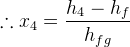
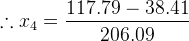

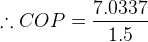
.





.



.






.



Add Answer to:
Oration 3 The problems refer to the ideal vapor compression cycke schematically shown below. This ideal...
Problem-3 (200) In a vapor-compression refrigeration cycle, R134a exits the evaporator as saturated vapor at -32°C....
 Problem-3 (200) In a vapor-compression refrigeration cycle, R134a exits the evaporator as saturated vapor at -32°C. The refrigerant enters the condenser at 14 bar and 170°C, and saturated liquid exits at 14 bar. There is no significant heat transfer between the compressor and its surroundings, and the refrigerant passes through the evaporator with a negligible change in pressure. If the mass flow rate is 2.987 kg/s, determine (a) Refrigeration capacity in KW (100) (b) The power input to the compressor,...
Condenser Compressor An ideal vapor-compression refrigeration cycle is modified to include a counter-flow heat exchanger as...
 Condenser Compressor An ideal vapor-compression refrigeration cycle is modified to include a counter-flow heat exchanger as shown. Refrigerant 134a leaves the evaporator as saturated vapor at 0.10 MPa and is heated at constant pressure to 20°C before entering the compressor. Following isentropic compression to 1.4 MPa, the refrigerant passes through the condenser and exits at 45°C and 1.4 MPa. The liquid then passes through the heat exchanger and enters the expansion valve at 1.4 MPa. The mass flow rate of...
An ideal vapor-compression refrigeration cycle with R-134a as the working fluid has an evaporator temperature of-15...
 An ideal vapor-compression refrigeration cycle with R-134a as the working fluid has an evaporator temperature of-15 °C and a condenser pressure of 12 bar. Saturated vapor enters the compressor, and saturated liquid exits the condenser. The mass flow rate of the refrigerant is 3.5 kg/min. Draw and label the cycle on a T-s diagram. What is the coefficient of performance? Ans. 2.98 What is the refrigerating capacity in tons? a. b. c.
An ideal vapor-compression refrigerant cycle operates at steady state with Refrigerant 134a as the working fluid....
 An ideal vapor-compression refrigerant cycle operates at steady state with Refrigerant 134a as the working fluid. Saturated vapor enters the compressor at -10°C, and saturated liquid leaves the condenser at 28°C. The mass flow rate of refrigerant is 5 kg/min. Determine (a) The compressor power, in kW (b) The refrigerating capacity, in tons. (c) The coefficient of performance. Sketch the system on a T-s diagram with full label. A vapor-compression heat pump with a heating capacity of 500 kJ/min is...
Refrigerant 134a flows through an ideal vapor compression heat pump system with a heating capacity of...
 Refrigerant 134a flows through an ideal vapor compression heat pump system with a heating capacity of 60,000 Btu/hr. The condenser operates at 200 psi, and the evaporator temperature is 0°F. The refrigerant is a saturated vapor at the evaporator exit and a saturated liquid at the condenser exit. The temperature at the compressor exit is 180°F. Assuming the compressor is not 100% isentropic, determine: a) Mass flow rate (lbm/min) b) Compressor power (hp) c) Isentropic compressor efficiency d) Coefficient of...
Refrigerant 134a is the working fluid in an ideal vapor-compression refrigeration cycle. Saturated vapor enters the...
 Refrigerant 134a is the working fluid in an ideal vapor-compression
refrigeration cycle. Saturated vapor enters the compressor at h =
400 J/kg and saturated liquid leaves the condenser at h= 242 J/kg.
If the mass flow rate of the refrigerant is 0.08 kg/s, and
superheated vapor exits the compressor at h = 420 J/kg, pression
work will be equal to 1.6 kW
inch-h) 6.08(420 - 6oo) = 1.6
Refrigerant 134a is the working fluid in an ideal vapor-compression
refrigeration cycle. Saturated vapor enters the compressor at h =
400 J/kg and saturated liquid leaves the condenser at h= 242 J/kg.
If the mass flow rate of the refrigerant is 0.08 kg/s, and
superheated vapor exits the compressor at h = 420 J/kg, pression
work will be equal to 1.6 kW
inch-h) 6.08(420 - 6oo) = 1.6
An ideal vapor-compression refrigeration cycle operates at steady state with Refrigerant 134a as the working fluid....
An ideal vapor-compression refrigeration cycle operates at steady state with Refrigerant 134a as the working fluid. Saturated vapor enters the compressor at 1.25 bar, and saturated liquid exits the condenser at 5 bar. The mass flow rate of refrigerant is 8.5 kg/min. A. Determine the magnitude of the compressor power input required, in kW (report as a positive number). B. Determine the refrigerating capacity, in tons. C. Determine the coefficient of performance. Please answer all parts of the question. Thanks!
Problem #1 [30 Points] Vapor Compression Refrigeration Cycle An ideal vapor compression refrigeration system cycle, with...
 Problem #1 [30 Points] Vapor Compression Refrigeration Cycle An ideal vapor compression refrigeration system cycle, with ammonia as the working fluid, has an evaporator temperature of -20°C and a condenser pressure of 12 bar. Saturated vapor enters the compressor, and saturated liquid exits the condenser. The mass flow rate of refrigerant is 3 kg/minute. Determine the coefficient of performance and the refrigerating capacity in tons. Given: Find: T-s Process Diagram: Schematic Assume:
Thermodynamics. No interpolation needed. Problem #3. Refrigerant 134a is the working fluid for vapor-compression refrigeration cycle....
 Thermodynamics. No interpolation needed.
Problem #3. Refrigerant 134a is the working fluid for vapor-compression refrigeration cycle. The evaporator temperature is 8°C and the condenser pressure is 12 bar. Saturated vapor enters the compressor and superheated vapor enters the condenser at 60°C and exits the condenser as saturated liquid. For a refrigeration capacity of 8 tons or 2.816 x10⁴ J/s determine the following: (1) The refrigerant mass flow rate in kg/s; (2) The compressor isentropic efficiency [Hint: Interpolation is required); (3)...
Thermodynamics. No interpolation needed.
Problem #3. Refrigerant 134a is the working fluid for vapor-compression refrigeration cycle. The evaporator temperature is 8°C and the condenser pressure is 12 bar. Saturated vapor enters the compressor and superheated vapor enters the condenser at 60°C and exits the condenser as saturated liquid. For a refrigeration capacity of 8 tons or 2.816 x10⁴ J/s determine the following: (1) The refrigerant mass flow rate in kg/s; (2) The compressor isentropic efficiency [Hint: Interpolation is required); (3)...
 Problem-3 (200) In a vapor-compression refrigeration cycle, R134a exits the evaporator as saturated vapor at -32°C. The refrigerant enters the condenser at 14 bar and 170°C, and saturated liquid exits at 14 bar. There is no significant heat transfer between the compressor and its surroundings, and the refrigerant passes through the evaporator with a negligible change in pressure. If the mass flow rate is 2.987 kg/s, determine (a) Refrigeration capacity in KW (100) (b) The power input to the compressor,...
 Condenser Compressor An ideal vapor-compression refrigeration cycle is modified to include a counter-flow heat exchanger as shown. Refrigerant 134a leaves the evaporator as saturated vapor at 0.10 MPa and is heated at constant pressure to 20°C before entering the compressor. Following isentropic compression to 1.4 MPa, the refrigerant passes through the condenser and exits at 45°C and 1.4 MPa. The liquid then passes through the heat exchanger and enters the expansion valve at 1.4 MPa. The mass flow rate of...
 An ideal vapor-compression refrigeration cycle with R-134a as the working fluid has an evaporator temperature of-15 °C and a condenser pressure of 12 bar. Saturated vapor enters the compressor, and saturated liquid exits the condenser. The mass flow rate of the refrigerant is 3.5 kg/min. Draw and label the cycle on a T-s diagram. What is the coefficient of performance? Ans. 2.98 What is the refrigerating capacity in tons? a. b. c.
 An ideal vapor-compression refrigerant cycle operates at steady state with Refrigerant 134a as the working fluid. Saturated vapor enters the compressor at -10°C, and saturated liquid leaves the condenser at 28°C. The mass flow rate of refrigerant is 5 kg/min. Determine (a) The compressor power, in kW (b) The refrigerating capacity, in tons. (c) The coefficient of performance. Sketch the system on a T-s diagram with full label. A vapor-compression heat pump with a heating capacity of 500 kJ/min is...
 Refrigerant 134a flows through an ideal vapor compression heat pump system with a heating capacity of 60,000 Btu/hr. The condenser operates at 200 psi, and the evaporator temperature is 0°F. The refrigerant is a saturated vapor at the evaporator exit and a saturated liquid at the condenser exit. The temperature at the compressor exit is 180°F. Assuming the compressor is not 100% isentropic, determine: a) Mass flow rate (lbm/min) b) Compressor power (hp) c) Isentropic compressor efficiency d) Coefficient of...
 Refrigerant 134a is the working fluid in an ideal vapor-compression
refrigeration cycle. Saturated vapor enters the compressor at h =
400 J/kg and saturated liquid leaves the condenser at h= 242 J/kg.
If the mass flow rate of the refrigerant is 0.08 kg/s, and
superheated vapor exits the compressor at h = 420 J/kg, pression
work will be equal to 1.6 kW
inch-h) 6.08(420 - 6oo) = 1.6
Refrigerant 134a is the working fluid in an ideal vapor-compression
refrigeration cycle. Saturated vapor enters the compressor at h =
400 J/kg and saturated liquid leaves the condenser at h= 242 J/kg.
If the mass flow rate of the refrigerant is 0.08 kg/s, and
superheated vapor exits the compressor at h = 420 J/kg, pression
work will be equal to 1.6 kW
inch-h) 6.08(420 - 6oo) = 1.6
 Problem #1 [30 Points] Vapor Compression Refrigeration Cycle An ideal vapor compression refrigeration system cycle, with ammonia as the working fluid, has an evaporator temperature of -20°C and a condenser pressure of 12 bar. Saturated vapor enters the compressor, and saturated liquid exits the condenser. The mass flow rate of refrigerant is 3 kg/minute. Determine the coefficient of performance and the refrigerating capacity in tons. Given: Find: T-s Process Diagram: Schematic Assume:
 Thermodynamics. No interpolation needed.
Problem #3. Refrigerant 134a is the working fluid for vapor-compression refrigeration cycle. The evaporator temperature is 8°C and the condenser pressure is 12 bar. Saturated vapor enters the compressor and superheated vapor enters the condenser at 60°C and exits the condenser as saturated liquid. For a refrigeration capacity of 8 tons or 2.816 x10⁴ J/s determine the following: (1) The refrigerant mass flow rate in kg/s; (2) The compressor isentropic efficiency [Hint: Interpolation is required); (3)...
Thermodynamics. No interpolation needed.
Problem #3. Refrigerant 134a is the working fluid for vapor-compression refrigeration cycle. The evaporator temperature is 8°C and the condenser pressure is 12 bar. Saturated vapor enters the compressor and superheated vapor enters the condenser at 60°C and exits the condenser as saturated liquid. For a refrigeration capacity of 8 tons or 2.816 x10⁴ J/s determine the following: (1) The refrigerant mass flow rate in kg/s; (2) The compressor isentropic efficiency [Hint: Interpolation is required); (3)...
Most questions answered within 3 hours.
-
Where is the error in this code sequence?
String s1 = "Hello";
String s2 = "ello";...
asked 11 months ago -
Financial data for Joel de Paris, Inc., for last year
follow:
Joel de Paris, Inc.
Balance...
asked 11 months ago -
Consider this reaction:
Al2(SO4)3 (aq)+ BaCl3
(aq) Al2Cl6 (aq)- +
3BaSO4(s) . What is the...
asked 11 months ago -
Suppose that Savneet is considering increasing her
recent random sample from 20 car rentals to 40...
asked 11 months ago -
Trucks arrive at an unloading terminal at an average rate of 120
per hour.
Trucks arrive...
asked 11 months ago -
Why are methanol and ethanol completely soluble in water while
octanol is not very little soluble....
asked 11 months ago -
A facilities manager at a university reads in a research report
that the mean amount of...
asked 11 months ago -
When the CuSO4 is rehydrated by adding water to the anhydrous
compound, is this an endothermic...
asked 11 months ago -
A ray of sunlight is passing from diamond into crown glass; the
angle of incidence is...
asked 11 months ago -
A block of mass 0.249 kg is placed on top of a light, vertical
spring of...
asked 11 months ago -
how do the kidneys compensate in the presences of acidosis
a) trigger hyperventilate
b) reserve acid...
asked 11 months ago -
Question 501 pts
The rental rate of capital to the firm increases. Which of the
following...
asked 11 months ago