
Homework Answers
Add Answer to:
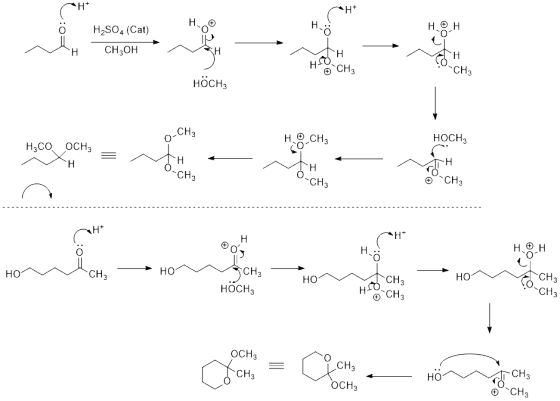
Provide a mechanism for each of the following reactions. Use arrows to indicate the movement of...
4. Provide a mechanism for the following reaction using arrows to indicate the movement of electrons....
 4. Provide a mechanism for the following reaction using arrows to indicate the movement of electrons. Be sure to show necessary lone pair electrons and formal charges. CH CH Br AIBr;
1. Provide the major product(s) that you would obtain in the following reactions. CH,Br وAIBr 2....
 1. Provide the major product(s) that you would obtain in the following reactions. CH,Br وAIBr 2. Provide a mechanism for the following reaction. Use arrows to indicate the movement of electrons. Be sure to show necessary lone pair electrons and formal charges. لملم .هم
5. Provide reasonable step-by-step meehanisms for the following reactions. Use arrows to indicate the movement of...
 5. Provide reasonable step-by-step meehanisms for the following reactions. Use arrows to indicate the movement of electrons. Он Нзб catalytic H2о +
Q7 - Draw the mechanism for the to indicate movement of all electrons, products for each...
 Q7 - Draw the mechanism for the to indicate movement of all electrons, products for each step. In the dotted box write the me a new chiral center is created in the am for the following intramolecular cyclization reaction. Draw all the arrows all electrons, write important lone pairs, all formal charges, and all ed box write the mechanistic element for each transformation. If ated in the product indicate with an asterisk (*), and write racemic in the box. transition...
provide reasonable step-by-step mechanisms for the following reactions. use arrows to indicate the movement of electrons...
 provide reasonable step-by-step mechanisms for the following
reactions. use arrows to indicate the movement of electrons
HBr 0° C ОН cat. NaOH, НО НО (solvent)
provide reasonable step-by-step mechanisms for the following
reactions. use arrows to indicate the movement of electrons
HBr 0° C ОН cat. NaOH, НО НО (solvent)
5. Provide reasonable step-by-step mechanisms for the following reactions. Use arrows to indicate the movement of...
 5. Provide reasonable step-by-step mechanisms for the following reactions. Use arrows to indicate the movement of electrons. cat. NaOCH CH,OH (solvent) cat. NaOH, НО (solvent)
4. Add curved arrows to show the movement of electrons in each of the following reactions....
 4. Add curved arrows to show the movement of electrons in each of the following reactions. Note that you should draw in any lone pairs that are relevant to the mechanism. (a) OCH2 CH3 -O. H + (b) CH3 IN OH CH2 + +
Provide the products generated and demonstrate their generation via a mechanism. Include arrows showing movement of...
 Provide the products generated and demonstrate their generation
via a mechanism. Include arrows showing movement of electrons,
formal and partial charges and free electrons
4. Provide the products generated and demonstrate their generation via a mechanism. Include arrows showing movement of electrons, formal and partial charges and free electrons. A) (26 marks) 2 CH3CH2OH, H+ (26 marks) HOCH CH2OH, H+ C) (27 marks) 1) H2NNH2, H20, NaOH, Heat 2) H20 (11 marks) PPh3 1) BH3, THF 2) H2O2, NaOH, H20
Provide the products generated and demonstrate their generation
via a mechanism. Include arrows showing movement of electrons,
formal and partial charges and free electrons
4. Provide the products generated and demonstrate their generation via a mechanism. Include arrows showing movement of electrons, formal and partial charges and free electrons. A) (26 marks) 2 CH3CH2OH, H+ (26 marks) HOCH CH2OH, H+ C) (27 marks) 1) H2NNH2, H20, NaOH, Heat 2) H20 (11 marks) PPh3 1) BH3, THF 2) H2O2, NaOH, H20
5. Provide reasonable step-by-step mechanisms for the following reactions. Use arrows to indicate the movement of...
 5. Provide reasonable step-by-step mechanisms for the following reactions. Use arrows to indicate the movement of electrons. cat. NaOCH. CH,OH (solvent) de e o sp. Lyra cat. NaOH, HO (solvent)
5. Provide reasonable step-by-step mechanisms for the following reactions. Use arrows to indicate the movement of e...
 5. Provide reasonable step-by-step mechanisms for the following reactions. Use arrows to indicate the movement of electrons. cat. NaOCH CH, OH (solvent) OCH cat. NaOH, H20 (solvent)
 4. Provide a mechanism for the following reaction using arrows to indicate the movement of electrons. Be sure to show necessary lone pair electrons and formal charges. CH CH Br AIBr;
 1. Provide the major product(s) that you would obtain in the following reactions. CH,Br وAIBr 2. Provide a mechanism for the following reaction. Use arrows to indicate the movement of electrons. Be sure to show necessary lone pair electrons and formal charges. لملم .هم
 5. Provide reasonable step-by-step meehanisms for the following reactions. Use arrows to indicate the movement of electrons. Он Нзб catalytic H2о +
 Q7 - Draw the mechanism for the to indicate movement of all electrons, products for each step. In the dotted box write the me a new chiral center is created in the am for the following intramolecular cyclization reaction. Draw all the arrows all electrons, write important lone pairs, all formal charges, and all ed box write the mechanistic element for each transformation. If ated in the product indicate with an asterisk (*), and write racemic in the box. transition...
 provide reasonable step-by-step mechanisms for the following
reactions. use arrows to indicate the movement of electrons
HBr 0° C ОН cat. NaOH, НО НО (solvent)
provide reasonable step-by-step mechanisms for the following
reactions. use arrows to indicate the movement of electrons
HBr 0° C ОН cat. NaOH, НО НО (solvent)
 5. Provide reasonable step-by-step mechanisms for the following reactions. Use arrows to indicate the movement of electrons. cat. NaOCH CH,OH (solvent) cat. NaOH, НО (solvent)
 4. Add curved arrows to show the movement of electrons in each of the following reactions. Note that you should draw in any lone pairs that are relevant to the mechanism. (a) OCH2 CH3 -O. H + (b) CH3 IN OH CH2 + +
 Provide the products generated and demonstrate their generation
via a mechanism. Include arrows showing movement of electrons,
formal and partial charges and free electrons
4. Provide the products generated and demonstrate their generation via a mechanism. Include arrows showing movement of electrons, formal and partial charges and free electrons. A) (26 marks) 2 CH3CH2OH, H+ (26 marks) HOCH CH2OH, H+ C) (27 marks) 1) H2NNH2, H20, NaOH, Heat 2) H20 (11 marks) PPh3 1) BH3, THF 2) H2O2, NaOH, H20
Provide the products generated and demonstrate their generation
via a mechanism. Include arrows showing movement of electrons,
formal and partial charges and free electrons
4. Provide the products generated and demonstrate their generation via a mechanism. Include arrows showing movement of electrons, formal and partial charges and free electrons. A) (26 marks) 2 CH3CH2OH, H+ (26 marks) HOCH CH2OH, H+ C) (27 marks) 1) H2NNH2, H20, NaOH, Heat 2) H20 (11 marks) PPh3 1) BH3, THF 2) H2O2, NaOH, H20
 5. Provide reasonable step-by-step mechanisms for the following reactions. Use arrows to indicate the movement of electrons. cat. NaOCH. CH,OH (solvent) de e o sp. Lyra cat. NaOH, HO (solvent)
 5. Provide reasonable step-by-step mechanisms for the following reactions. Use arrows to indicate the movement of electrons. cat. NaOCH CH, OH (solvent) OCH cat. NaOH, H20 (solvent)
Most questions answered within 3 hours.
-
Where is the error in this code sequence?
String s1 = "Hello";
String s2 = "ello";...
asked 11 months ago -
Financial data for Joel de Paris, Inc., for last year
follow:
Joel de Paris, Inc.
Balance...
asked 11 months ago -
Consider this reaction:
Al2(SO4)3 (aq)+ BaCl3
(aq) Al2Cl6 (aq)- +
3BaSO4(s) . What is the...
asked 11 months ago -
Suppose that Savneet is considering increasing her
recent random sample from 20 car rentals to 40...
asked 11 months ago -
Trucks arrive at an unloading terminal at an average rate of 120
per hour.
Trucks arrive...
asked 11 months ago -
Why are methanol and ethanol completely soluble in water while
octanol is not very little soluble....
asked 11 months ago -
A facilities manager at a university reads in a research report
that the mean amount of...
asked 11 months ago -
When the CuSO4 is rehydrated by adding water to the anhydrous
compound, is this an endothermic...
asked 11 months ago -
A ray of sunlight is passing from diamond into crown glass; the
angle of incidence is...
asked 11 months ago -
A block of mass 0.249 kg is placed on top of a light, vertical
spring of...
asked 11 months ago -
how do the kidneys compensate in the presences of acidosis
a) trigger hyperventilate
b) reserve acid...
asked 11 months ago -
Question 501 pts
The rental rate of capital to the firm increases. Which of the
following...
asked 11 months ago