

Homework Answers
Overhead rate = 5460000/4200000 = 130%
| Beginning WIP | 156800 |
| Direct material | 5600000 |
| Direct labor | 4350000 |
| Overhead (4350000*1.3) | 5655000 |
| Total Cost of WIP | 15761800 |
| Less; Ending WIP (154000+85000+85000*1.3) | -349500 |
| Cost of goods manufactured | 15412300 |
Journal entry
| Transaction | general Journal | Debit | Credit |
| Finished goods | 15412300 | ||
| Work in process | 15412300 | ||
Add Answer to:
Required information [The following information applies to the questions displayed below.) Finlon Upholstery, Inc. uses a...
Required information [The following information applies to the questions displayed below.) Finlon Upholstery, Inc. uses a...
 Required information [The following information applies to the questions displayed below.) Finlon Upholstery, Inc. uses a job-order costing system to accumulate manufacturing costs. The company's work-in- process on December 31, 20x1, consisted of one job (no. 2077), which was carried on the year-end balance sheet at $156,800. There was no finished-goods inventory on this date. Finlon applies manufacturing overhead to production on the basis of direct-labor cost. (The budgeted direct-labor cost is the company's practical capacity, in terms of direct-labor...
Required information [The following information applies to the questions displayed below.) Finlon Upholstery, Inc. uses a...
 Required information [The following information applies to the questions displayed below.) Finlon Upholstery, Inc. uses a job-order costing system to accumulate manufacturing costs. The company's work-in- process on December 31, 20x1, consisted of one job (no. 2077), which was carried on the year-end balance sheet at $156,800. There was no finished-goods inventory on this date. Finlon applies manufacturing overhead to production on the basis of direct-labor cost. (The budgeted direct-labor cost is the company's practical capacity, in terms of direct-labor...
Required information [The following information applies to the questions displayed below.) Finlon Upholstery, Inc. uses a...
 Required information [The following information applies to the questions displayed below.) Finlon Upholstery, Inc. uses a job-order costing system to accumulate manufacturing costs. The company's work-in- process on December 31, 20x1, consisted of one job (no. 2077), which was carried on the year-end balance sheet at $156,800. There was no finished-goods inventory on this date. Finlon applies manufacturing overhead to production on the basis of direct-labor cost. (The budgeted direct-labor cost is the company's practical capacity, in terms of direct-labor...
Required information [The following information applies to the questions displayed below.) Finlon Upholstery, Inc. uses a...
 Required information [The following information applies to the questions displayed below.) Finlon Upholstery, Inc. uses a job-order costing system to accumulate manufacturing costs. The company's work-in- process on December 31, 20x1, consisted of one job (no. 2077), which was carried on the year-end balance sheet at $156,800. There was no finished-goods inventory on this date. Finlon applies manufacturing overhead to production on the basis of direct-labor cost. (The budgeted direct-labor cost is the company's practical capacity, in terms of direct-labor...
Can someone help me reach the correct response to this question? Finlon Upholstery, Inc. uses a...
 Can someone help me reach the correct response to this
question?
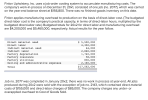
Finlon Upholstery, Inc. uses a job-order costing system to accumulate manufacturing costs. The company's work-in-process on December 31, 20x1, consisted of one job (no. 2077), which was carried on the year-end balance sheet at $156,800. There was no finished-goods inventory on this date. Finlon applies manufacturing overhead to production on the basis of direct-labor cost. (The budgeted direct-labor cost is the company's practical capacity, in terms of direct-labor hours,...
Can someone help me reach the correct response to this
question?
Finlon Upholstery, Inc. uses a job-order costing system to accumulate manufacturing costs. The company's work-in-process on December 31, 20x1, consisted of one job (no. 2077), which was carried on the year-end balance sheet at $156,800. There was no finished-goods inventory on this date. Finlon applies manufacturing overhead to production on the basis of direct-labor cost. (The budgeted direct-labor cost is the company's practical capacity, in terms of direct-labor hours,...
Required information [The following information applies to the questions displayed below.) Finlon Upholstery, Inc. uses a...
 Required information [The following information applies to the questions displayed below.) Finlon Upholstery, Inc. uses a job-order costing system to accumulate manufacturing costs. The company's work-in- process on December 31, 20x1, consisted of one job (no. 2077), which was carried on the year-end balance sheet at $156,800. There was no finished-goods inventory on this date. Finlon applies manufacturing overhead to production on the basis of direct-labor cost. (The budgeted direct-labor cost is the company's practical capacity, in terms of direct-labor...
Can someone help me determine how to complete this journal entry? Finlon Upholstery, Inc. uses a...
 Can someone help me determine how to complete this journal
entry?
Finlon Upholstery, Inc. uses a job-order costing system to accumulate manufacturing costs. The company's work-in- process on December 31, 20x1, consisted of one job (no. 2077), which was carried on the year-end balance sheet at $156,800. There was no finished-goods inventory on this date. Finlon applies manufacturing overhead to production on the basis of direct-labor cost. (The budgeted direct-labor cost is the company's practical capacity, in terms of direct-labor...
Can someone help me determine how to complete this journal
entry?
Finlon Upholstery, Inc. uses a job-order costing system to accumulate manufacturing costs. The company's work-in- process on December 31, 20x1, consisted of one job (no. 2077), which was carried on the year-end balance sheet at $156,800. There was no finished-goods inventory on this date. Finlon applies manufacturing overhead to production on the basis of direct-labor cost. (The budgeted direct-labor cost is the company's practical capacity, in terms of direct-labor...
Finlon Upholstery, Inc. uses a job-order costing system to accumulate manufacturing costs. The company’s work-in-process on...
Finlon Upholstery, Inc. uses a job-order costing system to accumulate manufacturing costs. The company’s work-in-process on December 31, 20x1, consisted of one job (no. 2077), which was carried on the year-end balance sheet at $156,800. There was no finished-goods inventory on this date. Finlon applies manufacturing overhead to production on the basis of direct-labor cost. (The budgeted direct-labor cost is the company’s practical capacity, in terms of direct-labor hours, multiplied by the budgeted direct-labor rate.) Budgeted totals for 20x2 for...
Finlon Upholstery, Inc. uses a job-order costing system to accumulate manufacturing costs. The company’s work-in-process...
Finlon Upholstery, Inc. uses a job-order costing system to accumulate manufacturing costs. The company’s work-in-process on December 31, 20x1, consisted of one job (no. 2077), which was carried on the year-end balance sheet at $156,800. There was no finished-goods inventory on this date. Finlon applies manufacturing overhead to production on the basis of direct-labor cost. (The budgeted direct-labor cost is the company’s practical capacity, in terms of direct-labor hours, multiplied by the budgeted direct-labor rate.) Budgeted totals for 20x2 for...
Can someone help guide me to filling in this journal entry? [The following information applies to...
 Can someone help guide me to filling in this journal entry?
[The following information applies to the questions displayed below.) Finlon Upholstery, Inc. uses a job-order costing system to accumulate manufacturing costs. The company's work-in-process on December 31, 20x1, consisted of one job (no. 2077), which was carried on the year-end balance sheet at $156,800. There was no finished-goods inventory on this date. Finlon applies manufacturing overhead to production on the basis of direct-labor cost. (The budgeted direct-labor cost is...
Can someone help guide me to filling in this journal entry?
[The following information applies to the questions displayed below.) Finlon Upholstery, Inc. uses a job-order costing system to accumulate manufacturing costs. The company's work-in-process on December 31, 20x1, consisted of one job (no. 2077), which was carried on the year-end balance sheet at $156,800. There was no finished-goods inventory on this date. Finlon applies manufacturing overhead to production on the basis of direct-labor cost. (The budgeted direct-labor cost is...
 Required information [The following information applies to the questions displayed below.) Finlon Upholstery, Inc. uses a job-order costing system to accumulate manufacturing costs. The company's work-in- process on December 31, 20x1, consisted of one job (no. 2077), which was carried on the year-end balance sheet at $156,800. There was no finished-goods inventory on this date. Finlon applies manufacturing overhead to production on the basis of direct-labor cost. (The budgeted direct-labor cost is the company's practical capacity, in terms of direct-labor...
 Required information [The following information applies to the questions displayed below.) Finlon Upholstery, Inc. uses a job-order costing system to accumulate manufacturing costs. The company's work-in- process on December 31, 20x1, consisted of one job (no. 2077), which was carried on the year-end balance sheet at $156,800. There was no finished-goods inventory on this date. Finlon applies manufacturing overhead to production on the basis of direct-labor cost. (The budgeted direct-labor cost is the company's practical capacity, in terms of direct-labor...
 Required information [The following information applies to the questions displayed below.) Finlon Upholstery, Inc. uses a job-order costing system to accumulate manufacturing costs. The company's work-in- process on December 31, 20x1, consisted of one job (no. 2077), which was carried on the year-end balance sheet at $156,800. There was no finished-goods inventory on this date. Finlon applies manufacturing overhead to production on the basis of direct-labor cost. (The budgeted direct-labor cost is the company's practical capacity, in terms of direct-labor...
 Required information [The following information applies to the questions displayed below.) Finlon Upholstery, Inc. uses a job-order costing system to accumulate manufacturing costs. The company's work-in- process on December 31, 20x1, consisted of one job (no. 2077), which was carried on the year-end balance sheet at $156,800. There was no finished-goods inventory on this date. Finlon applies manufacturing overhead to production on the basis of direct-labor cost. (The budgeted direct-labor cost is the company's practical capacity, in terms of direct-labor...
 Can someone help me reach the correct response to this
question?
Finlon Upholstery, Inc. uses a job-order costing system to accumulate manufacturing costs. The company's work-in-process on December 31, 20x1, consisted of one job (no. 2077), which was carried on the year-end balance sheet at $156,800. There was no finished-goods inventory on this date. Finlon applies manufacturing overhead to production on the basis of direct-labor cost. (The budgeted direct-labor cost is the company's practical capacity, in terms of direct-labor hours,...
Can someone help me reach the correct response to this
question?
Finlon Upholstery, Inc. uses a job-order costing system to accumulate manufacturing costs. The company's work-in-process on December 31, 20x1, consisted of one job (no. 2077), which was carried on the year-end balance sheet at $156,800. There was no finished-goods inventory on this date. Finlon applies manufacturing overhead to production on the basis of direct-labor cost. (The budgeted direct-labor cost is the company's practical capacity, in terms of direct-labor hours,...
 Required information [The following information applies to the questions displayed below.) Finlon Upholstery, Inc. uses a job-order costing system to accumulate manufacturing costs. The company's work-in- process on December 31, 20x1, consisted of one job (no. 2077), which was carried on the year-end balance sheet at $156,800. There was no finished-goods inventory on this date. Finlon applies manufacturing overhead to production on the basis of direct-labor cost. (The budgeted direct-labor cost is the company's practical capacity, in terms of direct-labor...
 Can someone help me determine how to complete this journal
entry?
Finlon Upholstery, Inc. uses a job-order costing system to accumulate manufacturing costs. The company's work-in- process on December 31, 20x1, consisted of one job (no. 2077), which was carried on the year-end balance sheet at $156,800. There was no finished-goods inventory on this date. Finlon applies manufacturing overhead to production on the basis of direct-labor cost. (The budgeted direct-labor cost is the company's practical capacity, in terms of direct-labor...
Can someone help me determine how to complete this journal
entry?
Finlon Upholstery, Inc. uses a job-order costing system to accumulate manufacturing costs. The company's work-in- process on December 31, 20x1, consisted of one job (no. 2077), which was carried on the year-end balance sheet at $156,800. There was no finished-goods inventory on this date. Finlon applies manufacturing overhead to production on the basis of direct-labor cost. (The budgeted direct-labor cost is the company's practical capacity, in terms of direct-labor...
 Can someone help guide me to filling in this journal entry?
[The following information applies to the questions displayed below.) Finlon Upholstery, Inc. uses a job-order costing system to accumulate manufacturing costs. The company's work-in-process on December 31, 20x1, consisted of one job (no. 2077), which was carried on the year-end balance sheet at $156,800. There was no finished-goods inventory on this date. Finlon applies manufacturing overhead to production on the basis of direct-labor cost. (The budgeted direct-labor cost is...
Can someone help guide me to filling in this journal entry?
[The following information applies to the questions displayed below.) Finlon Upholstery, Inc. uses a job-order costing system to accumulate manufacturing costs. The company's work-in-process on December 31, 20x1, consisted of one job (no. 2077), which was carried on the year-end balance sheet at $156,800. There was no finished-goods inventory on this date. Finlon applies manufacturing overhead to production on the basis of direct-labor cost. (The budgeted direct-labor cost is...
Most questions answered within 3 hours.
-
Where is the error in this code sequence?
String s1 = "Hello";
String s2 = "ello";...
asked 10 months ago -
Financial data for Joel de Paris, Inc., for last year
follow:
Joel de Paris, Inc.
Balance...
asked 10 months ago -
Consider this reaction:
Al2(SO4)3 (aq)+ BaCl3
(aq) Al2Cl6 (aq)- +
3BaSO4(s) . What is the...
asked 10 months ago -
Suppose that Savneet is considering increasing her
recent random sample from 20 car rentals to 40...
asked 10 months ago -
Trucks arrive at an unloading terminal at an average rate of 120
per hour.
Trucks arrive...
asked 10 months ago -
Why are methanol and ethanol completely soluble in water while
octanol is not very little soluble....
asked 10 months ago -
A facilities manager at a university reads in a research report
that the mean amount of...
asked 10 months ago -
When the CuSO4 is rehydrated by adding water to the anhydrous
compound, is this an endothermic...
asked 10 months ago -
A ray of sunlight is passing from diamond into crown glass; the
angle of incidence is...
asked 10 months ago -
A block of mass 0.249 kg is placed on top of a light, vertical
spring of...
asked 10 months ago -
how do the kidneys compensate in the presences of acidosis
a) trigger hyperventilate
b) reserve acid...
asked 10 months ago -
Question 501 pts
The rental rate of capital to the firm increases. Which of the
following...
asked 10 months ago