
Homework Answers
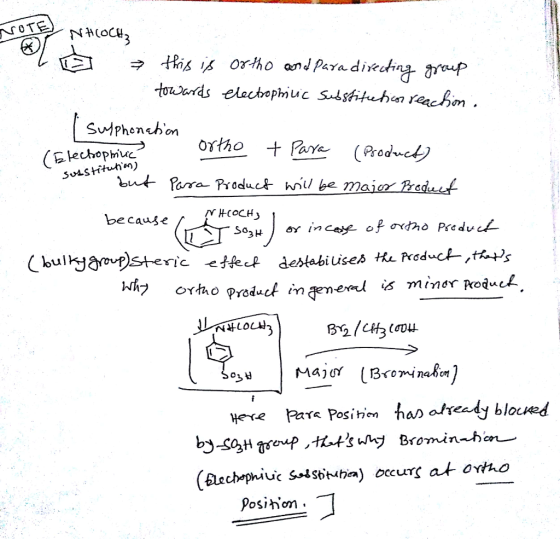
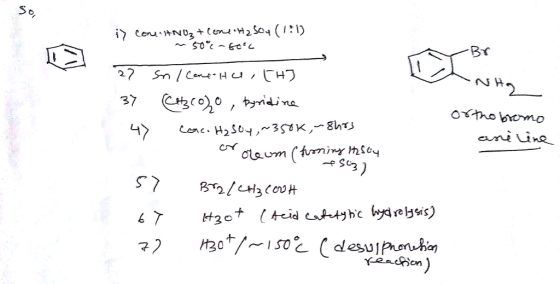
![ostho brono aniuro Insi tahan] -NH2- Sn/cont-HU THJ and Conc. #Soy ben3coe (R-edu choリィniun Mekerial) 25 Performed/ 4ylahn ofaní Lín·towards OOH tudic Brominahon Acetaniude Nwレ B r oleum Psion Peachn aniline](http://img.homeworklib.com/questions/21889760-c4ad-11eb-941a-453594941b08.png?x-oss-process=image/resize,w_560)
Add Answer to:
Please CHOoSE ONE the transformations below and propose a synthetic pathway. You must use the starting...
Propose multistep synthetic route for the following transformations. You can use whatever chemical reagent to facilitate...
 Propose multistep synthetic route for the following transformations. You can use whatever chemical reagent to facilitate the reactions. Detailed reaction condition of solvent or temperature is not needed, but the key reagents must be provided (such as "NaOH", "HCI", "NaBH4", etc.) (16 pt) (1) нохон OO Eto OE (2) *HN co, Ala Leu H* (strong acid) aldol reaction another aldol reaction - 2 H20 tautomerize - H20
Choose two of the following synthesis problems to complete. Propose a synthetic route by clearly indicating...
 Choose two of the following synthesis problems to complete. Propose a synthetic route by clearly indicating the reagents needed and the intermediate products formed. If you do not indicate which problem to grade, the first two will be graded by default. No mechanism is needed. Please grade this problem (A). Br
8. Alcohols are readily available synthetic starting materials. Propose a series of reactions to achieve the...
 8. Alcohols are readily available synthetic starting materials. Propose a series of reactions to achieve the following syntheses starting from alcohols. Clearly show the reagents used for each step and the synthetic intermediates. a. For this synthesis, use the given starting alcohols and any inorganic reagents needed. You may use the two alcohols in separate reactions as needed. M OH + OH ... i
5. 10 points Chose ONE of the following transformations and propose multi-step chemical syntheses for the...
 5. 10 points Chose ONE of the following transformations and propose multi-step chemical syntheses for the product on the right from the starting material provided. All syntheses require more than one step. You can use any reagent with up to four carbons. Show the product for each step in your synthesis. Clearly indicate the problem that you do not wished graded with a giant X. HCCHE
A. Propose a synthesis of compound A starting from dimethyl malonate. When choosing your synthetic steps,...
 A. Propose a synthesis of compound A starting from dimethyl malonate. When choosing your synthetic steps, you can use any hydrocarbon with three or fewer carbon atoms, any solvents or inorganic reagents, and any organic reagents that do not contribute carbon atoms to the carbon skeleton in the product. Clearly show the required reagents and the product of each step. You do not need to show mechanistic (curved) arrows. [6 marks) سوني Dimethyl malonate А
Part II. Solving a Synthesis Problem Propose a synthetic pathway for the transformation shown. Use the...
 Part II. Solving a Synthesis Problem Propose a synthetic pathway for the transformation shown. Use the retrosynthetic problem solving technique introduced in the pre-recitation worksheet for week 2. OH OH 5-6 OF qand Br As we start to learn more reactions, we will begin to solve synthesis problems. Synthesis is critical in organic chemistry as it allows chemists to make complex molecules from available starting materials in as few steps as possible. Beginning at the end or retrosynthetic analysis is...
Synthesis 1. The following transformations cannot be performed in one step. Provide a sequence off reactions...
 Synthesis 1. The following transformations cannot be performed in one step. Provide a sequence off reactions to convert the "starting material to the "product. Show all the reagents and synthetic intermediates. You can use any additional carbon sources if needed, but you must use the starting material given. .Cl H EAODa mess OH Ha0 HO $7 OH CEC-Me ১৯ ) mcPEA OW PAC OH OH -Br LOH HBr percxida
22. Starting with 1-hexene, which synthetic pathway below gives 2-cyanohexane? CN ? (a) HSO. (cat), H20;...
 22. Starting with 1-hexene, which synthetic pathway below gives 2-cyanohexane? CN ? (a) HSO. (cat), H20; then NaCN (b) HBr/peroxide; then NaCN (c) HBr; then NaCN (d) Bry/H_O; then NaCN 23. [9 pts) Write out a complete mechanism for the following transformation: Br CH,CH,OH You 24. (20 pts] Draw the major expected organic product(s) for each of the following reactions. Be sure to indicate stereochemistry when needed. 1) TSCI, Pyr 2) NaB Br HS 1) SOCI. pyridine 2) NaSH OH...
Each of these synthetic sequences has an issue in it. Find the issue and then propose...
 Each of these synthetic sequences has an issue in it. Find the issue and then propose a modified synthesis to obtain the target molecules. It may only require a different reagent! HO i) Me Me Me NaoMe HBr a Br OMe Me HBr Me -Br Naome . Me or O ii) i) Buli ii) Br H2, Pd/C MeOH i) NaOAC Br ii) OMe H2, Pd/C MeOH Оме Meo. Design a synthesis which uses the starting material indicated to synthesize the...
Propose a synthesis of compound B from (R)-2-chlorobutane. When choosing your synthetic steps, you can use...
 Propose a synthesis of compound B from (R)-2-chlorobutane. When choosing your synthetic steps, you can use any hydrocarbon with three or fewer carbon atoms, any solvents or inorganic reagents, and any organic reagents that do not contribute carbon atoms to the carbon skeleton in the product. Clearly show the required reagents and the product of each step. You do not need to show mechanistic (curved) arrows. (R)-2-chlorobutane B
 Propose multistep synthetic route for the following transformations. You can use whatever chemical reagent to facilitate the reactions. Detailed reaction condition of solvent or temperature is not needed, but the key reagents must be provided (such as "NaOH", "HCI", "NaBH4", etc.) (16 pt) (1) нохон OO Eto OE (2) *HN co, Ala Leu H* (strong acid) aldol reaction another aldol reaction - 2 H20 tautomerize - H20
 Choose two of the following synthesis problems to complete. Propose a synthetic route by clearly indicating the reagents needed and the intermediate products formed. If you do not indicate which problem to grade, the first two will be graded by default. No mechanism is needed. Please grade this problem (A). Br
 8. Alcohols are readily available synthetic starting materials. Propose a series of reactions to achieve the following syntheses starting from alcohols. Clearly show the reagents used for each step and the synthetic intermediates. a. For this synthesis, use the given starting alcohols and any inorganic reagents needed. You may use the two alcohols in separate reactions as needed. M OH + OH ... i
 5. 10 points Chose ONE of the following transformations and propose multi-step chemical syntheses for the product on the right from the starting material provided. All syntheses require more than one step. You can use any reagent with up to four carbons. Show the product for each step in your synthesis. Clearly indicate the problem that you do not wished graded with a giant X. HCCHE
 A. Propose a synthesis of compound A starting from dimethyl malonate. When choosing your synthetic steps, you can use any hydrocarbon with three or fewer carbon atoms, any solvents or inorganic reagents, and any organic reagents that do not contribute carbon atoms to the carbon skeleton in the product. Clearly show the required reagents and the product of each step. You do not need to show mechanistic (curved) arrows. [6 marks) سوني Dimethyl malonate А
 Part II. Solving a Synthesis Problem Propose a synthetic pathway for the transformation shown. Use the retrosynthetic problem solving technique introduced in the pre-recitation worksheet for week 2. OH OH 5-6 OF qand Br As we start to learn more reactions, we will begin to solve synthesis problems. Synthesis is critical in organic chemistry as it allows chemists to make complex molecules from available starting materials in as few steps as possible. Beginning at the end or retrosynthetic analysis is...
 Synthesis 1. The following transformations cannot be performed in one step. Provide a sequence off reactions to convert the "starting material to the "product. Show all the reagents and synthetic intermediates. You can use any additional carbon sources if needed, but you must use the starting material given. .Cl H EAODa mess OH Ha0 HO $7 OH CEC-Me ১৯ ) mcPEA OW PAC OH OH -Br LOH HBr percxida
 22. Starting with 1-hexene, which synthetic pathway below gives 2-cyanohexane? CN ? (a) HSO. (cat), H20; then NaCN (b) HBr/peroxide; then NaCN (c) HBr; then NaCN (d) Bry/H_O; then NaCN 23. [9 pts) Write out a complete mechanism for the following transformation: Br CH,CH,OH You 24. (20 pts] Draw the major expected organic product(s) for each of the following reactions. Be sure to indicate stereochemistry when needed. 1) TSCI, Pyr 2) NaB Br HS 1) SOCI. pyridine 2) NaSH OH...
 Each of these synthetic sequences has an issue in it. Find the issue and then propose a modified synthesis to obtain the target molecules. It may only require a different reagent! HO i) Me Me Me NaoMe HBr a Br OMe Me HBr Me -Br Naome . Me or O ii) i) Buli ii) Br H2, Pd/C MeOH i) NaOAC Br ii) OMe H2, Pd/C MeOH Оме Meo. Design a synthesis which uses the starting material indicated to synthesize the...
 Propose a synthesis of compound B from (R)-2-chlorobutane. When choosing your synthetic steps, you can use any hydrocarbon with three or fewer carbon atoms, any solvents or inorganic reagents, and any organic reagents that do not contribute carbon atoms to the carbon skeleton in the product. Clearly show the required reagents and the product of each step. You do not need to show mechanistic (curved) arrows. (R)-2-chlorobutane B
Most questions answered within 3 hours.
-
Where is the error in this code sequence?
String s1 = "Hello";
String s2 = "ello";...
asked 10 months ago -
Financial data for Joel de Paris, Inc., for last year
follow:
Joel de Paris, Inc.
Balance...
asked 10 months ago -
Consider this reaction:
Al2(SO4)3 (aq)+ BaCl3
(aq) Al2Cl6 (aq)- +
3BaSO4(s) . What is the...
asked 10 months ago -
Suppose that Savneet is considering increasing her
recent random sample from 20 car rentals to 40...
asked 10 months ago -
Trucks arrive at an unloading terminal at an average rate of 120
per hour.
Trucks arrive...
asked 10 months ago -
Why are methanol and ethanol completely soluble in water while
octanol is not very little soluble....
asked 10 months ago -
A facilities manager at a university reads in a research report
that the mean amount of...
asked 10 months ago -
When the CuSO4 is rehydrated by adding water to the anhydrous
compound, is this an endothermic...
asked 10 months ago -
A ray of sunlight is passing from diamond into crown glass; the
angle of incidence is...
asked 10 months ago -
A block of mass 0.249 kg is placed on top of a light, vertical
spring of...
asked 10 months ago -
how do the kidneys compensate in the presences of acidosis
a) trigger hyperventilate
b) reserve acid...
asked 10 months ago -
Question 501 pts
The rental rate of capital to the firm increases. Which of the
following...
asked 10 months ago