
Homework Answers
 for your help...you can see
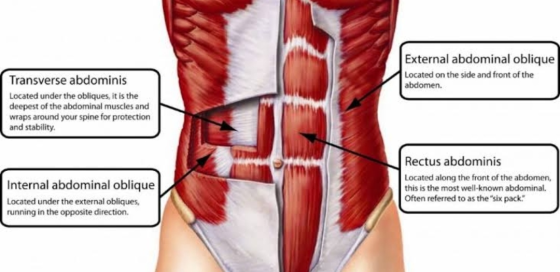
this pic from netter atlas...
for your help...you can see
this pic from netter atlas...
Add Answer to:
Transverse view 1 - Abdomen Question #10: Identify each of the following structures by dragging the...
Which of the following sets of nerves all serve dorsal (extensor) structures? Peroneal, Femoral, Axillary Axillary,...
Which of the following sets of nerves all serve dorsal (extensor) structures? Peroneal, Femoral, Axillary Axillary, Radial, Obturator Peroneal, Radial, Gluteal Musculotaneous, Median, Ulnar Obturator, Median, Musculocutaneous Shortly after an axon is depolarized, it can't function for a brief period of time. This period of time is referred to as: the refractory phase. the action potential. depolarization. the inhibitory phase. lunchtime. The muscles from the neck that are equivalent to the external oblique, internal oblique, and transverses abdominus together are?...
Biol 215 Lab 3 AE Gluteal region Question #5: Identify each of the following structures by...
 Biol 215 Lab 3 AE Gluteal region Question #5: Identify each of the following structures by dragging the name to the correct box. Gluteus maximus lliac crest Gluteus medius Thoracolumbar fascia EN L7 OU Greater trochanter 11 SUBMIT ✓ NAV AS WE
General Review! Muste Recym 11. Identify each lettered muscle in the illustration of the human anterior...
 General Review! Muste Recym 11. Identify each lettered muscle in the illustration of the human anterior superficial musculature by matching its letter with one of the following muscle names 1. adductor longus 2. biceps brachii 3. brachioradialis 4. deltoid 34. tibialis anterior 35. transversus abdominis 36. trapezius 37. triceps brachi 38. vastus lateralis 39. vastus medialis 5. extensor digitorum longus 6. external oblique 7. fibularis longus 8. flexor carpi radialis 40. zygomaticus 9. flexor carpi ulnaris 10. frontal belly of...
question 8 and 10 1. Identify the basic shapes of bacteria and formation under the microscope....
 question 8 and 10
1. Identify the basic shapes of bacteria and formation under the microscope. 2. Describe how bacteria are identified and named under the microscope. 3. Distinguish between Gram positive and Gram negative bacteria. 4. Explain the ways bacteria reproduce themselves. 5. Describe what makes prokaryotic cells different from eukaryotic cells. 6. Identify the internal and external structure of bacteria. 7. Define plasmids and how bacteria use them 8. Describe the 2 categories of bacteria found in the...
question 8 and 10
1. Identify the basic shapes of bacteria and formation under the microscope. 2. Describe how bacteria are identified and named under the microscope. 3. Distinguish between Gram positive and Gram negative bacteria. 4. Explain the ways bacteria reproduce themselves. 5. Describe what makes prokaryotic cells different from eukaryotic cells. 6. Identify the internal and external structure of bacteria. 7. Define plasmids and how bacteria use them 8. Describe the 2 categories of bacteria found in the...
code the following three operative reports assigning the appropriate CPT and ICD-10-CM codes and modifiers. PREOPERATIVE...
code the following three operative reports assigning the appropriate CPT and ICD-10-CM codes and modifiers. PREOPERATIVE DIAGNOSIS: Appendicitis. POSTOPERATIVE DIAGNOSIS: Appendicitis, nonperforated. PROCEDURE PERFORMED: Appendectomy. ANESTHESIA: General endotracheal. PROCEDURE: After informed consent was obtained, the patient was brought to the operative suite and placed supine on the operating table. General endotracheal anesthesia was induced without incident. The patient was prepped and draped in the usual sterile manner. A transverse right lower quadrant incision was made directly over the point of...
please answer question For each of the following structures (a) Give the IUPAC name (b) Identify...
 please answer question
For each of the following structures (a) Give the IUPAC name (b) Identify the leaving group (c) Identify the degree of substitution of the carbon bearing the leaving group. (d) Identify the same carbon as (R) or (S), if applicable. (e) Give the product(s), if any of reaction with NaOH and with NaOCH3 (f) Identify the same carbon as in (e) and (d) in the product as (R) or (S), if applicable (g) Choose the most appropriate...
please answer question
For each of the following structures (a) Give the IUPAC name (b) Identify the leaving group (c) Identify the degree of substitution of the carbon bearing the leaving group. (d) Identify the same carbon as (R) or (S), if applicable. (e) Give the product(s), if any of reaction with NaOH and with NaOCH3 (f) Identify the same carbon as in (e) and (d) in the product as (R) or (S), if applicable (g) Choose the most appropriate...
what is the correct answer 1. Which of the following definitions would best describe asthma? Pulmonary...
what is the correct answer 1. Which of the following definitions would best describe asthma? Pulmonary disease is characterized by a permanent enlargement of the alveoli. Inflammation of the bronchi in the lungs that causes coughing. Long-term inflammatory disease of the lungs characterized by airflow obstruction and bronchospasms. Inflammatory condition of the lung affecting primarily the alveoli. Inflammation of the larynx (voice box). Symptoms often include a hoarse voice and may include fever, cough, pain in the front of the...
7. Read the question carefully and write the proper answers for each question (10 pts) (1) Identify the reagents you...
 7. Read the question carefully and write the proper answers for each question (10 pts) (1) Identify the reagents you would use to achieve each of the following transformations: (6 pts) C. (1) b' HC b d (2) Draw the structures of compounds A to D: (4 pts) A Br 1) Excess NaNH B 2) Ho NaNH C (CH) A B (e)
7. Read the question carefully and write the proper answers for each question (10 pts) (1) Identify the...
7. Read the question carefully and write the proper answers for each question (10 pts) (1) Identify the reagents you would use to achieve each of the following transformations: (6 pts) C. (1) b' HC b d (2) Draw the structures of compounds A to D: (4 pts) A Br 1) Excess NaNH B 2) Ho NaNH C (CH) A B (e)
7. Read the question carefully and write the proper answers for each question (10 pts) (1) Identify the...
overview please help Question 1 (1 point) In a three-level DBMS architecture, the layer that interacts...
 overview please help
Question 1 (1 point) In a three-level DBMS architecture, the layer that interacts directly with the hardware is the level. internal conceptual Ophysical external Question 2 (1 point) The level of a three-level DBMS architecture defines the logical view of the data. external internal conceptual Question 3 (1 point) In a three-level DBMS architecture, the layer that interacts directly with the user is the level. external internal conceptual physical Question 4 (1 point) Each column in a...
overview please help
Question 1 (1 point) In a three-level DBMS architecture, the layer that interacts directly with the hardware is the level. internal conceptual Ophysical external Question 2 (1 point) The level of a three-level DBMS architecture defines the logical view of the data. external internal conceptual Question 3 (1 point) In a three-level DBMS architecture, the layer that interacts directly with the user is the level. external internal conceptual physical Question 4 (1 point) Each column in a...
Q11 Homework. Unanswered Identify each double bond, labeled 1 and 2, in the following structures as...
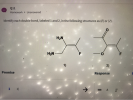 Q11 Homework. Unanswered Identify each double bond, labeled 1 and 2, in the following structures as (E) or (Z). Premise Response 1 1) → = A
 Biol 215 Lab 3 AE Gluteal region Question #5: Identify each of the following structures by dragging the name to the correct box. Gluteus maximus lliac crest Gluteus medius Thoracolumbar fascia EN L7 OU Greater trochanter 11 SUBMIT ✓ NAV AS WE
 General Review! Muste Recym 11. Identify each lettered muscle in the illustration of the human anterior superficial musculature by matching its letter with one of the following muscle names 1. adductor longus 2. biceps brachii 3. brachioradialis 4. deltoid 34. tibialis anterior 35. transversus abdominis 36. trapezius 37. triceps brachi 38. vastus lateralis 39. vastus medialis 5. extensor digitorum longus 6. external oblique 7. fibularis longus 8. flexor carpi radialis 40. zygomaticus 9. flexor carpi ulnaris 10. frontal belly of...
 question 8 and 10
1. Identify the basic shapes of bacteria and formation under the microscope. 2. Describe how bacteria are identified and named under the microscope. 3. Distinguish between Gram positive and Gram negative bacteria. 4. Explain the ways bacteria reproduce themselves. 5. Describe what makes prokaryotic cells different from eukaryotic cells. 6. Identify the internal and external structure of bacteria. 7. Define plasmids and how bacteria use them 8. Describe the 2 categories of bacteria found in the...
question 8 and 10
1. Identify the basic shapes of bacteria and formation under the microscope. 2. Describe how bacteria are identified and named under the microscope. 3. Distinguish between Gram positive and Gram negative bacteria. 4. Explain the ways bacteria reproduce themselves. 5. Describe what makes prokaryotic cells different from eukaryotic cells. 6. Identify the internal and external structure of bacteria. 7. Define plasmids and how bacteria use them 8. Describe the 2 categories of bacteria found in the...
 please answer question
For each of the following structures (a) Give the IUPAC name (b) Identify the leaving group (c) Identify the degree of substitution of the carbon bearing the leaving group. (d) Identify the same carbon as (R) or (S), if applicable. (e) Give the product(s), if any of reaction with NaOH and with NaOCH3 (f) Identify the same carbon as in (e) and (d) in the product as (R) or (S), if applicable (g) Choose the most appropriate...
please answer question
For each of the following structures (a) Give the IUPAC name (b) Identify the leaving group (c) Identify the degree of substitution of the carbon bearing the leaving group. (d) Identify the same carbon as (R) or (S), if applicable. (e) Give the product(s), if any of reaction with NaOH and with NaOCH3 (f) Identify the same carbon as in (e) and (d) in the product as (R) or (S), if applicable (g) Choose the most appropriate...
 7. Read the question carefully and write the proper answers for each question (10 pts) (1) Identify the reagents you would use to achieve each of the following transformations: (6 pts) C. (1) b' HC b d (2) Draw the structures of compounds A to D: (4 pts) A Br 1) Excess NaNH B 2) Ho NaNH C (CH) A B (e)
7. Read the question carefully and write the proper answers for each question (10 pts) (1) Identify the...
7. Read the question carefully and write the proper answers for each question (10 pts) (1) Identify the reagents you would use to achieve each of the following transformations: (6 pts) C. (1) b' HC b d (2) Draw the structures of compounds A to D: (4 pts) A Br 1) Excess NaNH B 2) Ho NaNH C (CH) A B (e)
7. Read the question carefully and write the proper answers for each question (10 pts) (1) Identify the...
 overview please help
Question 1 (1 point) In a three-level DBMS architecture, the layer that interacts directly with the hardware is the level. internal conceptual Ophysical external Question 2 (1 point) The level of a three-level DBMS architecture defines the logical view of the data. external internal conceptual Question 3 (1 point) In a three-level DBMS architecture, the layer that interacts directly with the user is the level. external internal conceptual physical Question 4 (1 point) Each column in a...
overview please help
Question 1 (1 point) In a three-level DBMS architecture, the layer that interacts directly with the hardware is the level. internal conceptual Ophysical external Question 2 (1 point) The level of a three-level DBMS architecture defines the logical view of the data. external internal conceptual Question 3 (1 point) In a three-level DBMS architecture, the layer that interacts directly with the user is the level. external internal conceptual physical Question 4 (1 point) Each column in a...
 Q11 Homework. Unanswered Identify each double bond, labeled 1 and 2, in the following structures as (E) or (Z). Premise Response 1 1) → = A
Most questions answered within 3 hours.
-
Where is the error in this code sequence?
String s1 = "Hello";
String s2 = "ello";...
asked 10 months ago -
Financial data for Joel de Paris, Inc., for last year
follow:
Joel de Paris, Inc.
Balance...
asked 10 months ago -
Consider this reaction:
Al2(SO4)3 (aq)+ BaCl3
(aq) Al2Cl6 (aq)- +
3BaSO4(s) . What is the...
asked 10 months ago -
Suppose that Savneet is considering increasing her
recent random sample from 20 car rentals to 40...
asked 10 months ago -
Trucks arrive at an unloading terminal at an average rate of 120
per hour.
Trucks arrive...
asked 10 months ago -
Why are methanol and ethanol completely soluble in water while
octanol is not very little soluble....
asked 10 months ago -
A facilities manager at a university reads in a research report
that the mean amount of...
asked 10 months ago -
When the CuSO4 is rehydrated by adding water to the anhydrous
compound, is this an endothermic...
asked 10 months ago -
A ray of sunlight is passing from diamond into crown glass; the
angle of incidence is...
asked 10 months ago -
A block of mass 0.249 kg is placed on top of a light, vertical
spring of...
asked 10 months ago -
how do the kidneys compensate in the presences of acidosis
a) trigger hyperventilate
b) reserve acid...
asked 10 months ago -
Question 501 pts
The rental rate of capital to the firm increases. Which of the
following...
asked 10 months ago