
Homework Answers
Add Answer to:
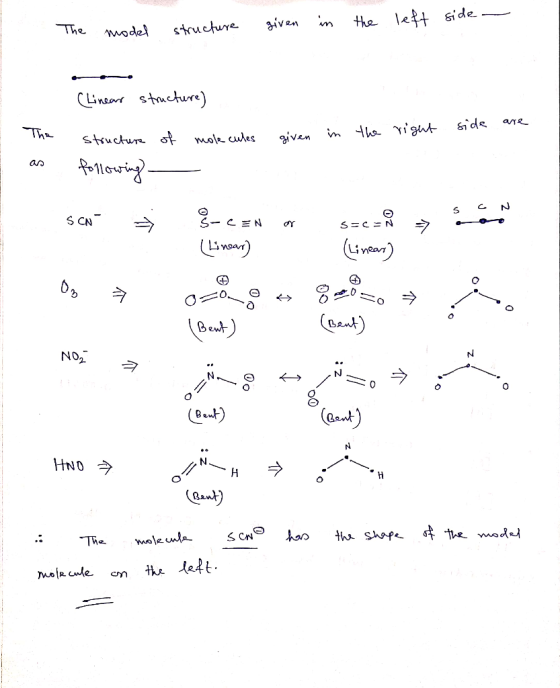
Check the box next to each molecule on the right that has the shape of the...
Examine the molecule below. Check the box next to each functional group the molecule contains. In...
 Examine the molecule below. Check the box next to each
functional group the molecule contains. In the last column, enter
the number of each group next to the functional group names you
selected. If the molecule does not contain a listed functional
group, do not check the box and leave the last column blank.
Select all functional groups present in the molecule How many? alcohol aldehyde alkene HO alkyne amide OH amine arene HO1 carboxylic acid ester ether ketone
Examine the molecule below. Check the box next to each
functional group the molecule contains. In the last column, enter
the number of each group next to the functional group names you
selected. If the molecule does not contain a listed functional
group, do not check the box and leave the last column blank.
Select all functional groups present in the molecule How many? alcohol aldehyde alkene HO alkyne amide OH amine arene HO1 carboxylic acid ester ether ketone
Examine the molecule below. Check the box next to each functional group the molecule contains. In...
 Examine the molecule below. Check the box next to each
functional group the molecule contains. In the last column, enter
the number of each group next to the functional group names you
selected. If the molecule does not contain a listed functional
group, do not check the box and leave the last column blank.
Select all functional groups present in the molecule How many? alcohol aldehyde alkene н alkyne amide amine arene carboxylic acid ester ether ketone O Z
Examine the molecule below. Check the box next to each
functional group the molecule contains. In the last column, enter
the number of each group next to the functional group names you
selected. If the molecule does not contain a listed functional
group, do not check the box and leave the last column blank.
Select all functional groups present in the molecule How many? alcohol aldehyde alkene н alkyne amide amine arene carboxylic acid ester ether ketone O Z
Examine the molecule below. Check the box next to each functional group the molecule contains. In...
 Examine the molecule below. Check the box next to each
functional group the molecule contains. In the last column, enter
the number of each group next to the functional group names you
selected. If the molecule does not contain a listed functional
group, do not check the box and leave the last column blank.
Select all functional groups present in the molecule How many? alcohol aldehyde alkene alkyne amide amine arene carboxylic acid ester ether ketone
Examine the molecule below. Check the box next to each
functional group the molecule contains. In the last column, enter
the number of each group next to the functional group names you
selected. If the molecule does not contain a listed functional
group, do not check the box and leave the last column blank.
Select all functional groups present in the molecule How many? alcohol aldehyde alkene alkyne amide amine arene carboxylic acid ester ether ketone
Examine the molecule below. Check the box next to each functional group the molecule contains. In...
 Examine the molecule below. Check the box next to each
functional group the molecule contains. In the last column, enter
the number of each group next to the functional group names you
selected. If the molecule does not contain a listed functional
group, do not check the box and leave the last column blank.
Select all functional groups present in the molecule How many? alcohol aldehyde alkene HOVA alkyne amide но- amine arene carboxylic acid ester ether ketone
Examine the molecule below. Check the box next to each
functional group the molecule contains. In the last column, enter
the number of each group next to the functional group names you
selected. If the molecule does not contain a listed functional
group, do not check the box and leave the last column blank.
Select all functional groups present in the molecule How many? alcohol aldehyde alkene HOVA alkyne amide но- amine arene carboxylic acid ester ether ketone
Open the Molecule Shapes interactive and select Real Molecules. Check the box to Show Bond Angles....
 Open the Molecule Shapes interactive and select Real Molecules. Check the box to Show Bond Angles. Classify each molecule by whether its real bond angles are the same as or different than its model (ideal) bond angles. In other words, do the bond angles change when you switch between Real and Model mode at the top of the page? Same (angles do not change) Different (angles change) Answer Bank H0 00, 50, XP, BF, CIF, NH, CH, SP, XF, BF,...
5. What is the shape of the molecule, CH20? 6. What is the name of the...
 5. What is the shape of the molecule, CH20? 6. What is the name of the molecule with the formula SFa? 7. Which of the following covalent molecules are polar. Circle all that apply 02 OF2 CH3CI HBr sici 8. Which one of the following atoms has the greatest electronegativity? Sr K Cu Te O Which of the following molecules should dissolve well in vegetable oil, a nonpolar substance Circle all that apply. 9. N2 CH4 HCI PF
hoose the shape that matches each of the following descriptions: Drag the terms on the left...
 hoose the shape that matches each of the following descriptions: Drag the terms on the left to the appropriate blanks on the right. Note: not all terms will be used. Reset Hel A molecule with a central atom that has three electron groups and three bonded atoms: trigonal planar shape tetrahedral bent (120) A molecule with a central atom that has four electron groups and three bonded atoms bent (109) shape linear A molecule vith a central atom that has...
Which of these molecules are polar? Check all that apply. H SO2 cO2 CH2CI2 H PCl...
 Which of these molecules are polar? Check all that apply. H SO2 cO2 CH2CI2 H PCl Next Exit Give Up & View Solution Check Answer Previous Hint Keep in mind that Lewis structures do not necessarily show the correct shape of the molecule. For example, CH Cl2 is not square planar as the Lewis structure might suggest
Select all that apply. Check the box(es) next to the salts that will undergo hydrolysis. KF...
 Select all that apply. Check the box(es) next to the salts that will undergo hydrolysis. KF □ NaNO3 MgSo4 KCN RblI □ Na2CO3 □ CaCl2
Draw three-dimensional depictions of the following molecules. For each molecule provide theoretical bond angles, shape, and...
Draw three-dimensional depictions of the following molecules. For each molecule provide theoretical bond angles, shape, and electron group geometry (ie octahedral, tetrahedral, bent, etc.). For each molecule, provide all possible structural and geometric isomers. If the molecule/ion possesses resonance structures, draw all relevant structures? What is the point group of each structure? If the compound is chiral, draw its enantiomer. NiCl2(NH3)2 (tetrahedral) PCl2F3 NO3-
 Examine the molecule below. Check the box next to each
functional group the molecule contains. In the last column, enter
the number of each group next to the functional group names you
selected. If the molecule does not contain a listed functional
group, do not check the box and leave the last column blank.
Select all functional groups present in the molecule How many? alcohol aldehyde alkene HO alkyne amide OH amine arene HO1 carboxylic acid ester ether ketone
Examine the molecule below. Check the box next to each
functional group the molecule contains. In the last column, enter
the number of each group next to the functional group names you
selected. If the molecule does not contain a listed functional
group, do not check the box and leave the last column blank.
Select all functional groups present in the molecule How many? alcohol aldehyde alkene HO alkyne amide OH amine arene HO1 carboxylic acid ester ether ketone
 Examine the molecule below. Check the box next to each
functional group the molecule contains. In the last column, enter
the number of each group next to the functional group names you
selected. If the molecule does not contain a listed functional
group, do not check the box and leave the last column blank.
Select all functional groups present in the molecule How many? alcohol aldehyde alkene н alkyne amide amine arene carboxylic acid ester ether ketone O Z
Examine the molecule below. Check the box next to each
functional group the molecule contains. In the last column, enter
the number of each group next to the functional group names you
selected. If the molecule does not contain a listed functional
group, do not check the box and leave the last column blank.
Select all functional groups present in the molecule How many? alcohol aldehyde alkene н alkyne amide amine arene carboxylic acid ester ether ketone O Z
 Examine the molecule below. Check the box next to each
functional group the molecule contains. In the last column, enter
the number of each group next to the functional group names you
selected. If the molecule does not contain a listed functional
group, do not check the box and leave the last column blank.
Select all functional groups present in the molecule How many? alcohol aldehyde alkene alkyne amide amine arene carboxylic acid ester ether ketone
Examine the molecule below. Check the box next to each
functional group the molecule contains. In the last column, enter
the number of each group next to the functional group names you
selected. If the molecule does not contain a listed functional
group, do not check the box and leave the last column blank.
Select all functional groups present in the molecule How many? alcohol aldehyde alkene alkyne amide amine arene carboxylic acid ester ether ketone
 Examine the molecule below. Check the box next to each
functional group the molecule contains. In the last column, enter
the number of each group next to the functional group names you
selected. If the molecule does not contain a listed functional
group, do not check the box and leave the last column blank.
Select all functional groups present in the molecule How many? alcohol aldehyde alkene HOVA alkyne amide но- amine arene carboxylic acid ester ether ketone
Examine the molecule below. Check the box next to each
functional group the molecule contains. In the last column, enter
the number of each group next to the functional group names you
selected. If the molecule does not contain a listed functional
group, do not check the box and leave the last column blank.
Select all functional groups present in the molecule How many? alcohol aldehyde alkene HOVA alkyne amide но- amine arene carboxylic acid ester ether ketone
 Open the Molecule Shapes interactive and select Real Molecules. Check the box to Show Bond Angles. Classify each molecule by whether its real bond angles are the same as or different than its model (ideal) bond angles. In other words, do the bond angles change when you switch between Real and Model mode at the top of the page? Same (angles do not change) Different (angles change) Answer Bank H0 00, 50, XP, BF, CIF, NH, CH, SP, XF, BF,...
 5. What is the shape of the molecule, CH20? 6. What is the name of the molecule with the formula SFa? 7. Which of the following covalent molecules are polar. Circle all that apply 02 OF2 CH3CI HBr sici 8. Which one of the following atoms has the greatest electronegativity? Sr K Cu Te O Which of the following molecules should dissolve well in vegetable oil, a nonpolar substance Circle all that apply. 9. N2 CH4 HCI PF
 hoose the shape that matches each of the following descriptions: Drag the terms on the left to the appropriate blanks on the right. Note: not all terms will be used. Reset Hel A molecule with a central atom that has three electron groups and three bonded atoms: trigonal planar shape tetrahedral bent (120) A molecule with a central atom that has four electron groups and three bonded atoms bent (109) shape linear A molecule vith a central atom that has...
 Which of these molecules are polar? Check all that apply. H SO2 cO2 CH2CI2 H PCl Next Exit Give Up & View Solution Check Answer Previous Hint Keep in mind that Lewis structures do not necessarily show the correct shape of the molecule. For example, CH Cl2 is not square planar as the Lewis structure might suggest
 Select all that apply. Check the box(es) next to the salts that will undergo hydrolysis. KF □ NaNO3 MgSo4 KCN RblI □ Na2CO3 □ CaCl2
Most questions answered within 3 hours.
-
Where is the error in this code sequence?
String s1 = "Hello";
String s2 = "ello";...
asked 10 months ago -
Financial data for Joel de Paris, Inc., for last year
follow:
Joel de Paris, Inc.
Balance...
asked 10 months ago -
Consider this reaction:
Al2(SO4)3 (aq)+ BaCl3
(aq) Al2Cl6 (aq)- +
3BaSO4(s) . What is the...
asked 10 months ago -
Suppose that Savneet is considering increasing her
recent random sample from 20 car rentals to 40...
asked 10 months ago -
Trucks arrive at an unloading terminal at an average rate of 120
per hour.
Trucks arrive...
asked 10 months ago -
Why are methanol and ethanol completely soluble in water while
octanol is not very little soluble....
asked 10 months ago -
A facilities manager at a university reads in a research report
that the mean amount of...
asked 10 months ago -
When the CuSO4 is rehydrated by adding water to the anhydrous
compound, is this an endothermic...
asked 10 months ago -
A ray of sunlight is passing from diamond into crown glass; the
angle of incidence is...
asked 10 months ago -
A block of mass 0.249 kg is placed on top of a light, vertical
spring of...
asked 10 months ago -
how do the kidneys compensate in the presences of acidosis
a) trigger hyperventilate
b) reserve acid...
asked 10 months ago -
Question 501 pts
The rental rate of capital to the firm increases. Which of the
following...
asked 10 months ago