An investor placed her money into two hedge funds. The first one led to annual returns...
An investor placed her money into two hedge funds. The first one led to annual returns of 10%, 1%, 1%, 3%, and 9%. The second one lead to annual returns of 8%, 0%, 8%, 8%, and 8%.
Which of the two investments leads to better end results?
Which of the two investments will the investor prefer if she
follows the peak-end rule?
What is the justification for the peak-end rule?
Homework Answers
Request Answer!
We need at least 10 more requests to produce the answer.
0 / 10 have requested this problem solution
The more requests, the faster the answer.
Add Answer to:
An investor placed her money into two hedge funds. The first one
led to annual returns...
Let X and Y represent annual percentage returns of two utility bonds. The joint distribution of X and Y is given below....
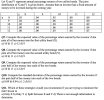 Let X and Y represent annual percentage returns of two utility bonds. The joint distribution of X and Y is given below. Assume that an investor has a fixed amount of money to be invested during the coming year. 10 .03 .03 .00 .00 04. .04 06 .06 04 .00 .02 .20 .02 10 08 08 .00 .04 04. 06 06 12 .00 03 03 04 Q7. Compute the expected value of the percentage return earned by the investor if...
Linda Clark received $210,000 from her mother’s estate. She placed the funds into the hands of...
 Linda Clark received $210,000 from her mother’s estate. She
placed the funds into the hands of a broker, who purchased the
following securities on Linda’s behalf:
a. Common stock was purchased at a cost of $91,000. The stock
paid no dividends, but it was sold for $160,000 at the end of three
years.
b. Preferred stock was purchased at its par value of $46,000.
The stock paid a 4% dividend (based on par value) each year for
three years. At...
Linda Clark received $210,000 from her mother’s estate. She
placed the funds into the hands of a broker, who purchased the
following securities on Linda’s behalf:
a. Common stock was purchased at a cost of $91,000. The stock
paid no dividends, but it was sold for $160,000 at the end of three
years.
b. Preferred stock was purchased at its par value of $46,000.
The stock paid a 4% dividend (based on par value) each year for
three years. At...
Linda Clark received $225,000 from her mother's estate. She placed the funds into the hands of...
 Linda Clark received $225,000 from her mother's estate. She placed the funds into the hands of a broker, who purchased the following securities on Linda's behalf: a. Common stock was purchased at a cost of $96,000. The stock paid no dividends, but it was sold for $165,000 at the end of three years b. Preferred stock was purchased at its par value of $51,000. The stock paid a 4% dividend (based on par value) each year for three years. At...
Compare a two-year bond with two successive one-year bonds in a situation in which an investor...
Compare a two-year bond with two successive one-year bonds in a situation in which an investor buys a one-year bond today and then another one-year bond when the first matures. Suppose that the two-year bond has an interest rate of 8 percent each year. Now consider the pattern of interest rates on the one-year bonds listed below and explain whether an investor should by the two-year bond or the one-year bond today, assuming that the only thing that matters to...
Copii Tomework How does inflation impact returns? In this example, you will see how the Fisher...
 Copii Tomework How does inflation impact returns? In this example, you will see how the Fisher equation can be used to determine the best investment option Suppose Jim has $2,000 to invest and he is not sure what will happen to inflation over the coming year, but the overall market expectation is for inflation to be around 3%. Jim is still uncertain, but he decides to hedge his bets and buy a $1,000 one-year bond paying a 4% annual coupon...
Muffin Megabucks is considering two different savings plans. The first plan would have her deposit $500...
 Muffin Megabucks is considering two different savings plans. The first plan would have her deposit $500 every six months, and she would receive interest at a 7 percent annual rate, compounded semiannually. Under the second plan she would deposit $1,000 every year with a rate of interest of 7.5 percent, compounded annually. The initial deposit with Plan I would be made six months from now and, with Plan 2, one year hence. (a) What is the future (terminal) value of...
Jessica Nekton received $170,000 from her mother's estate. She placed the funds into the hands of...
 Jessica Nekton received $170,000 from her mother's estate. She placed the funds into the hands of a broker, who purchased the following securities on Ms. Nekton's behalf: a cost of $85,000. The stock paid no dividends, but it was sold for a. Common stock was purchased $170.000 at the end of four years. b. Preferred stock was purchased at its par value of $39,000. The stock paid a 9% dividend (based on par value) each year for four years. At...
8. Keri was offered a choice of two payment options to settle her claims in a...
 8. Keri was offered a choice of two payment options to settle her claims in a car accident case. The first option would pay her a single lump payment of 1,500,000 immediately, which she would deposit into an account earning an effective annual interest rate of i. The second option would pay her 4 annual payments of 300,000 with the first payment being made immediately and the final one at time 3. Keri can invest the payments from the second...
Linda Clark received $223,000 from her mother's estate. She placed the funds into the hands of a broker, who purchased the following securities on Linda's behalf a. Common stock was purchase...
 Linda Clark received $223,000 from her mother's estate. She placed the funds into the hands of a broker, who purchased the following securities on Linda's behalf a. Common stock was purchased at a cost of $99,000. The stock paid no dividends, but it was sold for $161,000 at the end of three years. b. Preferred stock was purchased at its par value of $54,000. The stock paid a 6% dividend (based on par value) each year for three years. At...
objective risk excepr: O All fthe following are methods used by ingurance are methods used by...
 objective risk excepr: O All fthe following are methods used by ingurance are methods used by insurance companies to A. safety education programs. C. investment in investment grade securities only D. use of deductibles. selective underwriting of insureds of: 7. A life insurance company needs more liquidity when selling a high proportion A. one-year renewable term policies B. annuities. C, thirty-year term policies D. whole life policies. one of the following statements about universal life insurance is not true? A....
 Let X and Y represent annual percentage returns of two utility bonds. The joint distribution of X and Y is given below. Assume that an investor has a fixed amount of money to be invested during the coming year. 10 .03 .03 .00 .00 04. .04 06 .06 04 .00 .02 .20 .02 10 08 08 .00 .04 04. 06 06 12 .00 03 03 04 Q7. Compute the expected value of the percentage return earned by the investor if...
 Linda Clark received $210,000 from her mother’s estate. She
placed the funds into the hands of a broker, who purchased the
following securities on Linda’s behalf:
a. Common stock was purchased at a cost of $91,000. The stock
paid no dividends, but it was sold for $160,000 at the end of three
years.
b. Preferred stock was purchased at its par value of $46,000.
The stock paid a 4% dividend (based on par value) each year for
three years. At...
Linda Clark received $210,000 from her mother’s estate. She
placed the funds into the hands of a broker, who purchased the
following securities on Linda’s behalf:
a. Common stock was purchased at a cost of $91,000. The stock
paid no dividends, but it was sold for $160,000 at the end of three
years.
b. Preferred stock was purchased at its par value of $46,000.
The stock paid a 4% dividend (based on par value) each year for
three years. At...
 Linda Clark received $225,000 from her mother's estate. She placed the funds into the hands of a broker, who purchased the following securities on Linda's behalf: a. Common stock was purchased at a cost of $96,000. The stock paid no dividends, but it was sold for $165,000 at the end of three years b. Preferred stock was purchased at its par value of $51,000. The stock paid a 4% dividend (based on par value) each year for three years. At...
 Copii Tomework How does inflation impact returns? In this example, you will see how the Fisher equation can be used to determine the best investment option Suppose Jim has $2,000 to invest and he is not sure what will happen to inflation over the coming year, but the overall market expectation is for inflation to be around 3%. Jim is still uncertain, but he decides to hedge his bets and buy a $1,000 one-year bond paying a 4% annual coupon...
 Muffin Megabucks is considering two different savings plans. The first plan would have her deposit $500 every six months, and she would receive interest at a 7 percent annual rate, compounded semiannually. Under the second plan she would deposit $1,000 every year with a rate of interest of 7.5 percent, compounded annually. The initial deposit with Plan I would be made six months from now and, with Plan 2, one year hence. (a) What is the future (terminal) value of...
 Jessica Nekton received $170,000 from her mother's estate. She placed the funds into the hands of a broker, who purchased the following securities on Ms. Nekton's behalf: a cost of $85,000. The stock paid no dividends, but it was sold for a. Common stock was purchased $170.000 at the end of four years. b. Preferred stock was purchased at its par value of $39,000. The stock paid a 9% dividend (based on par value) each year for four years. At...
 8. Keri was offered a choice of two payment options to settle her claims in a car accident case. The first option would pay her a single lump payment of 1,500,000 immediately, which she would deposit into an account earning an effective annual interest rate of i. The second option would pay her 4 annual payments of 300,000 with the first payment being made immediately and the final one at time 3. Keri can invest the payments from the second...
 Linda Clark received $223,000 from her mother's estate. She placed the funds into the hands of a broker, who purchased the following securities on Linda's behalf a. Common stock was purchased at a cost of $99,000. The stock paid no dividends, but it was sold for $161,000 at the end of three years. b. Preferred stock was purchased at its par value of $54,000. The stock paid a 6% dividend (based on par value) each year for three years. At...
 objective risk excepr: O All fthe following are methods used by ingurance are methods used by insurance companies to A. safety education programs. C. investment in investment grade securities only D. use of deductibles. selective underwriting of insureds of: 7. A life insurance company needs more liquidity when selling a high proportion A. one-year renewable term policies B. annuities. C, thirty-year term policies D. whole life policies. one of the following statements about universal life insurance is not true? A....
Most questions answered within 3 hours.
-
Where is the error in this code sequence?
String s1 = "Hello";
String s2 = "ello";...
asked 11 months ago -
Financial data for Joel de Paris, Inc., for last year
follow:
Joel de Paris, Inc.
Balance...
asked 11 months ago -
Consider this reaction:
Al2(SO4)3 (aq)+ BaCl3
(aq) Al2Cl6 (aq)- +
3BaSO4(s) . What is the...
asked 11 months ago -
Suppose that Savneet is considering increasing her
recent random sample from 20 car rentals to 40...
asked 11 months ago -
Trucks arrive at an unloading terminal at an average rate of 120
per hour.
Trucks arrive...
asked 11 months ago -
Why are methanol and ethanol completely soluble in water while
octanol is not very little soluble....
asked 11 months ago -
A facilities manager at a university reads in a research report
that the mean amount of...
asked 11 months ago -
When the CuSO4 is rehydrated by adding water to the anhydrous
compound, is this an endothermic...
asked 11 months ago -
A ray of sunlight is passing from diamond into crown glass; the
angle of incidence is...
asked 11 months ago -
A block of mass 0.249 kg is placed on top of a light, vertical
spring of...
asked 11 months ago -
how do the kidneys compensate in the presences of acidosis
a) trigger hyperventilate
b) reserve acid...
asked 11 months ago -
Question 501 pts
The rental rate of capital to the firm increases. Which of the
following...
asked 11 months ago