
Homework Answers
By right hand thumb rule the magnetic field due to the wires at A will be given as-

Now we know that the magnetic field due to an infinitely current carrying wire is given as
B =  I/2
I/2 r
r
Now the distance of A from both the wires is given as r = (a2 + b2)1/2 = 1.0373 cm
The angle made by the magnetic field from vertical will be
 for I2 and I1.
Now calculating the magnetic field in x-y direction we have;
Bx = -I1/2r
x sin
-
I2/2r
x sin
=> I1 + I2 = -Bx2r/sin
.............(i)
By =
I1/2r
x cos
-
I2/2r
x cos
=> I1 - I2 = By2r/cos
..............(ii)
From the above equations;
I1 = Byr/cos
-Bxr/sin
I2 = -Byr/cos
-Bxr/sin
Now from the triangle you can see tan
= b/a => tan
= 0.347
sin
= 0.3278
cos
= 0.945
Thus,
I1 = 5.567 A
I2 = 1.395 A
Add Answer to:
Two parallel long (infinite for our purposes) wires are oriented along the z-axis. The figure below...
Two parallel long (infinite for our purposes) wires are oriented along the z-axis. The figure below...
 Two parallel long (infinite for our purposes) wires are oriented
along the z-axis. The figure below shows the
(xy)-plane perpendicular to the wires, including
the positions where the wires cross this plane. The wires carry
some unknown electric currents I1 and
I2, which you need to find from a
single measurement of the magnetic field
B=Bxi
+
Byj
at point A, whose position in the plane is also indicated. We will
treat the currents algebraically: the current I
is positive...
Two parallel long (infinite for our purposes) wires are oriented
along the z-axis. The figure below shows the
(xy)-plane perpendicular to the wires, including
the positions where the wires cross this plane. The wires carry
some unknown electric currents I1 and
I2, which you need to find from a
single measurement of the magnetic field
B=Bxi
+
Byj
at point A, whose position in the plane is also indicated. We will
treat the currents algebraically: the current I
is positive...
Two parallel long (infinite for our purposes) wires are oriented along the z-axis. The figure below...
 Two parallel long (infinite for our purposes) wires are oriented
along the z-axis. The figure below shows the
(xy)-plane perpendicular to the wires, including
the positions where the wires cross this plane. The wires carry
some unknown electric currents I1 and
I2, which you need to find from a
single measurement of the magnetic field
B=Bxi
+
Byj
at point A, whose position in the plane is also indicated. We will
treat the currents algebraically: the current I
is positive...
Two parallel long (infinite for our purposes) wires are oriented
along the z-axis. The figure below shows the
(xy)-plane perpendicular to the wires, including
the positions where the wires cross this plane. The wires carry
some unknown electric currents I1 and
I2, which you need to find from a
single measurement of the magnetic field
B=Bxi
+
Byj
at point A, whose position in the plane is also indicated. We will
treat the currents algebraically: the current I
is positive...
Two parallel long (infinite for our purposes) wires are oriented along the z-axis. The figure below...
 Two parallel long (infinite for our purposes) wires are oriented
along the z-axis. The figure below shows the
(xy)-plane perpendicular to the wires, including
the positions where the wires cross this plane. The wires carry
some unknown electric currents I1 and
I2, which you need to find from a
single measurement of the magnetic field
B=Bxi
+
Byj
at point A, whose position in the plane is also indicated. We will
treat the currents algebraically: the current I
is positive...
Two parallel long (infinite for our purposes) wires are oriented
along the z-axis. The figure below shows the
(xy)-plane perpendicular to the wires, including
the positions where the wires cross this plane. The wires carry
some unknown electric currents I1 and
I2, which you need to find from a
single measurement of the magnetic field
B=Bxi
+
Byj
at point A, whose position in the plane is also indicated. We will
treat the currents algebraically: the current I
is positive...
Two parallel long (infinite for our purposes) wires are oriented along the z-axis. The figure below...
 Two parallel long (infinite for our purposes) wires are oriented along the z-axis. The figure below shows the (xy)-plane perpendicular to the wires, including the positions where the wires cross this plane. The wires carry some unknown electric currents 11 and 12, which you need to find from a single measurement of the magnetic field B=Bx i + By j at point A, whose position in the plane is also indicated. We will treat the currents algebraically: the current I...
Two parallel long (infinite for our purposes) wires are oriented along the z-axis. The figure below...
 Two parallel long (infinite for our purposes) wires are oriented along the z-axis. The figure below shows the (xy)-plane perpendicular to the wires, including the positions where the wires cross this plane. The wires carry some unknown electric currents 11 and 12, which you need to find from a single measurement of the magnetic field B=By i + By j at point A, whose position in the plane is also indicated. We will treat the currents algebraically: the current I...
Two parallel long (infinite for our purposes) wires are oriented along the z-axis. The figure below...
 Two parallel long (infinite for our purposes) wires are oriented along the z-axis. The figure below shows the (xy)-plane perpendicular to the wires, including the positions where the wires cross this plane. The wires carry some unknown electric currents 11 and 12, which you need to find from a single measurement of the magnetic field B=Bx i + By j at point A, whose position in the plane is also indicated. We will treat the currents algebraically: the current I...
Two parallel long (infinite for our purposes) wires are oriented along the z-axis. The figure below...
 Two parallel long (infinite for our purposes) wires are oriented
along the z-axis. The figure below shows the
(xy)-plane perpendicular to the wires, including
the positions where the wires cross this plane. The wires carry
some unknown electric currents I1 and
I2, which you need to find from a
single measurement of the magnetic field
B=Bxi
+
Byj
at point A, whose position in the plane is also indicated. We will
treat the currents algebraically: the current I
is positive...
Two parallel long (infinite for our purposes) wires are oriented
along the z-axis. The figure below shows the
(xy)-plane perpendicular to the wires, including
the positions where the wires cross this plane. The wires carry
some unknown electric currents I1 and
I2, which you need to find from a
single measurement of the magnetic field
B=Bxi
+
Byj
at point A, whose position in the plane is also indicated. We will
treat the currents algebraically: the current I
is positive...
Two parallel long (infinite for our purposes) wires are oriented along the z-axis. The figure below...
 Two parallel long (infinite for our purposes) wires are oriented along the z-axis. The figure below shows the (xy)-plane perpendicular to the wires, including the positions where the wires cross this plane. The wires carry some unknown electric currents 11 and 12, which you need to find from a single measurement of the magnetic field B=Bx i + By j at point A, whose position in the plane is also indicated. We will treat the currents algebraically: the current I...
Two parallel long (Infinite for our purposes) wires are oriented along the z-axls. The figure below...
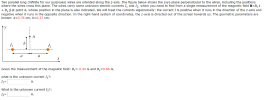 Two parallel long (Infinite for our purposes) wires are oriented along the z-axls. The figure below shows the (xy)-plane perpendicular to the wires, including the positions where the wires cross this plane. The wires carry some unknown electric currents 11 and 12, which you need to find from a single measurement of the magnetic field B=BXİ + By j at point A, whose position in the plane is also indicated. We will treat the currents algebraically: the current I Is...
Two parallel long (infinite for our purposes) wires are oriented along the z- axis. The figure...
 Two parallel long (infinite for our purposes) wires are oriented along the z- axis. The figure below shows the (xy)-plane perpendicular to the wires, including the positions where the wires cross this plane. The wires carry some unknown electric currents 11 and 12, which you need to find from a single measurement of the magnetic field B=By i + By j at point A, whose position in the plane is also indicated. We will treat the currents algebraically: the current...
 Two parallel long (infinite for our purposes) wires are oriented
along the z-axis. The figure below shows the
(xy)-plane perpendicular to the wires, including
the positions where the wires cross this plane. The wires carry
some unknown electric currents I1 and
I2, which you need to find from a
single measurement of the magnetic field
B=Bxi
+
Byj
at point A, whose position in the plane is also indicated. We will
treat the currents algebraically: the current I
is positive...
Two parallel long (infinite for our purposes) wires are oriented
along the z-axis. The figure below shows the
(xy)-plane perpendicular to the wires, including
the positions where the wires cross this plane. The wires carry
some unknown electric currents I1 and
I2, which you need to find from a
single measurement of the magnetic field
B=Bxi
+
Byj
at point A, whose position in the plane is also indicated. We will
treat the currents algebraically: the current I
is positive...
 Two parallel long (infinite for our purposes) wires are oriented
along the z-axis. The figure below shows the
(xy)-plane perpendicular to the wires, including
the positions where the wires cross this plane. The wires carry
some unknown electric currents I1 and
I2, which you need to find from a
single measurement of the magnetic field
B=Bxi
+
Byj
at point A, whose position in the plane is also indicated. We will
treat the currents algebraically: the current I
is positive...
Two parallel long (infinite for our purposes) wires are oriented
along the z-axis. The figure below shows the
(xy)-plane perpendicular to the wires, including
the positions where the wires cross this plane. The wires carry
some unknown electric currents I1 and
I2, which you need to find from a
single measurement of the magnetic field
B=Bxi
+
Byj
at point A, whose position in the plane is also indicated. We will
treat the currents algebraically: the current I
is positive...
 Two parallel long (infinite for our purposes) wires are oriented
along the z-axis. The figure below shows the
(xy)-plane perpendicular to the wires, including
the positions where the wires cross this plane. The wires carry
some unknown electric currents I1 and
I2, which you need to find from a
single measurement of the magnetic field
B=Bxi
+
Byj
at point A, whose position in the plane is also indicated. We will
treat the currents algebraically: the current I
is positive...
Two parallel long (infinite for our purposes) wires are oriented
along the z-axis. The figure below shows the
(xy)-plane perpendicular to the wires, including
the positions where the wires cross this plane. The wires carry
some unknown electric currents I1 and
I2, which you need to find from a
single measurement of the magnetic field
B=Bxi
+
Byj
at point A, whose position in the plane is also indicated. We will
treat the currents algebraically: the current I
is positive...
 Two parallel long (infinite for our purposes) wires are oriented along the z-axis. The figure below shows the (xy)-plane perpendicular to the wires, including the positions where the wires cross this plane. The wires carry some unknown electric currents 11 and 12, which you need to find from a single measurement of the magnetic field B=Bx i + By j at point A, whose position in the plane is also indicated. We will treat the currents algebraically: the current I...
 Two parallel long (infinite for our purposes) wires are oriented along the z-axis. The figure below shows the (xy)-plane perpendicular to the wires, including the positions where the wires cross this plane. The wires carry some unknown electric currents 11 and 12, which you need to find from a single measurement of the magnetic field B=By i + By j at point A, whose position in the plane is also indicated. We will treat the currents algebraically: the current I...
 Two parallel long (infinite for our purposes) wires are oriented along the z-axis. The figure below shows the (xy)-plane perpendicular to the wires, including the positions where the wires cross this plane. The wires carry some unknown electric currents 11 and 12, which you need to find from a single measurement of the magnetic field B=Bx i + By j at point A, whose position in the plane is also indicated. We will treat the currents algebraically: the current I...
 Two parallel long (infinite for our purposes) wires are oriented
along the z-axis. The figure below shows the
(xy)-plane perpendicular to the wires, including
the positions where the wires cross this plane. The wires carry
some unknown electric currents I1 and
I2, which you need to find from a
single measurement of the magnetic field
B=Bxi
+
Byj
at point A, whose position in the plane is also indicated. We will
treat the currents algebraically: the current I
is positive...
Two parallel long (infinite for our purposes) wires are oriented
along the z-axis. The figure below shows the
(xy)-plane perpendicular to the wires, including
the positions where the wires cross this plane. The wires carry
some unknown electric currents I1 and
I2, which you need to find from a
single measurement of the magnetic field
B=Bxi
+
Byj
at point A, whose position in the plane is also indicated. We will
treat the currents algebraically: the current I
is positive...
 Two parallel long (infinite for our purposes) wires are oriented along the z-axis. The figure below shows the (xy)-plane perpendicular to the wires, including the positions where the wires cross this plane. The wires carry some unknown electric currents 11 and 12, which you need to find from a single measurement of the magnetic field B=Bx i + By j at point A, whose position in the plane is also indicated. We will treat the currents algebraically: the current I...
 Two parallel long (Infinite for our purposes) wires are oriented along the z-axls. The figure below shows the (xy)-plane perpendicular to the wires, including the positions where the wires cross this plane. The wires carry some unknown electric currents 11 and 12, which you need to find from a single measurement of the magnetic field B=BXİ + By j at point A, whose position in the plane is also indicated. We will treat the currents algebraically: the current I Is...
 Two parallel long (infinite for our purposes) wires are oriented along the z- axis. The figure below shows the (xy)-plane perpendicular to the wires, including the positions where the wires cross this plane. The wires carry some unknown electric currents 11 and 12, which you need to find from a single measurement of the magnetic field B=By i + By j at point A, whose position in the plane is also indicated. We will treat the currents algebraically: the current...
Most questions answered within 3 hours.
-
Where is the error in this code sequence?
String s1 = "Hello";
String s2 = "ello";...
asked 10 months ago -
Financial data for Joel de Paris, Inc., for last year
follow:
Joel de Paris, Inc.
Balance...
asked 10 months ago -
Consider this reaction:
Al2(SO4)3 (aq)+ BaCl3
(aq) Al2Cl6 (aq)- +
3BaSO4(s) . What is the...
asked 10 months ago -
Suppose that Savneet is considering increasing her
recent random sample from 20 car rentals to 40...
asked 10 months ago -
Trucks arrive at an unloading terminal at an average rate of 120
per hour.
Trucks arrive...
asked 10 months ago -
Why are methanol and ethanol completely soluble in water while
octanol is not very little soluble....
asked 10 months ago -
A facilities manager at a university reads in a research report
that the mean amount of...
asked 10 months ago -
When the CuSO4 is rehydrated by adding water to the anhydrous
compound, is this an endothermic...
asked 10 months ago -
A ray of sunlight is passing from diamond into crown glass; the
angle of incidence is...
asked 10 months ago -
A block of mass 0.249 kg is placed on top of a light, vertical
spring of...
asked 10 months ago -
how do the kidneys compensate in the presences of acidosis
a) trigger hyperventilate
b) reserve acid...
asked 10 months ago -
Question 501 pts
The rental rate of capital to the firm increases. Which of the
following...
asked 10 months ago