
Homework Answers
Answer: 106-Charophytes
Reason- it is a green algae. It doesn't produces embryo.
107- Bryophytes
Reason- Bryophytes are different with charophytes as they reproduces through embryo in their diplontic part of life cycle.
108- Lycophytes
Reason- Lycophytes, also known as the 'fern allies'. They present vascular plants and present with microphylls (leaves).They are primitive plants and lack seeds, wood, fruit and flowers.
109- Gymnosperms
Reason- These are vascular plants that produces naked seeds but lack flowers.
110- Angiosperms
Reason- Angiosperms are vascular plants with seed production, flowers and fruit.
Add Answer to:
Plants Lycophyte Angiosperms Bryophyte Charophytes Gymnosperms 106. 107. 108. Embryos 109. Vascular Seeds 110. Flowers
What do botanists call plants that form flowers and seeds through the sexual process that allows...
What do botanists call plants that form flowers and seeds through the sexual process that allows more mixing of genes and evolution to proceed more quickly? 1. Sexualphores 2. Spermatophores 3. Angiosperms 4. Gymnosperms
82 96 99 102 103 103 106 107 108 108 108 108 109 110 110 111...
 82
96
99
102
103
103
106
107
108
108
108
108
109
110
110
111
113
113
113
113
115
115
118
118
119
121
122
122
127
132
136
140
146
-- g a wversity mo school a. Calcualte a point estimate of the mean value of IQ for the population of first graders at this school What estimator did you use? b. Calculate a point estimate of the IW value that separates the lowert 50% of all...
82
96
99
102
103
103
106
107
108
108
108
108
109
110
110
111
113
113
113
113
115
115
118
118
119
121
122
122
127
132
136
140
146
-- g a wversity mo school a. Calcualte a point estimate of the mean value of IQ for the population of first graders at this school What estimator did you use? b. Calculate a point estimate of the IW value that separates the lowert 50% of all...
For lower and higher plants do you know what groups have stomata, vascular tissues, seeds, heterospory...
For lower and higher plants do you know what groups have stomata, vascular tissues, seeds, heterospory or homospory, flowers? Do you know the flower parts, what nurses the embryo, what are the gametophytes in angiosperms?
Classification Worksheet PLANTS 1010 BELOW GROUP PROTECT FULLY THE cuncu NAME, INSERT VASCULAR FUNCTIONING STOMATA? COMMONNAIEMBRYOT...
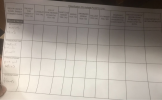 Classification Worksheet PLANTS 1010 BELOW GROUP PROTECT FULLY THE cuncu NAME, INSERT VASCULAR FUNCTIONING STOMATA? COMMONNAIEMBRYOT YES/NOI TES/NO YES/NO TISSUE SEEDS SWIMMING YES NO YES/NO! SPERM? YES/NO POLLENY FLOWERS GENERATION YES/NO YES/NO SPOROPHYTE/ GAMETOPHYTE SEOROMY GAMTOY MAJOK GROUP BRYOPHYTES Callies PTERIDOPHYTES 11 medless Nus plants GYMNOSPERMS pine and ANGIOSPERMS flowns
Describe the procedures described throughout this laborotory activity: 10.1 Flowers external: 10 Seed Plants II: Angiosperms...
 Describe the procedures described throughout this laborotory
activity:
10.1 Flowers external:
10 Seed Plants II: Angiosperms After completing this exercise, you will be able to 1. define heterosporous, angiosperm, fruit, pollination, double fertiliation, endosperm, aeed, germina tion, annual, biennial, perennial 2. describe the significanceo 3. identify the structures of the flower: 4. recognize the structures and events (those in boldface) that take place in angiosperm reproduction; 5. describe the origin and function of fruit and seed; 6. identify the characteristics...
Describe the procedures described throughout this laborotory
activity:
10.1 Flowers external:
10 Seed Plants II: Angiosperms After completing this exercise, you will be able to 1. define heterosporous, angiosperm, fruit, pollination, double fertiliation, endosperm, aeed, germina tion, annual, biennial, perennial 2. describe the significanceo 3. identify the structures of the flower: 4. recognize the structures and events (those in boldface) that take place in angiosperm reproduction; 5. describe the origin and function of fruit and seed; 6. identify the characteristics...
1. Name the closest relatives to the land plants. 2. List advantages and problems faced by...
1. Name the closest relatives to the land plants. 2. List advantages and problems faced by early plants when they started colonizing terrestrial habitats. 3. List all the similarities that all current land plants share with charophytes. What distinguishes modern plants from charophytes? 4. Plants can be classified based on the presence or absence of___________________. Nonvascular plants are called…… 5. Which form dominates the nonvascular plant life cycle? Which form is dominant for vascular plants? 6. Which additional characteristics are...
MONDAY TUESDAYWEDNESDAYTHURSDAY FRIDAY SATURDAYSUNDAY 109 100 104 106 112 110 112 110 110 113 110 108 109 110 110 1...
 MONDAY TUESDAYWEDNESDAYTHURSDAY FRIDAY SATURDAYSUNDAY 109 100 104 106 112 110 112 110 110 113 110 108 109 110 110 105 109 112 108 11. A study is conducted to investigate the weights of the super-size protein bars produced by a local manufacturer Each wrapper indicates a weight of 110 grams, but complaints have recently been made that the bars are being produced underweight. A sample is taken 4 times per day over the course of a week (n=4, m-7). (2...
 82
96
99
102
103
103
106
107
108
108
108
108
109
110
110
111
113
113
113
113
115
115
118
118
119
121
122
122
127
132
136
140
146
-- g a wversity mo school a. Calcualte a point estimate of the mean value of IQ for the population of first graders at this school What estimator did you use? b. Calculate a point estimate of the IW value that separates the lowert 50% of all...
82
96
99
102
103
103
106
107
108
108
108
108
109
110
110
111
113
113
113
113
115
115
118
118
119
121
122
122
127
132
136
140
146
-- g a wversity mo school a. Calcualte a point estimate of the mean value of IQ for the population of first graders at this school What estimator did you use? b. Calculate a point estimate of the IW value that separates the lowert 50% of all...
 Classification Worksheet PLANTS 1010 BELOW GROUP PROTECT FULLY THE cuncu NAME, INSERT VASCULAR FUNCTIONING STOMATA? COMMONNAIEMBRYOT YES/NOI TES/NO YES/NO TISSUE SEEDS SWIMMING YES NO YES/NO! SPERM? YES/NO POLLENY FLOWERS GENERATION YES/NO YES/NO SPOROPHYTE/ GAMETOPHYTE SEOROMY GAMTOY MAJOK GROUP BRYOPHYTES Callies PTERIDOPHYTES 11 medless Nus plants GYMNOSPERMS pine and ANGIOSPERMS flowns
 Describe the procedures described throughout this laborotory
activity:
10.1 Flowers external:
10 Seed Plants II: Angiosperms After completing this exercise, you will be able to 1. define heterosporous, angiosperm, fruit, pollination, double fertiliation, endosperm, aeed, germina tion, annual, biennial, perennial 2. describe the significanceo 3. identify the structures of the flower: 4. recognize the structures and events (those in boldface) that take place in angiosperm reproduction; 5. describe the origin and function of fruit and seed; 6. identify the characteristics...
Describe the procedures described throughout this laborotory
activity:
10.1 Flowers external:
10 Seed Plants II: Angiosperms After completing this exercise, you will be able to 1. define heterosporous, angiosperm, fruit, pollination, double fertiliation, endosperm, aeed, germina tion, annual, biennial, perennial 2. describe the significanceo 3. identify the structures of the flower: 4. recognize the structures and events (those in boldface) that take place in angiosperm reproduction; 5. describe the origin and function of fruit and seed; 6. identify the characteristics...
 MONDAY TUESDAYWEDNESDAYTHURSDAY FRIDAY SATURDAYSUNDAY 109 100 104 106 112 110 112 110 110 113 110 108 109 110 110 105 109 112 108 11. A study is conducted to investigate the weights of the super-size protein bars produced by a local manufacturer Each wrapper indicates a weight of 110 grams, but complaints have recently been made that the bars are being produced underweight. A sample is taken 4 times per day over the course of a week (n=4, m-7). (2...
Most questions answered within 3 hours.
-
Where is the error in this code sequence?
String s1 = "Hello";
String s2 = "ello";...
asked 10 months ago -
Financial data for Joel de Paris, Inc., for last year
follow:
Joel de Paris, Inc.
Balance...
asked 10 months ago -
Consider this reaction:
Al2(SO4)3 (aq)+ BaCl3
(aq) Al2Cl6 (aq)- +
3BaSO4(s) . What is the...
asked 10 months ago -
Suppose that Savneet is considering increasing her
recent random sample from 20 car rentals to 40...
asked 10 months ago -
Trucks arrive at an unloading terminal at an average rate of 120
per hour.
Trucks arrive...
asked 10 months ago -
Why are methanol and ethanol completely soluble in water while
octanol is not very little soluble....
asked 10 months ago -
A facilities manager at a university reads in a research report
that the mean amount of...
asked 10 months ago -
When the CuSO4 is rehydrated by adding water to the anhydrous
compound, is this an endothermic...
asked 10 months ago -
A ray of sunlight is passing from diamond into crown glass; the
angle of incidence is...
asked 10 months ago -
A block of mass 0.249 kg is placed on top of a light, vertical
spring of...
asked 10 months ago -
how do the kidneys compensate in the presences of acidosis
a) trigger hyperventilate
b) reserve acid...
asked 10 months ago -
Question 501 pts
The rental rate of capital to the firm increases. Which of the
following...
asked 10 months ago