
Homework Answers
Add Answer to:
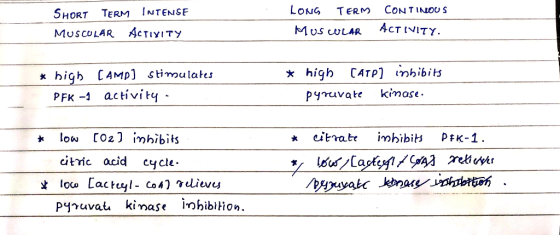
A rabbit fleeing a coyote and a duck's extended flight during migration both involve muscular activity...
QUESTION 1 Which of the following processes/pathways CANNOT occur in the absence of O2? Oxidative phosphorylation...
QUESTION 1 Which of the following processes/pathways CANNOT occur in the absence of O2? Oxidative phosphorylation Substrate level phosphorylation Oxidation of NADH Photosynthesis Fermentation 1 points QUESTION 2 Phosphofructokinase (PFK-1) is one of the most regulated enzymes in metabolism. Which of the following would be expected to be an allosteric inhibitor of PFK-1? Glucose Fructose-6-phosphate Acetyl CoA AMP 1 points QUESTION 3 Which of the following is a reactant of the first reaction of glycolysis? Glucose ADP ATP...
Place the cellular respiration pathways in their correct locations. Place the cellular respiration pathways in their...
 Place the cellular respiration pathways in their correct
locations.
Place the cellular respiration pathways in their correct locations. Breakdown of pyruvate Glycolysis Oxidative phosphorylation Citric acid cycle 1 OOOOOO Outer mitochondrial membrane Cytosol 2pYYSC Mitochondrial matrix Inner mitochondrial membrane 2 NADH 2 NADH 2 pyruvate 6 NADH 2 FADH Pyruvate | 2000 2 acetyl 2 CO 2002+2 acetyl 2 CO 2 acetyl 2 CO2 +2 ATP +2 ATP +30-34 ATP MAS Via substrate-level phosphorylation Via chemiosmosis Va substrate-level phosphorylation
Place the cellular respiration pathways in their correct
locations.
Place the cellular respiration pathways in their correct locations. Breakdown of pyruvate Glycolysis Oxidative phosphorylation Citric acid cycle 1 OOOOOO Outer mitochondrial membrane Cytosol 2pYYSC Mitochondrial matrix Inner mitochondrial membrane 2 NADH 2 NADH 2 pyruvate 6 NADH 2 FADH Pyruvate | 2000 2 acetyl 2 CO 2002+2 acetyl 2 CO 2 acetyl 2 CO2 +2 ATP +2 ATP +30-34 ATP MAS Via substrate-level phosphorylation Via chemiosmosis Va substrate-level phosphorylation
Which describes the effect of cyanide on cellular respiration? Question 20 of 25 ) Which describes...
 Which describes the effect of cyanide on cellular
respiration?
Question 20 of 25 ) Which describes the effect of cyanide on cellular respiration? O inhibits the the breakdown of acetyl-CoA by the citric acid cycle O inhibits the function of pyruvate kinase in glycolysis O inhibits the function of cytochrome c oxidase in the electron transport chain O inhibits the production of acetyl-CoA by the pyruvate dehyrogenase complex
Which describes the effect of cyanide on cellular
respiration?
Question 20 of 25 ) Which describes the effect of cyanide on cellular respiration? O inhibits the the breakdown of acetyl-CoA by the citric acid cycle O inhibits the function of pyruvate kinase in glycolysis O inhibits the function of cytochrome c oxidase in the electron transport chain O inhibits the production of acetyl-CoA by the pyruvate dehyrogenase complex
Which of the following produces the most ATP when glucose is completely oxidized
Which of the following produces the most ATP when glucose is completely oxidized A. Fermentation B. All of these processes produce about the same amount of ATP C. Oxidation of pyruvate to acetyl-CoA D. Citric acid cycle E. Glycolysis F. Oxidative phosphorylation
10. What is the relationship between anabolic and catabolic pathways? A. Anabolic pathways create complex molecules...
 10. What is the relationship between anabolic and catabolic pathways? A. Anabolic pathways create complex molecules using the energy from catabolic pathways. B. Anabolic and catabolic pathways are interchangeable. C. Catabolic pathways create complex molecules using the energy from Anabolic pathways. D. Molecules broken down by anabolic pathways provides energy for catabolic pathways. Cellular respiration 11. Which of the following statements about NAD+ is true? A) NAD+ is reduced to NADH during glycolysis, pyruvate oxidation, and the citric acid cycle....
Q5. Label correctly the names of different processes that generate ATP as shown below (substrate-level or...
 Q5. Label correctly the names of different processes that generate ATP as shown below (substrate-level or oxidative phosphorylation?). [3pts] Oxidation of Organic Fuel Molecules During Cellular Respiration Electrons carried via NADH Electrons carried via NADH and FADH, Glycolysis Glucose Pyruvate Pyruvate oxidation Acetyl COA Citric acid cycle Oxidative phosphorylation: electron transport and chemiosmosis CYTOSOL MITOCHONDRION
From the information in Chapter 8 on metabolism and Appendix A, we can see the multiple...
From the information in Chapter 8 on metabolism and Appendix A, we can see the multiple metabolic pathways involved in generating ATP from the breakdown of the nutrients glucose, protein and fats. Glycolysis generates pyruvate, the pyruvate then becomes Acetyl CoA, which enters the Krebs Cycle (TCA), products of the Krebs Cycle then enter the Electron Transport Chain (ETC) where ATP is the final product. Fat breakdown (beta-oxidation) also generates Acetyl CoA, which then enters the Krebs Cycle to produce...
Please help me with ALL of these questions. Thank you so much Question 13 0.4 pts...
 Please help me with ALL of these questions. Thank you so
much
Question 13 0.4 pts For each two carbon molecule (i.e., acetyl) that enters the citric acid cycle, how many molecules of waste CO2 are produced? 0 0 0 0 0 3 Question 14 0.4 pts Which stage of respiration reduces the most electron carriers? citric acid cycle glycolysis acetyl-CoA synthesis Question 16 0.3 pts How is a Carbon atom oxidized during a redox reaction if it has the...
Please help me with ALL of these questions. Thank you so
much
Question 13 0.4 pts For each two carbon molecule (i.e., acetyl) that enters the citric acid cycle, how many molecules of waste CO2 are produced? 0 0 0 0 0 3 Question 14 0.4 pts Which stage of respiration reduces the most electron carriers? citric acid cycle glycolysis acetyl-CoA synthesis Question 16 0.3 pts How is a Carbon atom oxidized during a redox reaction if it has the...
8. ATP synthesis. How many ATP molecules are generated during the complete oxidative degradation of each...
 8. ATP synthesis. How many ATP molecules are generated during the complete oxidative degradation of each of the following metabolites to CO2 and H2O? [Write your answers in the spaces provided.] Number of ATPs synthesized A) B) C) D) E) Metabolite Acetyl COA Pyruvate Glucose Glycerol (Hint: enters glycolysis through DHAP) Aspartic acid (Hint: enters citric acid cycle through oxaloacetate)
3 20 The conversion pyruvate to either ethanol or lactate occurs A. when there is an abundance of pyruvate but a deficiency of onygen B. when there is an abundance of BOTH pyruvate and oxygen C....
 3 20 The conversion pyruvate to either ethanol or lactate occurs A. when there is an abundance of pyruvate but a deficiency of onygen B. when there is an abundance of BOTH pyruvate and oxygen C. when there is a deficiency of BOTH pyruvate and oxygen D. for the regeneration of NADH so that hydrolysis of ATP can continue to fuel the glycolysis pathway Explain how gluconeogenesis differs from gtycolysis 21 Gluconeogenesis is simply the reverse of all 10 steps...
 Place the cellular respiration pathways in their correct
locations.
Place the cellular respiration pathways in their correct locations. Breakdown of pyruvate Glycolysis Oxidative phosphorylation Citric acid cycle 1 OOOOOO Outer mitochondrial membrane Cytosol 2pYYSC Mitochondrial matrix Inner mitochondrial membrane 2 NADH 2 NADH 2 pyruvate 6 NADH 2 FADH Pyruvate | 2000 2 acetyl 2 CO 2002+2 acetyl 2 CO 2 acetyl 2 CO2 +2 ATP +2 ATP +30-34 ATP MAS Via substrate-level phosphorylation Via chemiosmosis Va substrate-level phosphorylation
Place the cellular respiration pathways in their correct
locations.
Place the cellular respiration pathways in their correct locations. Breakdown of pyruvate Glycolysis Oxidative phosphorylation Citric acid cycle 1 OOOOOO Outer mitochondrial membrane Cytosol 2pYYSC Mitochondrial matrix Inner mitochondrial membrane 2 NADH 2 NADH 2 pyruvate 6 NADH 2 FADH Pyruvate | 2000 2 acetyl 2 CO 2002+2 acetyl 2 CO 2 acetyl 2 CO2 +2 ATP +2 ATP +30-34 ATP MAS Via substrate-level phosphorylation Via chemiosmosis Va substrate-level phosphorylation
 Which describes the effect of cyanide on cellular
respiration?
Question 20 of 25 ) Which describes the effect of cyanide on cellular respiration? O inhibits the the breakdown of acetyl-CoA by the citric acid cycle O inhibits the function of pyruvate kinase in glycolysis O inhibits the function of cytochrome c oxidase in the electron transport chain O inhibits the production of acetyl-CoA by the pyruvate dehyrogenase complex
Which describes the effect of cyanide on cellular
respiration?
Question 20 of 25 ) Which describes the effect of cyanide on cellular respiration? O inhibits the the breakdown of acetyl-CoA by the citric acid cycle O inhibits the function of pyruvate kinase in glycolysis O inhibits the function of cytochrome c oxidase in the electron transport chain O inhibits the production of acetyl-CoA by the pyruvate dehyrogenase complex
 10. What is the relationship between anabolic and catabolic pathways? A. Anabolic pathways create complex molecules using the energy from catabolic pathways. B. Anabolic and catabolic pathways are interchangeable. C. Catabolic pathways create complex molecules using the energy from Anabolic pathways. D. Molecules broken down by anabolic pathways provides energy for catabolic pathways. Cellular respiration 11. Which of the following statements about NAD+ is true? A) NAD+ is reduced to NADH during glycolysis, pyruvate oxidation, and the citric acid cycle....
 Q5. Label correctly the names of different processes that generate ATP as shown below (substrate-level or oxidative phosphorylation?). [3pts] Oxidation of Organic Fuel Molecules During Cellular Respiration Electrons carried via NADH Electrons carried via NADH and FADH, Glycolysis Glucose Pyruvate Pyruvate oxidation Acetyl COA Citric acid cycle Oxidative phosphorylation: electron transport and chemiosmosis CYTOSOL MITOCHONDRION
 Please help me with ALL of these questions. Thank you so
much
Question 13 0.4 pts For each two carbon molecule (i.e., acetyl) that enters the citric acid cycle, how many molecules of waste CO2 are produced? 0 0 0 0 0 3 Question 14 0.4 pts Which stage of respiration reduces the most electron carriers? citric acid cycle glycolysis acetyl-CoA synthesis Question 16 0.3 pts How is a Carbon atom oxidized during a redox reaction if it has the...
Please help me with ALL of these questions. Thank you so
much
Question 13 0.4 pts For each two carbon molecule (i.e., acetyl) that enters the citric acid cycle, how many molecules of waste CO2 are produced? 0 0 0 0 0 3 Question 14 0.4 pts Which stage of respiration reduces the most electron carriers? citric acid cycle glycolysis acetyl-CoA synthesis Question 16 0.3 pts How is a Carbon atom oxidized during a redox reaction if it has the...
 8. ATP synthesis. How many ATP molecules are generated during the complete oxidative degradation of each of the following metabolites to CO2 and H2O? [Write your answers in the spaces provided.] Number of ATPs synthesized A) B) C) D) E) Metabolite Acetyl COA Pyruvate Glucose Glycerol (Hint: enters glycolysis through DHAP) Aspartic acid (Hint: enters citric acid cycle through oxaloacetate)
 3 20 The conversion pyruvate to either ethanol or lactate occurs A. when there is an abundance of pyruvate but a deficiency of onygen B. when there is an abundance of BOTH pyruvate and oxygen C. when there is a deficiency of BOTH pyruvate and oxygen D. for the regeneration of NADH so that hydrolysis of ATP can continue to fuel the glycolysis pathway Explain how gluconeogenesis differs from gtycolysis 21 Gluconeogenesis is simply the reverse of all 10 steps...
Most questions answered within 3 hours.
-
Where is the error in this code sequence?
String s1 = "Hello";
String s2 = "ello";...
asked 10 months ago -
Financial data for Joel de Paris, Inc., for last year
follow:
Joel de Paris, Inc.
Balance...
asked 10 months ago -
Consider this reaction:
Al2(SO4)3 (aq)+ BaCl3
(aq) Al2Cl6 (aq)- +
3BaSO4(s) . What is the...
asked 10 months ago -
Suppose that Savneet is considering increasing her
recent random sample from 20 car rentals to 40...
asked 10 months ago -
Trucks arrive at an unloading terminal at an average rate of 120
per hour.
Trucks arrive...
asked 10 months ago -
Why are methanol and ethanol completely soluble in water while
octanol is not very little soluble....
asked 10 months ago -
A facilities manager at a university reads in a research report
that the mean amount of...
asked 10 months ago -
When the CuSO4 is rehydrated by adding water to the anhydrous
compound, is this an endothermic...
asked 10 months ago -
A ray of sunlight is passing from diamond into crown glass; the
angle of incidence is...
asked 10 months ago -
A block of mass 0.249 kg is placed on top of a light, vertical
spring of...
asked 10 months ago -
how do the kidneys compensate in the presences of acidosis
a) trigger hyperventilate
b) reserve acid...
asked 10 months ago -
Question 501 pts
The rental rate of capital to the firm increases. Which of the
following...
asked 10 months ago