Neuromuscular junction: why it is different from a synapse between neurons in the central nervous system...
Neuromuscular junction: why it is different from a synapse between neurons in the central nervous system (CNS)?
Homework Answers

Add Answer to:
Neuromuscular junction: why it is different from a synapse
between neurons in the central nervous system...
A major distinction between the central nervous system and the peripheral nervous system is that in...
A major distinction between the central nervous system and the peripheral nervous system is that in the peripheral nervous system, there are no neurons, only glial cells. there are no nerves, only individual neurons. neurons and parts of neurons are inside the brain and spinal cord. neurons and parts of neurons are outside the brain and spinal cord.
In the nervous system, these are specialized junctions. O synapse O glia dendrites O neurons
 In the nervous system, these are specialized junctions. O synapse O glia dendrites O neurons
Consider the neuromuscular junction between a pre-synaptic neuron and the muscle around the eye. Which of...
Consider the neuromuscular junction between a pre-synaptic neuron and the muscle around the eye. Which of the following would be an effect of the Botox? A. More acetylcholine in the synapse of the neuromuscular junction B. Less acetylcholine in the synapse of the neuromuscular junction
Consider the neuromuscular junction between a pre-synaptic neuron and the diaphragm muscle. Acetylcholine is a neurotransmitter...
Consider the neuromuscular junction between a pre-synaptic neuron and the diaphragm muscle. Acetylcholine is a neurotransmitter that is released from the presynaptic neuron to induce muscle contraction in the post-synaptic muscle cell. Which of the following would be an effect of tetrodotoxin? A. More acetylcholine in the synapse of the neuromuscular junction with the diaphragm B. Less acetylcholine in the synapse of the neuromuscular junction with the diaphragm
Answer Thi Q. thank You The Nervous System edit) 1. The junction between one neuron and the next, or between a neuron and an effector is called: A) A synapse 8) A dendrite C) A neuotransmiter D )...
 Answer Thi Q. thank You
The Nervous System edit) 1. The junction between one neuron and the next, or between a neuron and an effector is called: A) A synapse 8) A dendrite C) A neuotransmiter D ) A ventricle E) None of the above 2. A fast excitatory synapses follows this order A) (1) neurotransmiter released (2) diftused across the synaptic cleft to a receptor protein (3) binding of the transmitter opens pores in the ion channels and positive...
Answer Thi Q. thank You
The Nervous System edit) 1. The junction between one neuron and the next, or between a neuron and an effector is called: A) A synapse 8) A dendrite C) A neuotransmiter D ) A ventricle E) None of the above 2. A fast excitatory synapses follows this order A) (1) neurotransmiter released (2) diftused across the synaptic cleft to a receptor protein (3) binding of the transmitter opens pores in the ion channels and positive...
If the synapse is a neuromuscular junction, then there is a(an) _________ at step ____ in...
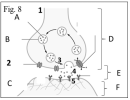 If the synapse is a neuromuscular junction, then there is a(an)
_________ at step ____ in response to release of ________ at step
_______.
A) action potential; 1; acetylcholine; 4
B) inhibitory post-synaptic potential; 2;
norepinephrine; 5
C) second messenger released; 5; epinephrine; 4
D) exhibitory post-synaptic potential; 5;
acetylcholine; 4
please explain!
EF 4.5 3 2
If the synapse is a neuromuscular junction, then there is a(an)
_________ at step ____ in response to release of ________ at step
_______.
A) action potential; 1; acetylcholine; 4
B) inhibitory post-synaptic potential; 2;
norepinephrine; 5
C) second messenger released; 5; epinephrine; 4
D) exhibitory post-synaptic potential; 5;
acetylcholine; 4
please explain!
EF 4.5 3 2
Sensory neurons transmit information away from the central nervous system. Select one: True False
Sensory neurons transmit information away from the central nervous system. Select one: True False
What is a synapse? Is the presynaptic cell always a neuron? Is the postsynaptic cell always...
 What is a synapse? Is the presynaptic cell always a neuron? Is the postsynaptic cell always a neuron? If not, what other cell type could it be? Assuming both the pre- and post-synaptic cells are neurons, which one releases active neurotransmitters into the synaptic cleft between them? 8. What are the three major functional classes of neurons that we discussed? Which is/ are found in the Peripheral Nervous System (PNS) and which is/are found in the Central Nerous System (CNS)?
FILL IN THE BLANK. 1. Type of summation occurring when numerous different pre-synaptic neurons release neurotransmitter...
 FILL IN THE BLANK. 1. Type of summation occurring when numerous different pre-synaptic neurons release neurotransmitter simultaneously onto a synapse 2. Occurs due to an increase in membrane permeability to K 3. Receptors that provide the CNS with information about body position 4. Term relating to a conscious recognition of the position of body parts with respect to one another as well as recognition of limb movement rates Large cells filled with myelin which surround the axons of somatic motor...
Question 50 1.67 pts All input from sensory neurons to the central nervous system arrives in...
 Question 50 1.67 pts All input from sensory neurons to the central nervous system arrives in the same form, as propagated by afferent sensory neurons. Perception of the stimuli about type and intensity depend on the projection of the impulse to which part of the brain and its frequency by the sensory neuron Tir Att 58 24 O action potentials receptor potentials reflexes Ofrequency localizations O thresholds « Previous Next
 In the nervous system, these are specialized junctions. O synapse O glia dendrites O neurons
 Answer Thi Q. thank You
The Nervous System edit) 1. The junction between one neuron and the next, or between a neuron and an effector is called: A) A synapse 8) A dendrite C) A neuotransmiter D ) A ventricle E) None of the above 2. A fast excitatory synapses follows this order A) (1) neurotransmiter released (2) diftused across the synaptic cleft to a receptor protein (3) binding of the transmitter opens pores in the ion channels and positive...
Answer Thi Q. thank You
The Nervous System edit) 1. The junction between one neuron and the next, or between a neuron and an effector is called: A) A synapse 8) A dendrite C) A neuotransmiter D ) A ventricle E) None of the above 2. A fast excitatory synapses follows this order A) (1) neurotransmiter released (2) diftused across the synaptic cleft to a receptor protein (3) binding of the transmitter opens pores in the ion channels and positive...
 If the synapse is a neuromuscular junction, then there is a(an)
_________ at step ____ in response to release of ________ at step
_______.
A) action potential; 1; acetylcholine; 4
B) inhibitory post-synaptic potential; 2;
norepinephrine; 5
C) second messenger released; 5; epinephrine; 4
D) exhibitory post-synaptic potential; 5;
acetylcholine; 4
please explain!
EF 4.5 3 2
If the synapse is a neuromuscular junction, then there is a(an)
_________ at step ____ in response to release of ________ at step
_______.
A) action potential; 1; acetylcholine; 4
B) inhibitory post-synaptic potential; 2;
norepinephrine; 5
C) second messenger released; 5; epinephrine; 4
D) exhibitory post-synaptic potential; 5;
acetylcholine; 4
please explain!
EF 4.5 3 2
 What is a synapse? Is the presynaptic cell always a neuron? Is the postsynaptic cell always a neuron? If not, what other cell type could it be? Assuming both the pre- and post-synaptic cells are neurons, which one releases active neurotransmitters into the synaptic cleft between them? 8. What are the three major functional classes of neurons that we discussed? Which is/ are found in the Peripheral Nervous System (PNS) and which is/are found in the Central Nerous System (CNS)?
 FILL IN THE BLANK. 1. Type of summation occurring when numerous different pre-synaptic neurons release neurotransmitter simultaneously onto a synapse 2. Occurs due to an increase in membrane permeability to K 3. Receptors that provide the CNS with information about body position 4. Term relating to a conscious recognition of the position of body parts with respect to one another as well as recognition of limb movement rates Large cells filled with myelin which surround the axons of somatic motor...
 Question 50 1.67 pts All input from sensory neurons to the central nervous system arrives in the same form, as propagated by afferent sensory neurons. Perception of the stimuli about type and intensity depend on the projection of the impulse to which part of the brain and its frequency by the sensory neuron Tir Att 58 24 O action potentials receptor potentials reflexes Ofrequency localizations O thresholds « Previous Next
Most questions answered within 3 hours.
-
Where is the error in this code sequence?
String s1 = "Hello";
String s2 = "ello";...
asked 10 months ago -
Financial data for Joel de Paris, Inc., for last year
follow:
Joel de Paris, Inc.
Balance...
asked 10 months ago -
Consider this reaction:
Al2(SO4)3 (aq)+ BaCl3
(aq) Al2Cl6 (aq)- +
3BaSO4(s) . What is the...
asked 10 months ago -
Suppose that Savneet is considering increasing her
recent random sample from 20 car rentals to 40...
asked 10 months ago -
Trucks arrive at an unloading terminal at an average rate of 120
per hour.
Trucks arrive...
asked 10 months ago -
Why are methanol and ethanol completely soluble in water while
octanol is not very little soluble....
asked 10 months ago -
A facilities manager at a university reads in a research report
that the mean amount of...
asked 10 months ago -
When the CuSO4 is rehydrated by adding water to the anhydrous
compound, is this an endothermic...
asked 10 months ago -
A ray of sunlight is passing from diamond into crown glass; the
angle of incidence is...
asked 10 months ago -
A block of mass 0.249 kg is placed on top of a light, vertical
spring of...
asked 10 months ago -
how do the kidneys compensate in the presences of acidosis
a) trigger hyperventilate
b) reserve acid...
asked 10 months ago -
Question 501 pts
The rental rate of capital to the firm increases. Which of the
following...
asked 10 months ago