Body System Checklist Circulatory System • Major functions of circulatory system • Diagram that includes the...
Body System Checklist
Circulatory System
• Major functions of circulatory system
• Diagram that includes the major parts - heart, artery, vein,
capillary - and list the
function(s) of each.
• Describe each of the components of blood- red blood cells, white
blood cells, platelets, &
plasma
• Describe the path blood travels through your body
• Explain how your body system works with other systems in the
body. Use 2 examples.
• Find 5 fun facts about your body system.
• Describe two diseases associated with your body system
Digestive System
• Major functions of digestive system
• Diagram that includes the major parts - mouth, esophagus,
stomach, small intestine, liver,
pancreas, and large intestine - and list the function(s) of
each.
• Describe the path food travels throughout the digestive
system.
• Explain how your body system works with other systems in the
body. Use 2 examples.
• Find 5 fun facts about your body system.
• Describe 2 diseases associate with your body system.
Endocrine System
• Major functions of endocrine system
• Describe what hormones are and what they do
• Diagram that includes the major parts - hypothalamus, pituitary,
thymus, thyroid,
parathyroid, adrenals, pancreas, ovaries, and testes - and list the
function(s) of each.
• Explain how your body system works with other systems in the
body. Use at least 2
examples.
• Find 5 fun facts about your body system.
• Describe 2 diseases associated with your body system.
Excretory System
• Major functions of excretory system
• Diagram that includes the major parts - lungs, kidneys, urinary
bladder, ureter, urethra,
liver, and skin - and list the function(s) of each.
• Explain how your body system works with other systems in the
body. You will need at
least 2 examples.
• Find 5 fun facts about your body system.
• Describe 2 diseases associated with your body system.
Muscular System
• Major functions of muscular system
• Describe the function and locations of each type of muscle –
skeletal muscle, smooth
muscle, and cardiac muscle
• Diagram that includes the major muscles in the body - biceps,
oblique abdominis,
sartorius, deltoid, orbicularis oculi, sternomastoid,
gastrocnemius, pectoral, temporalis,
gluteusmaximus, quadriceps, tibialis, masseter, rectus abdominis,
and triceps
• Describe how muscles work in pairs to make parts of the body move
using the biceps and
triceps as an example.
• Explain how your body system works with other systems in the
body. You will need at
least 2 examples.
• Find 5 fun facts about your body system.
• Describe 2 diseases associated with your body system.
Nervous System
• Description and major functions of the central nervous system and
peripheral nervous
system.
• Diagram that includes the major parts - brain, spinal cord,
nerves, and neurons - and list
the function(s) of each.
• Describe the path a nerve impulse travels throughout your body
from stimulus to
response.
• Explain how your body system works with other systems in the
body. You will need at
least 2 examples.
• Find 5 fun facts about your body system.
• Describe 2 diseases associated with your body system.
Respiratory System
• Major functions of respiratory system
• Diagram that includes the major parts - trachea, lungs,
diaphragm, epiglottis, larynx,
vocal cords - and list the function(s) of each.
• Describe the “breathing” process.
• Explain how your body system works with other systems in the
body. You will need at
least 2 examples.
• Find 5 fun facts about your body system.
• Describe 2 diseases associated with your body system.
Skeletal System
• Major functions of skeletal system
• Diagram that includes the major parts -bones, ligaments, and
tendon - and list the
function(s) of each. NOTE: Your diagram should also include the
following bones in the
body: cranium, clavicle, humerus, scapula, sternum, rib, vertebra,
ulna, radius, carpals,
metacarpals, phalanges, pelvis (may list parts), femur, patella,
tibia, fibula, tarsals, and
metatarsals.
• Describe each of the following joints and where they are
located: hinge, pivot, and ball-
and-socket. You may include other joints as well.
• Explain how your body system works with other systems in the
body. You will need at
least 2 examples.
• Find 5 fun facts about your body system.
• Describe 2 diseases associated with your body system.
Layout:
1. Title: Name of Body System (2 systems), Name, Date, Period
Subheadings:
2. What are the main functions of the body system?
3. List and describe the components/organs of the body
system.
4. How does the body system work with other body systems to help
maintain homeostasis?
5. What are three diseases or disorders associated with the
selected body system?
6. Do the diseases or disorders predominantly affect a certain
group of people (race, nationality, sex,
geographical area, etc)?
7. What are risk factors or environmental influences that can
damage your organ system?
8. What are the symptoms of possible organ malfunctions in your
system? What are the treatments
to symptoms, if any?
9. Can any organs in your system be transplanted? Can you live
without one or more of the organs
in your system?
Homework Answers
Circulatory system-
The circulatory system consists of the heart and arteries, veins, coronary and portal vessel. This system is responsible for the flow of blood, nutrients, oxygen and other gases, and as well as hormones to and from cells.
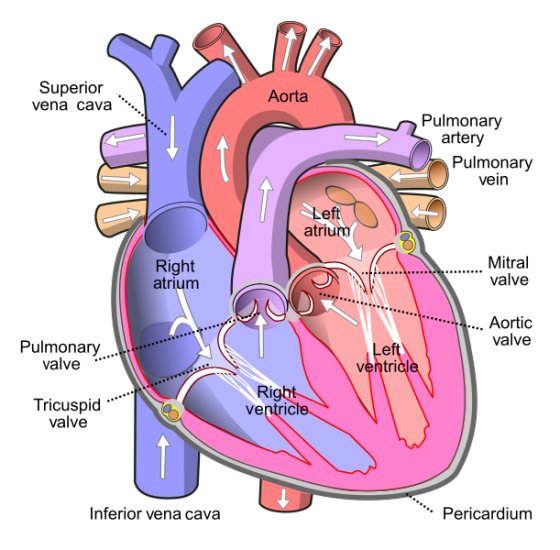
The heart consists of 4 chambers - two upper chambers are right and left auricles and two lower chambers right and left ventricles. The right side receives the impure blood from the veins and left side consist of pure or oxygenated blood which is supplied by arteries to all parts of the body. Capillaries are only one cell thick, and they are the sites of the transfer of oxygen and other nutrients from the bloodstream to other tissues in the body; they also collect carbon dioxide and other waste materials.
Red blood cells are also called erythrocytes. They carry oxygen with the help of hemoglobin carried in them. Mature red blood cells are flexible and oval biconcave disks. They lack a cell nucleus and most organelles, in order to accommodate maximum space for hemoglobin. The main function of red blood cells is to carry oxygen from the lungs to the body tissues and carbon dioxide as a waste product, away from the tissues and back to the lungs.
White blood cells - they are called as leucocytes. It is white as it lacks hemoglobin which is a red coloured pigment. It has all organelles in it including the nucleus. These cells defend the body against infection and disease by ingesting foreign materials and cellular debris, by destroying infectious agents and cancer cells.
Platelets- have no cell nucleus and are also called thrombocytes. Their main function is to promote the clotting of blood.
Plasma- Plasma is the liquid component of blood, in which the red blood cells, white blood cells, and platelets are suspended. It constitutes more than half of the blood's volume and consists mostly of water that contains dissolved salts and proteins. It contains proteins like albumin and globulin.
The circulatory system works with the respiratory system as impure blood is collected by the right side of the heart through numerous vein and is pumped to the lungs by the left side of the heart for oxygenation. Similarly, the circulatory system can be liked to the excretory system where the circulatory system helps carry waste and carbon dioxide out of the body.
The diseases associated with the circulatory system are- coronary heart disease, atherosclerosis
Add Answer to:
Body System Checklist
Circulatory System
• Major functions of circulatory system
• Diagram that includes the...
Without an intact nervous system, the body will not be able to function normally. The nervous...
 Without an intact nervous system, the body will not be able to function normally. The nervous system controls other organ systems in the body and is in turn dependent on the other systems. Outline how the two branches of the nervous system modulate the functions of the body as a whole. Your article should be at least one page long, using Times New Roman Font and 1.5 spacing. I am most interested in how you are using medical terminology to...
Body System List the major organs found in the body system. Define the role and purpose of the body system. Pr...
Body System List the major organs found in the body system. Define the role and purpose of the body system. Provide two examples of conditions or diseases that can affect each body system. Identify a body system that interacts with the body system identified. Gastrointestinal System Urinary System
Body System List the major organs found in the body system. Define the role and purpose of the body system. Pr...
Body System List the major organs found in the body system. Define the role and purpose of the body system. Provide two examples of conditions or diseases that can affect each body system. Identify a body system that interacts with the body system identified. Endocrine System Cardiovascular System Respiratory System
Body System List the major organs found in the body system. Define the role and purpose...
Body System List the major organs found in the body system. Define the role and purpose of the body system. Provide two examples of conditions or diseases that can affect each body system. Identify a body system that interacts with the body system identified. Gastrointestinal System Urinary System
Body System List the major organs found in the body system. Define the role and purpose...
Body System List the major organs found in the body system. Define the role and purpose of the body system. Provide two examples of conditions or diseases that can affect each body system. Identify a body system that interacts with the body system identified. Nervous System Musculoskeletal System Integumentary System
ENDOCRINE System: Body System Outline Summary of system functions: System Interactions System List List of Interactions...
ENDOCRINE System: Body System Outline Summary of system functions: System Interactions System List List of Interactions with each system Integumentary Skeletal Muscular Nervous Cardiovascular Lymphatic Respiratory Digestive Urinary Reproductive Major and Minor Organs List: Major Diseases/Disorders List: Brief Details on One Major Disease or Disorder
Create a Concept Map for the Urinary System. Questions What organ systems contribute to excretion from...
Create a Concept Map for the Urinary System. Questions What organ systems contribute to excretion from the body and how does each contribute? Describe major organs of the urinary system, major structures of the kidney, and specific regions of the nephron and associated blood supply. You could draw and label simplified pictures or list them and describe their location. What are the functions of the major organs of the urinary system? What are all the parts of the nephron and...
Body Systems: Skeletal: Bones provide joints or levers for motion potential but can only move via...
Body Systems: Skeletal: Bones provide joints or levers for motion potential but can only move via muscle acting on the bones and joints. The skeleton system has two parts, axial and appendicular. Explain the two parts axial and appendicular, and give an example of each. Muscular: There are three types of muscles. Skeletal, Cardiac, and Smooth. Research each muscle and their relationship to movement, and compare and contrast their relationship to movement. Nervous: The nervous system enables the body to...
Satisfactory a Unsatisfactory Complete this table with information about the interrelations between two different body systems....
 Satisfactory a Unsatisfactory Complete this table with information about the interrelations between two different body systems. The first one has been done for you. Body system and function Body system Interrelationship Integumentary Cardiovascular: The cardiovascular system is responsible for transporting blood throughout the body. It works in conjunction with the respiratory system to help move oxygen throughout the body. The cardiovascular system controls sweat production. Reproductive Musculoskeletal: The musculoskeletal system incorporates two major systems: the muscular system and the skeletal...
luule with information about the interrelations between two one body systems. The first one has been...
 luule with information about the interrelations between two one body systems. The first one has been done for you. ons between two different Body system and function Body system Interrelationship Integumentary Cardiovascular The cardiovascular system is responsible for transporting blood throughout the body. It works in conjunction with the respiratory system to help move oxygen throughout the body. The cardiovascular system controls sweat production Reproductive Musculoskeletal: The musculoskeletal system incorporates two major systems: the muscular system and the skeletal system....
 Without an intact nervous system, the body will not be able to function normally. The nervous system controls other organ systems in the body and is in turn dependent on the other systems. Outline how the two branches of the nervous system modulate the functions of the body as a whole. Your article should be at least one page long, using Times New Roman Font and 1.5 spacing. I am most interested in how you are using medical terminology to...
 Satisfactory a Unsatisfactory Complete this table with information about the interrelations between two different body systems. The first one has been done for you. Body system and function Body system Interrelationship Integumentary Cardiovascular: The cardiovascular system is responsible for transporting blood throughout the body. It works in conjunction with the respiratory system to help move oxygen throughout the body. The cardiovascular system controls sweat production. Reproductive Musculoskeletal: The musculoskeletal system incorporates two major systems: the muscular system and the skeletal...
 luule with information about the interrelations between two one body systems. The first one has been done for you. ons between two different Body system and function Body system Interrelationship Integumentary Cardiovascular The cardiovascular system is responsible for transporting blood throughout the body. It works in conjunction with the respiratory system to help move oxygen throughout the body. The cardiovascular system controls sweat production Reproductive Musculoskeletal: The musculoskeletal system incorporates two major systems: the muscular system and the skeletal system....
Most questions answered within 3 hours.
-
Where is the error in this code sequence?
String s1 = "Hello";
String s2 = "ello";...
asked 11 months ago -
Financial data for Joel de Paris, Inc., for last year
follow:
Joel de Paris, Inc.
Balance...
asked 11 months ago -
Consider this reaction:
Al2(SO4)3 (aq)+ BaCl3
(aq) Al2Cl6 (aq)- +
3BaSO4(s) . What is the...
asked 11 months ago -
Suppose that Savneet is considering increasing her
recent random sample from 20 car rentals to 40...
asked 11 months ago -
Trucks arrive at an unloading terminal at an average rate of 120
per hour.
Trucks arrive...
asked 11 months ago -
Why are methanol and ethanol completely soluble in water while
octanol is not very little soluble....
asked 11 months ago -
A facilities manager at a university reads in a research report
that the mean amount of...
asked 11 months ago -
When the CuSO4 is rehydrated by adding water to the anhydrous
compound, is this an endothermic...
asked 11 months ago -
A ray of sunlight is passing from diamond into crown glass; the
angle of incidence is...
asked 11 months ago -
A block of mass 0.249 kg is placed on top of a light, vertical
spring of...
asked 11 months ago -
how do the kidneys compensate in the presences of acidosis
a) trigger hyperventilate
b) reserve acid...
asked 11 months ago -
Question 501 pts
The rental rate of capital to the firm increases. Which of the
following...
asked 11 months ago