Write a 4 paragraph journal critique for the article, not too long but not too short...
Homework Answers
Chromosomal Abnormalities Causes Miscarriages
Chromosomal abnormalities are a random occurrence, but very common in women over 35 years. Chromosomal abnormalities occur due to various reasons out of which only 5% are genetic.
An abnormal sperm, abnormal egg, an improper fertilization and exposure to toxic environmental factors can be a potent cause of chromosomal abnormalities. There are two types of chromosomal abnormalities that result in miscarriages
Embryo Chromosomal Abnormalities
Majority of miscarriages are an outcome of unnaturalness of a number of chromosomes in the embryo. Sometimes, embryos have a pair of chromosomes that are either more than or less than 23 (actual no.) thus, becoming vulnerable to miscarriage. Due to chromosomal abnormalities, the embryo may not be able to develop properly and its survival in the womb may end. Sadly, there is no treatment preventing the development of chromosomal abnormalities in the embryo. It is not necessary that all embryos with chromosomal unnaturalness will end up in miscarriage. Few can reach delivery, but such babies are born with some birth defects. Types of chromosomal abnormalities in embryos include:
- Nullisomy: It occurs when an embryo is missing a pair of chromosome. Nullisomic embryos do not survive thereby, ending in miscarriages.
- Monosomy: This occurs when one chromosome of the foetus lacks its homolog. Monosomies do not survive and if at all they do survive, they have a number of birth defects such as Down syndrome or do not live for longer than a few days or weeks.
- Trisomy: This occurs when one extra copy of a chromosome is present in the foetus. Trisomies have few chances of survival. Most trisomies are born with Down syndrome. They have distinct facial features, altered body shape and short stature.
- Tetrasomy: It is a rare case and occurs when a total of four chromosome pairs are present.
- In pregnancy through IVF process, chromosomal abnormalities can be identified using pre-implantation genetic diagnosis. No matter what the cause is, a miscarriage is always painful and emotionally devastating.
-
Parental Chromosomal Abnormalities
Miscarriages due to parental chromosomal unnaturalness are rare. In this form of abnormality, one of the parents has some abnormality in his/her chromosomes. Also known as translocation abnormality, the chromosome of any parent (say chromosome 15) changes or swaps its place with another chromosome (say chromosome 23). Such parents can have a completely normal baby. A baby born with same chromosomal pattern or a foetus with chromosomal abnormalities will result in miscarriage.
Nothing can be done to prevent chromosomal abnormalities in your embryos, but to alleviate the chances of miscarriage due to chromosomal unnaturalness, take the adequate nutrition. Consult your doctor to increase the consumption of folic acid, which is helpful in preventing chromosomal abnormalities. -
Recurrent Miscarriage and Chromosomal Abnormalities
According to the Oxford Journal, Human Reproduction, “Chromosomal abnormalities are an important cause of spontaneous abortion and recurrent miscarriage (RM).” Genetic problems in an embryo increase the chances of repeated miscarriage by 3 per cent to 5 per cent. The pregnancy naturally terminates in its early stages. According to the Textbook of Gynaecology by Kamini A Rao, chromosomal abnormalities are the direct cause of spontaneous abortion and autosomal trisomy, polypliodi and monosomy X are most commonly found abnormality in cases of recurrent miscarriage.
-
Fruits to Avoid During Pregnancy
Pregnancy is the most delicate period for a woman and for her unborn baby. A pregnant woman should be very careful during pregnancy to ensure proper health of the unborn baby. If you are pregnant it is important that you take extra care while choosing everything that goes into your mouth.
Pregnancy affects your immune system and makes you and your child more susceptible to the bacteria and viruses that cause foodborne illnesses. There are certain fruits that need to be avoided during pregnancy. You want the best for your baby, so, in case you have missed out this instruction, here is a checklist of fruits to avoid during pregnancy. Keep this handy to ensure that you and your unborn baby stay healthy and safe.
Avoid Papaya
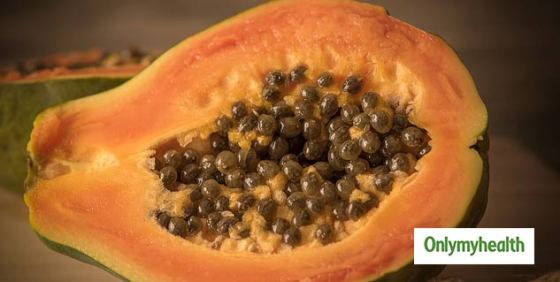
Wondering if we can eat papaya during pregnancy? The answer is NO. A lot of women from Sri Lanka, Banladesh, India as well as Pakistan have used papaya as an abortifacient, but it is not something that should worry you unless you binge on it. Papaya intake apparently brings on labour early or causes miscarriage. This is partially true. Papayas, especially the unripe and semi-ripe ones are rich in latex, which is known to trigger uterine contractions.
Green papaya was often applied directly to the uterus, but food forms such as green papaya salad, the seeds of papaya in the parasite killing papaya seed smoothie ahead, as well as supplements containing papain enzyme should be avoided during the third and final trimester of pregnancy. For this reason Papaya is in list of foods to avoid during pregnancy.
However, ripe papayas are excellent during pregnancy. Ripe papayas are rich in vitamins, such as vitamin C and other wholesome nutrients that prevent the onset of pregnancy symptoms, such as heartburn and constipation. Papayas mixed with honey and milk are also an excellent tonic for pregnant women, especially during lactation. Ripe papayas contain much lower levels of papain and are generally considered very healthy for pregnant women with it’s rich antioxidant and vitamin content and many other health benefits.
Avoid Pineapple
Can pregnant women eat Pineapple? The answer is NO. Eating pineapple during pregnancy is not good so resist yourself from consuming pineapple during pregnancy. Pineapples are rich in bromelain, which can cause the softening of the cervix leading to early labour.
One can have pineapple in moderate quantities as it will have no effect on labour and delivery, however, its intake should be restricted during the first trimester to avoid any unforeseen event such as softening of the cervix. For this reason Pineapple is in list of foods to avoid during pregnancy. A lot of women opine that drinking lots of pineapple juice can help them achieve labour. So you must stop yourself and your dear ones from eating pineapple while pregnant.
Avoid Grapes
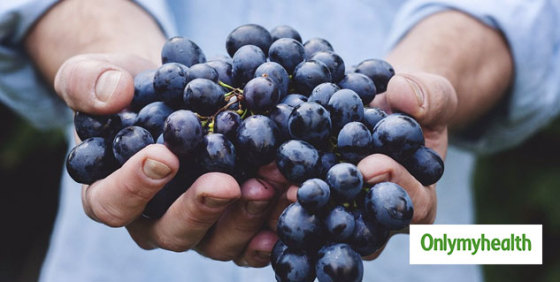
Can we eat grapes during pregnancy? Answer to this is shrouded in controversy. While some medical professionals suggest that you avoid eating grapes during pregnancy, other advice that you do use it. Most expert advice the former because of the amount of pesticides that are sprayed on grape plants to keep from being eaten away by insects.
Moreoever, the main bone of contention is the high amount of resveratrol present in grapes. This chemical can cause toxicity for the expectant mother. But, eating grapes during pregnancy can also give you vital nutrients like vitamin A and C. So, you need to speak with your doctor before you come to any decision about eating grapes during pregnancy.
Avoid Unwashed Raw Fruits during Pregnancy
The most important advice for pregnant women is to avoid unwashed and unpasteurised fruits during pregnancy. It is critical that food hygiene is given primal importance during pregnancy to avoid infections from toxoplasmosis. Fruits should be an integral part of every pregnancy diet, however, one must exercise caution and avoid eating some of them such as pineapples or papayas in excess, in order to avoid any complication during pregnancy.
Here's the proper way to prepare and handle them safely:
Maternal Age and Chromosomal Abnormalities
The Advanced Fertility Center of Chicago states
that, “We do not know exactly why there is an increase in
chromosomal abnormalities in the eggs of women as they age.
However, research studies have clarified some of the issues
involved. The meiotic spindle is a critical component of eggs that
is involved in organizing the chromosome pairs so that a proper
division of the pairs can occur as the egg is developing. An
abnormal spindle can predispose to development of chromosomally
abnormal eggs.”
The older women have more chances of having abnormal functioning of
chromosome spindles and therefore, are at an increased risk of
developing embryo chromosomal abnormalities/problems.
Testing for Chromosomal Abnormalities
Couples who have had recurrent miscarriages are advised to
undergo chromosomal abnormalities to determine the genetic fault in
the parents or in the foetus. Foetus’s genetic makeup can be traced
using Chromosome Testing on Foetal (Miscarriage) Tissue and
parents’ genetic pattern can be tested using Karyotyping of
Parents.
Chromosome Testing on Foetal (Miscarriage) Tissue:
This test is conducted immediately after the miscarriage has
happened. The genetic pattern of the foetus is studied deeply to
determine any chromosomal abnormality it had which inhibited its
survival in the womb.
Karyotyping of Parents: The chromosomal pattern of
blood of both the parents are analysed to determine any genetic
problem in the either of them. For better understanding of
chromosomal anomaly that caused miscarriage, parents’ genetic
pattern is studied in conjunction with foetus’s
makeup.
Chromosomal abnormalities are among the key causes of miscarriage
in the first trimester of pregnancy and unfortunately, these cannot
be controlled.
- Thoroughly rinse raw fruits and vegetables under running water before eating or preparing them, especially fruits that require peeling or cutting - like cantaloupe and other melons. Bacteria can be found on the outer rind or peel
- Don't use soap, detergents, or bleach solutions to wash produce
-
Fruits should comprise a major part of your diet wheny you are pregnant clearly because they are loaded with nutrients. But, it is important for you to alter the list of your favourite fruits for the sake of your baby. Avoid the bad ones, and stay healthy.
- As an added precaution, use a small vegetable brush to remove surface dirt
- Try to cut away damaged or bruised areas - bacteria can thrive in these places
Add Answer to:
Write a 4 paragraph journal critique for the article, not too
long but not too short...
Most questions answered within 3 hours.
-
Where is the error in this code sequence?
String s1 = "Hello";
String s2 = "ello";...
asked 10 months ago -
Financial data for Joel de Paris, Inc., for last year
follow:
Joel de Paris, Inc.
Balance...
asked 10 months ago -
Consider this reaction:
Al2(SO4)3 (aq)+ BaCl3
(aq) Al2Cl6 (aq)- +
3BaSO4(s) . What is the...
asked 10 months ago -
Suppose that Savneet is considering increasing her
recent random sample from 20 car rentals to 40...
asked 10 months ago -
Trucks arrive at an unloading terminal at an average rate of 120
per hour.
Trucks arrive...
asked 10 months ago -
Why are methanol and ethanol completely soluble in water while
octanol is not very little soluble....
asked 10 months ago -
A facilities manager at a university reads in a research report
that the mean amount of...
asked 10 months ago -
When the CuSO4 is rehydrated by adding water to the anhydrous
compound, is this an endothermic...
asked 10 months ago -
A ray of sunlight is passing from diamond into crown glass; the
angle of incidence is...
asked 10 months ago -
A block of mass 0.249 kg is placed on top of a light, vertical
spring of...
asked 10 months ago -
how do the kidneys compensate in the presences of acidosis
a) trigger hyperventilate
b) reserve acid...
asked 10 months ago -
Question 501 pts
The rental rate of capital to the firm increases. Which of the
following...
asked 10 months ago