balanced equation for the preparation of the diazonium ion that i have made. draw possible structure...
balanced equation for the preparation of the diazonium ion that i have made. draw possible structure for the azo dye. i have used 4-nitroaniline and 8-anilino-1-napthalene-sulfonic acid, ammonium salt
Homework Answers
Balanced equation for preparation of diazonium salt using 4-nitroaniline:

Structure of the azo dye formed from the reaction between 8-anilino-1-napthalene-sulfonic acid ammonium salt and diazonium salt:
Azo dye easter purple is formed from the reaction between 8-anilino-1-napthalene-sulfonic acid ammonium salt and diazonium salt.
The diazonium salt is attached at para-position to 8-anilino-1-napthalene-sulfonic acid ammonium salt.

Add Answer to:
balanced equation for the preparation of the diazonium ion that
i have made. draw possible structure...
Write a balanced equation for the preparation of the diazonium ion that arises from the reaction...
Write a balanced equation for the preparation of the diazonium ion that arises from the reaction between salicylic acid and 4-nitroaniline. Draw one possible structure for this azo dye.
Write a balanced equation for the preparation of the diazonium ion for 1-napthol and p-aminobenzene. Draw...
Write a balanced equation for the preparation of the diazonium ion for 1-napthol and p-aminobenzene. Draw a possible structure for this dye.
NH2 Inaphthal S0₂H Paminobenzenesulfonic acid Write a balanced equation for the preparation of the diazonium ich....
 NH2 Inaphthal S0₂H Paminobenzenesulfonic acid Write a balanced equation for the preparation of the diazonium ich. Draw a possible structure for your azo dye.
Convert playlist Diction QUESTIONS 1. (2 Points) Why is it essential to keep the diazonium salt...
 Convert playlist Diction QUESTIONS 1. (2 Points) Why is it essential to keep the diazonium salt at zero degrees while you are preparing the sodium 2-naphthoxide solution? 2. (2 Points) Would you need to use sodium carbonate for the diazotization of meta- nitroaniline? Explain your answer. 3. (2 Points) What would be the IUPAC name for the azo dye if you would have used p-chloroaniline instead of sulfanilic acid? Experiment 12 4. (4 Points) Calculate the theoretical yield for Orange...
2. Draw the structure of the byproduct that would be formed if the reaction mixture were...
 2. Draw the structure of the byproduct that would be formed if the reaction mixture were not kept in an ice bath during the azo coupling reaction. [2 pts) Methyl orange can be synthesized using an azo coupling reaction, which is an example of an electrophilic aromatic substitution (EAS). In an azo coupling, the electrophile is an aryldiazonium salt, and the nucleophile is another electron-rich aromatic compound (typically an aniline or phenol). In this experiment, sulfanilic acid will be converted...
Find the 16 products from the reactions A1-4, B1-4, C1-4, D1-4 and the product names. Possible...
 Find the 16 products from the reactions A1-4, B1-4, C1-4, D1-4 and the product names. Possible aromatic coupling reagents: Possible aminobenzenesulfonic acids: H2N OH, 2-naphthtol HNY A A aminobenzene sulfanilic acid (4- aminobenzene sulfonic acid) SOH H2N SO3H 2 1-naphthol metanilic acid (3- aminobenzene sulfonic acid) OH H2N CO2H 3 salicylic acid 2-aminobenzene sulfonic acid SO3H H2N PANH SONHA D 4 -nitroaniline 8-anilo-1- naphthalene- sulfonics acid ammonium salt NO2 Include a scheme and reagent table, for the specific reaction that...
Would someone help me to solve these questions? Thanks in advanced Questions 1. Draw the mechanism...
 Would someone help me to solve these questions? Thanks
in advanced
Questions 1. Draw the mechanism of the formation of the diazonium salt from sulfanilic acid. 2. Draw the mechanism of the reaction of N,N-dimethylaniline and the diazonium salt of sulfanilic acid to form the azo dye. 3. Why does the dimethylaniline couple with the diazonium salt at the para position of the ring? 4. What would be the result if copper (I) chloride were added to the diazonium salt...
Would someone help me to solve these questions? Thanks
in advanced
Questions 1. Draw the mechanism of the formation of the diazonium salt from sulfanilic acid. 2. Draw the mechanism of the reaction of N,N-dimethylaniline and the diazonium salt of sulfanilic acid to form the azo dye. 3. Why does the dimethylaniline couple with the diazonium salt at the para position of the ring? 4. What would be the result if copper (I) chloride were added to the diazonium salt...
Post Lab Questions 1. Explain the chemical difference between direct dyes and ingrain dyes. 2. Draw the diazonium s...
 Post Lab Questions 1. Explain the chemical difference between direct dyes and ingrain dyes. 2. Draw the diazonium salt produced when sulfanilic acid is reacted with sodium nitrite and hydrochloric acid. Next draw the dye that is produced when the diazonium salt is reacted with the 2-naphthol anion. What is the name of this dye? 3. Which direct dyeing procedure worked best for Orange I1? Briefly explain. 4. Compare ing rain dyeing and direct dyeing with Orange II. Which worked...
Draw the structure of the following compounds. You may have to look at the IUPAC names...
Draw the structure of the following compounds. You may have to look at the IUPAC names and go from there. 1) disodium salt of 2-(1,3-dihydro-3-oxo-5-sulfo-2 H -indol-2-ylidene)-2,3-dihydro-3-oxo-1 H -indole-5-sulfonic acid (CAS Reg. No. 860–22–0) 2) disodium salt of 2-(1,3-dihydro-3-oxo-7-sulfo-2 H -indol-2-ylidene)-2,3-dihydro-3-oxo-1 H -indole-5-sulfonic acid 3) 2-(1,3-dihydro-3-oxo-2 H -indol-2-ylidene)-2,3-dihydro-3-oxo-1 H -indole-5-sulfonic acid
Q: Draw the molecular structure for the equations, the solubility, and balanced equations. I have written...
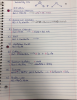 Q: Draw the molecular structure for the equations, the
solubility, and balanced equations. I have written down the
solubility of the reactions. But I am stuck on some of the
equations and I have no idea on how to draw structures as
equations
solublilty:
1.) S
2.) s
3.) S
4.) S
5.) IS
6.) S (slightly)
7.) S (slightly)
8.) S
9.) IS
Solubility Lab Q R € DI water Ammonium Chloride Hot NH4 -> NH4 + Cát HO...
Q: Draw the molecular structure for the equations, the
solubility, and balanced equations. I have written down the
solubility of the reactions. But I am stuck on some of the
equations and I have no idea on how to draw structures as
equations
solublilty:
1.) S
2.) s
3.) S
4.) S
5.) IS
6.) S (slightly)
7.) S (slightly)
8.) S
9.) IS
Solubility Lab Q R € DI water Ammonium Chloride Hot NH4 -> NH4 + Cát HO...
 NH2 Inaphthal S0₂H Paminobenzenesulfonic acid Write a balanced equation for the preparation of the diazonium ich. Draw a possible structure for your azo dye.
 Convert playlist Diction QUESTIONS 1. (2 Points) Why is it essential to keep the diazonium salt at zero degrees while you are preparing the sodium 2-naphthoxide solution? 2. (2 Points) Would you need to use sodium carbonate for the diazotization of meta- nitroaniline? Explain your answer. 3. (2 Points) What would be the IUPAC name for the azo dye if you would have used p-chloroaniline instead of sulfanilic acid? Experiment 12 4. (4 Points) Calculate the theoretical yield for Orange...
 2. Draw the structure of the byproduct that would be formed if the reaction mixture were not kept in an ice bath during the azo coupling reaction. [2 pts) Methyl orange can be synthesized using an azo coupling reaction, which is an example of an electrophilic aromatic substitution (EAS). In an azo coupling, the electrophile is an aryldiazonium salt, and the nucleophile is another electron-rich aromatic compound (typically an aniline or phenol). In this experiment, sulfanilic acid will be converted...
 Find the 16 products from the reactions A1-4, B1-4, C1-4, D1-4 and the product names. Possible aromatic coupling reagents: Possible aminobenzenesulfonic acids: H2N OH, 2-naphthtol HNY A A aminobenzene sulfanilic acid (4- aminobenzene sulfonic acid) SOH H2N SO3H 2 1-naphthol metanilic acid (3- aminobenzene sulfonic acid) OH H2N CO2H 3 salicylic acid 2-aminobenzene sulfonic acid SO3H H2N PANH SONHA D 4 -nitroaniline 8-anilo-1- naphthalene- sulfonics acid ammonium salt NO2 Include a scheme and reagent table, for the specific reaction that...
 Would someone help me to solve these questions? Thanks
in advanced
Questions 1. Draw the mechanism of the formation of the diazonium salt from sulfanilic acid. 2. Draw the mechanism of the reaction of N,N-dimethylaniline and the diazonium salt of sulfanilic acid to form the azo dye. 3. Why does the dimethylaniline couple with the diazonium salt at the para position of the ring? 4. What would be the result if copper (I) chloride were added to the diazonium salt...
Would someone help me to solve these questions? Thanks
in advanced
Questions 1. Draw the mechanism of the formation of the diazonium salt from sulfanilic acid. 2. Draw the mechanism of the reaction of N,N-dimethylaniline and the diazonium salt of sulfanilic acid to form the azo dye. 3. Why does the dimethylaniline couple with the diazonium salt at the para position of the ring? 4. What would be the result if copper (I) chloride were added to the diazonium salt...
 Post Lab Questions 1. Explain the chemical difference between direct dyes and ingrain dyes. 2. Draw the diazonium salt produced when sulfanilic acid is reacted with sodium nitrite and hydrochloric acid. Next draw the dye that is produced when the diazonium salt is reacted with the 2-naphthol anion. What is the name of this dye? 3. Which direct dyeing procedure worked best for Orange I1? Briefly explain. 4. Compare ing rain dyeing and direct dyeing with Orange II. Which worked...
 Q: Draw the molecular structure for the equations, the
solubility, and balanced equations. I have written down the
solubility of the reactions. But I am stuck on some of the
equations and I have no idea on how to draw structures as
equations
solublilty:
1.) S
2.) s
3.) S
4.) S
5.) IS
6.) S (slightly)
7.) S (slightly)
8.) S
9.) IS
Solubility Lab Q R € DI water Ammonium Chloride Hot NH4 -> NH4 + Cát HO...
Q: Draw the molecular structure for the equations, the
solubility, and balanced equations. I have written down the
solubility of the reactions. But I am stuck on some of the
equations and I have no idea on how to draw structures as
equations
solublilty:
1.) S
2.) s
3.) S
4.) S
5.) IS
6.) S (slightly)
7.) S (slightly)
8.) S
9.) IS
Solubility Lab Q R € DI water Ammonium Chloride Hot NH4 -> NH4 + Cát HO...
Most questions answered within 3 hours.
-
Where is the error in this code sequence?
String s1 = "Hello";
String s2 = "ello";...
asked 10 months ago -
Financial data for Joel de Paris, Inc., for last year
follow:
Joel de Paris, Inc.
Balance...
asked 10 months ago -
Consider this reaction:
Al2(SO4)3 (aq)+ BaCl3
(aq) Al2Cl6 (aq)- +
3BaSO4(s) . What is the...
asked 10 months ago -
Suppose that Savneet is considering increasing her
recent random sample from 20 car rentals to 40...
asked 10 months ago -
Trucks arrive at an unloading terminal at an average rate of 120
per hour.
Trucks arrive...
asked 10 months ago -
Why are methanol and ethanol completely soluble in water while
octanol is not very little soluble....
asked 10 months ago -
A facilities manager at a university reads in a research report
that the mean amount of...
asked 10 months ago -
When the CuSO4 is rehydrated by adding water to the anhydrous
compound, is this an endothermic...
asked 10 months ago -
A ray of sunlight is passing from diamond into crown glass; the
angle of incidence is...
asked 10 months ago -
A block of mass 0.249 kg is placed on top of a light, vertical
spring of...
asked 10 months ago -
how do the kidneys compensate in the presences of acidosis
a) trigger hyperventilate
b) reserve acid...
asked 10 months ago -
Question 501 pts
The rental rate of capital to the firm increases. Which of the
following...
asked 10 months ago