The digestive enzyme trypsin has a peak reaction rate at about 7.5 pH. Pepsin, an enzyme...
Homework Answers
Enzymes are most active at optimal pH, and any variation in pH beyond the optimal pH would cause a reduction in enzyme activity. Since the enzymes are proteins they have amino acids which have ionizable side chains. This is due to protonation of side chains in acidic pH and deprotonation in basic pH that alters the shape of the active site and the properties of the substrates too.
At pH 7.5 a number of active site amino acids are deprotonated in the pepsin rendering it less active
At pH 2 a number of active site amino acids are protonated in the trypsin rendering it less active
Add Answer to:
The digestive enzyme trypsin has a peak reaction rate at about
7.5 pH. Pepsin, an enzyme...
Model 1 - Two Digestive Enzymes lipase Triglycerides glycerol + fatty acids pepsin Large polypeptides smaller...
 Model 1 - Two Digestive Enzymes lipase Triglycerides glycerol + fatty acids pepsin Large polypeptides smaller polypeptides + amino acids Effect of pH on Enzyme Activity Rate of reaction Pepsin (stomach) - -Lipase 0 2 4 6 8 10 12 pH 3. For each enzyme in Model 1, circle the pH that best represents the environment in which the enzyme is most active. Pepsin 1.5 10.4 Lipase 1.5 8 10.4
4.) The enzyme, pepsin, is one that hudrolvess proteins in the stomach, where the pH Is...
 4.) The enzyme, pepsin, is one that hudrolvess proteins in the stomach, where the pH Is aboun 2 due to stomach acidx, into individual amino acids a) What would you expect to happen so the activity of the enzyme pepsin when in exits the stomach and enters the small imestine where the pi is about ? b.) Amylase is found in saliva where hydrolysis of starches begins. What would you expeet to happen to the activity of the enryme amylase...
Enzymes Temperature is an important factor that can regulate enzyme-mediated functions. Temperature is one of the...
 Enzymes Temperature is an important factor that can regulate enzyme-mediated functions. Temperature is one of the tightly homeostatically controlled variables in the human body. What are the symptoms of loss of temperature control during a high fever? Explain why these symptoms occur based on enzyme function and cell signaling effects that are dependent on temperature. Based on Figure 1, explain how the temperature optimum of the activity of enzymes is expected to differ in organisms depending on where they live....
Test your knowledge: 1. pH of our stomach is 2. Your stomach produces an enzyme called...
 Test your knowledge: 1. pH of our stomach is 2. Your stomach produces an enzyme called pepsin which helps with protein digestion. In the stomach the big proteins start to get broken down and form smaller polypeptides. Complete the reaction below to show what is happening? high medium Draw a line to show what you would expect in the accompanying graph. Explain why? 2. low 2 4 pH level 59
POSTLAB QUESTIONS Name: Masa Ahmad 1. What were the optimal pH, temperature and enzyme concentration for...
 POSTLAB QUESTIONS Name: Masa Ahmad 1. What were the optimal pH, temperature and enzyme concentration for catalase? 2. Define the term denatured. Denatured is the Breaking the bonds on the molecules such as proteins 3. Which condition tested in lab denatured the catalase? 4. Why does product production slow down over time, even at optimal pH, temperature and enzyme concentration? 5. Amylase is an enzyme that is produced in human salivary glands and secreted into the mouth to aid in...
CHAPTER 2 pH-specific requirement? 5. Which enzyme has the most Based on the optimum pH for...
 CHAPTER 2 pH-specific requirement? 5. Which enzyme has the most Based on the optimum pH for pepsin, in which organ would you expect to find pepsinf 6. 7. Arginase is one of the enzymes in a sequence of reactions that converts ammonia into urea. Use this information to explain why arginase has an optimal pH of around 10. Complete the following table by filling each line with the correct value. The All or Nothing Principle applies to this question. Therefore,...
61.Chromosomes are visible in a light microscope during which of the phases 8f thE 2U cycle?...
 61.Chromosomes are visible in a light microscope during which of the phases 8f thE 2U cycle? a. Gl/S/ G2 All 5 phases of M c. b. d. Late Telophase only 62. The role of oxygen in aerobic respiration is Act as an electron donor during glycolysis b. a. Act as an electron acceptor during the electron transport chain It has no role in aerobic respiration d. c. It regenerates NAD from NADP 63. The four phases of aerobic cellular respiration...
Discussion Questions 1. Write the decomposition chemical reaction for the effect of catalase on hydrogen peroxide....
 Discussion Questions 1. Write the decomposition chemical reaction for the effect of catalase on hydrogen peroxide. Indicate the substrate, the enzyme, and the products. Explain why this chemical reaction is an important biological function. 2. Each enzyme operates at an ideal pH and temperature, which may vary for other enzymes. (a) Pepsin is an enzyme found in the human stomach for digesting protein. What would be the optimum pH conditions for pepsin? What effect does entry into the intestines have...
Each enzyme has a pH at which apeed of the of an enzyme at diff reaction...
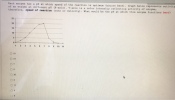 Each enzyme has a pH at which apeed of the of an enzyme at diff reaction is optimum (occurs best). Graph below represents activity erent pH (x-axis). Y-axis is a color intenaity reflecting activity of enzyme, rreaction (rate or velocity) - What would be the pH at which this enzyme functions best? 25 20 15 10 1 2 3 45 6 79 10 11 O 10 0 14 20 O 11
Each day, the pancreas produces up to 1.5 L of pancreatic juices that enter the duodenum...
 Each day, the pancreas produces up to 1.5 L of pancreatic juices that enter the duodenum via the pancreatic duct. The pancreatic juices consist of water, salts, bicarbonate ions, and digestive enzymes. Bicarbonate ion raises the pH of the acidic chyme from the stomach, stopping the active ity of pepsin and allowing the pancreatic and intestinal enzymes to function. The various pancre. atic enzymes and their substrates are listed in Table 10.2. Table 10.2 Various enzymes produced by the pancreas...
 Model 1 - Two Digestive Enzymes lipase Triglycerides glycerol + fatty acids pepsin Large polypeptides smaller polypeptides + amino acids Effect of pH on Enzyme Activity Rate of reaction Pepsin (stomach) - -Lipase 0 2 4 6 8 10 12 pH 3. For each enzyme in Model 1, circle the pH that best represents the environment in which the enzyme is most active. Pepsin 1.5 10.4 Lipase 1.5 8 10.4
 4.) The enzyme, pepsin, is one that hudrolvess proteins in the stomach, where the pH Is aboun 2 due to stomach acidx, into individual amino acids a) What would you expect to happen so the activity of the enzyme pepsin when in exits the stomach and enters the small imestine where the pi is about ? b.) Amylase is found in saliva where hydrolysis of starches begins. What would you expeet to happen to the activity of the enryme amylase...
 Enzymes Temperature is an important factor that can regulate enzyme-mediated functions. Temperature is one of the tightly homeostatically controlled variables in the human body. What are the symptoms of loss of temperature control during a high fever? Explain why these symptoms occur based on enzyme function and cell signaling effects that are dependent on temperature. Based on Figure 1, explain how the temperature optimum of the activity of enzymes is expected to differ in organisms depending on where they live....
 Test your knowledge: 1. pH of our stomach is 2. Your stomach produces an enzyme called pepsin which helps with protein digestion. In the stomach the big proteins start to get broken down and form smaller polypeptides. Complete the reaction below to show what is happening? high medium Draw a line to show what you would expect in the accompanying graph. Explain why? 2. low 2 4 pH level 59
 POSTLAB QUESTIONS Name: Masa Ahmad 1. What were the optimal pH, temperature and enzyme concentration for catalase? 2. Define the term denatured. Denatured is the Breaking the bonds on the molecules such as proteins 3. Which condition tested in lab denatured the catalase? 4. Why does product production slow down over time, even at optimal pH, temperature and enzyme concentration? 5. Amylase is an enzyme that is produced in human salivary glands and secreted into the mouth to aid in...
 CHAPTER 2 pH-specific requirement? 5. Which enzyme has the most Based on the optimum pH for pepsin, in which organ would you expect to find pepsinf 6. 7. Arginase is one of the enzymes in a sequence of reactions that converts ammonia into urea. Use this information to explain why arginase has an optimal pH of around 10. Complete the following table by filling each line with the correct value. The All or Nothing Principle applies to this question. Therefore,...
 61.Chromosomes are visible in a light microscope during which of the phases 8f thE 2U cycle? a. Gl/S/ G2 All 5 phases of M c. b. d. Late Telophase only 62. The role of oxygen in aerobic respiration is Act as an electron donor during glycolysis b. a. Act as an electron acceptor during the electron transport chain It has no role in aerobic respiration d. c. It regenerates NAD from NADP 63. The four phases of aerobic cellular respiration...
 Discussion Questions 1. Write the decomposition chemical reaction for the effect of catalase on hydrogen peroxide. Indicate the substrate, the enzyme, and the products. Explain why this chemical reaction is an important biological function. 2. Each enzyme operates at an ideal pH and temperature, which may vary for other enzymes. (a) Pepsin is an enzyme found in the human stomach for digesting protein. What would be the optimum pH conditions for pepsin? What effect does entry into the intestines have...
 Each enzyme has a pH at which apeed of the of an enzyme at diff reaction is optimum (occurs best). Graph below represents activity erent pH (x-axis). Y-axis is a color intenaity reflecting activity of enzyme, rreaction (rate or velocity) - What would be the pH at which this enzyme functions best? 25 20 15 10 1 2 3 45 6 79 10 11 O 10 0 14 20 O 11
 Each day, the pancreas produces up to 1.5 L of pancreatic juices that enter the duodenum via the pancreatic duct. The pancreatic juices consist of water, salts, bicarbonate ions, and digestive enzymes. Bicarbonate ion raises the pH of the acidic chyme from the stomach, stopping the active ity of pepsin and allowing the pancreatic and intestinal enzymes to function. The various pancre. atic enzymes and their substrates are listed in Table 10.2. Table 10.2 Various enzymes produced by the pancreas...
Most questions answered within 3 hours.
-
Where is the error in this code sequence?
String s1 = "Hello";
String s2 = "ello";...
asked 11 months ago -
Financial data for Joel de Paris, Inc., for last year
follow:
Joel de Paris, Inc.
Balance...
asked 11 months ago -
Consider this reaction:
Al2(SO4)3 (aq)+ BaCl3
(aq) Al2Cl6 (aq)- +
3BaSO4(s) . What is the...
asked 11 months ago -
Suppose that Savneet is considering increasing her
recent random sample from 20 car rentals to 40...
asked 11 months ago -
Trucks arrive at an unloading terminal at an average rate of 120
per hour.
Trucks arrive...
asked 11 months ago -
Why are methanol and ethanol completely soluble in water while
octanol is not very little soluble....
asked 11 months ago -
A facilities manager at a university reads in a research report
that the mean amount of...
asked 11 months ago -
When the CuSO4 is rehydrated by adding water to the anhydrous
compound, is this an endothermic...
asked 11 months ago -
A ray of sunlight is passing from diamond into crown glass; the
angle of incidence is...
asked 11 months ago -
A block of mass 0.249 kg is placed on top of a light, vertical
spring of...
asked 11 months ago -
how do the kidneys compensate in the presences of acidosis
a) trigger hyperventilate
b) reserve acid...
asked 11 months ago -
Question 501 pts
The rental rate of capital to the firm increases. Which of the
following...
asked 11 months ago