One of the primary advantages of marketing logistics is ________________. A. Cost savings in inventory management...
One of the primary advantages of marketing logistics is ________________.
A. Cost savings in inventory management
B. improved customer satisfaction and fast time to market
C. potentially high cost savings and improved customer satisfaction
D. maximizing inbound, outbound, and reverse logistics
Homework Answers
Pl rate
C. potentially high cost savings and improved customer satisfaction
marketing logistics is an area of potentially high cost savings
and improved customer satisfaction outbound, inbound, and reverse
logistics involves entire supply chain management no logistics
system can both maximize customer service and minimize distribution
costs instead, the goal is to provide a targeted level of service
at the least cost major logistics functions: warehousing, inventory
management, transportation and logistics information
management
companies can achieve logistics harmony among functions by creating
cross-functional logistics teams, integrative supply manager
positions,
Add Answer to:
One of the primary advantages of marketing logistics is ________________. A. Cost savings in inventory management...
Leveraging Supply-Chain and Logistics Management Logistic Chain Management: A marketing channel relies on logistics to make...
Leveraging Supply-Chain and Logistics Management Logistic Chain Management: A marketing channel relies on logistics to make products available to consumers and industrial users. Logistics involves those activities that focus on getting the right amount of the right products to the right place at the right time at the lowest possible cost. The performance of these activities is logistics management, the practice of organizing the cost-effective flow of raw materials, in-process inventory, finished goods and related information from point of origin...
What is the Value-Chain analysis for eHarmony? eHarmony (the online dating website) VALUE CHAIN ANALYSIS (example...
 What is the Value-Chain analysis for eHarmony?
eHarmony (the online dating website)
VALUE CHAIN ANALYSIS (example printing company) Firm infrastructure: General management, Planning Management, Legal, Finance, Accounting Human Resource Management: Recruitment, Retention, Training, R&D Support Processes Technology Development: Continuous improvement in printing & finishing assets Procurement of Resources: Purchasing paper, printing consumables and other finishing consumables Competitive Advantage Inbound Logistics Outbound Logistics Marketing and Sales Service Operations Primary Business Processes • Reception • Storage • Inventory control • Transportation planning...
What is the Value-Chain analysis for eHarmony?
eHarmony (the online dating website)
VALUE CHAIN ANALYSIS (example printing company) Firm infrastructure: General management, Planning Management, Legal, Finance, Accounting Human Resource Management: Recruitment, Retention, Training, R&D Support Processes Technology Development: Continuous improvement in printing & finishing assets Procurement of Resources: Purchasing paper, printing consumables and other finishing consumables Competitive Advantage Inbound Logistics Outbound Logistics Marketing and Sales Service Operations Primary Business Processes • Reception • Storage • Inventory control • Transportation planning...
QUESTION 27 What is the cost of crashing the project represented in the table below, by...
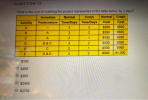 QUESTION 27 What is the cost of crashing the project represented in the table below, by 3 days? Immediate Normal Crash Normal Crash Activity Predecessors Time/Days Time/Days Cost Cost А 3 2 $200 $500 B А 3 2 $350 $550 С А 2 1 $300 $250 D B&C 3 $500 $550 E С 2 $500 $900 F D&E . $500 $1,000 NN $150 $450 $550 $2450 $2750 QUESTION 1 According to Michael Porter, the primary activities in a value chain...
Marketing Course SUDO- EXERCISE TWELVE INVENTORY MANAGEMENT COMPLETE AND PLACE IN DROPBOX BY 6:00PM Date Team...
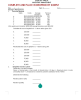 Marketing Course
SUDO- EXERCISE TWELVE INVENTORY MANAGEMENT COMPLETE AND PLACE IN DROPBOX BY 6:00PM Date Team # Name Inventory Management 1. Turnover analysis Sales Costs Average Turnov er Inventory Rate $500,000$300,000$200,000 1.5 500,000300,000 150,000 2.0 500,000300,000 100,000 3.0 500.000300.000 75.000 4.0 500,000300,000 60,000 500,000300,000 50,000 10% capital cost, therefore, $200,000 average inventory costs $20,000 Calculate the cost of capital for b f above at the given 10% 150,000 100,000 75,000 60,000 50,000 Recalculate the cost of capital for a -fabove...
Marketing Course
SUDO- EXERCISE TWELVE INVENTORY MANAGEMENT COMPLETE AND PLACE IN DROPBOX BY 6:00PM Date Team # Name Inventory Management 1. Turnover analysis Sales Costs Average Turnov er Inventory Rate $500,000$300,000$200,000 1.5 500,000300,000 150,000 2.0 500,000300,000 100,000 3.0 500.000300.000 75.000 4.0 500,000300,000 60,000 500,000300,000 50,000 10% capital cost, therefore, $200,000 average inventory costs $20,000 Calculate the cost of capital for b f above at the given 10% 150,000 100,000 75,000 60,000 50,000 Recalculate the cost of capital for a -fabove...
CHAPTER ONE 1) Cost Accounting: a) Is concerned with assigning costs to various cost objects. b)...
 CHAPTER ONE 1) Cost Accounting: a) Is concerned with assigning costs to various cost objects. b) Attempts to satisfy the costing objectives of both financial and management accounting. c) Provides cost information the supports planning, controlling and decision making. d) All of the above. Answer: D (2 points) 2) Cost management information systems further competitive advantage by supporting three fundamental organizational goals. Which of the following is NOT one of these fundamental goals? a) Improved time based performance. b) Improved...
1. ____ are the primary assets of those savings institutions whose Total Assets are under...
1. ____ are the primary assets of those savings institutions whose Total Assets are under $50 Billion. A. Mortgages B. Cash balances C. Investment securities D. Business loans E. Customer deposits 2. The predominant liabilities for savings institutions with less than $50 Billion in Total Assets are: A. commercial deposits B. wholesale money market notes and reserves at the Fed. C. transaction accounts, MMDAs and other savings deposits, and time deposits. D. money market mutual funds. E. FHLB borrowings....
1-The term “supply chain management” is one of the most confusing and misused terms in business....
1-The term “supply chain management” is one of the most confusing and misused terms in business. For our purposes, supply chain management: a)plans, implements and controls the efficient, effective flow and storage of goods, services, and related information between the point of origin and the port of consumption in order to meet customers’ requirements. b)is the integration of key business processes from end user through original suppliers, that provides products, services, and information that add value for customers and other...
What is one of the four elements of the process cycle for customer relationship management? Select...
What is one of the four elements of the process cycle for customer relationship management? Select one: a. customer interaction b. customer satisfaction c. customer loyalty d. customer profitability e. customer support It is possible today to calculate the total financial returns for each customer. Select one: True False What type of marketing analytics is being used when data is used from likes for posts on Facebook? Select one: a. Web analytics b. retail analytics c. demographic analytics d. social...
An ineffective management of a logistics system can produce instability. One of the effects due t...
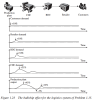 An ineffective management of a logistics system can produce
instability. One of the effects due to mismanagement is known as
the bullwhip effect : a small fluctuation in customer demand can
cause amplified fluctuations in material flows orders over time via
the upstream supply chain itself. This particular phenomenon was
first recognized by the managers of Procter & Gamble who
noticed significant variability of sellers’ orders despite the fact
that consumer demand remained constant; this is because the orders
were...
An ineffective management of a logistics system can produce
instability. One of the effects due to mismanagement is known as
the bullwhip effect : a small fluctuation in customer demand can
cause amplified fluctuations in material flows orders over time via
the upstream supply chain itself. This particular phenomenon was
first recognized by the managers of Procter & Gamble who
noticed significant variability of sellers’ orders despite the fact
that consumer demand remained constant; this is because the orders
were...
The traditional approach to inventory management generally involves A minimizing item cost. B maintaining inventory levels...
The traditional approach to inventory management generally involves A minimizing item cost. B maintaining inventory levels so that production can continue even if inventory use is greater than expected. C high stockout costs. D receiving goods or services just prior to the time they are needed.
 What is the Value-Chain analysis for eHarmony?
eHarmony (the online dating website)
VALUE CHAIN ANALYSIS (example printing company) Firm infrastructure: General management, Planning Management, Legal, Finance, Accounting Human Resource Management: Recruitment, Retention, Training, R&D Support Processes Technology Development: Continuous improvement in printing & finishing assets Procurement of Resources: Purchasing paper, printing consumables and other finishing consumables Competitive Advantage Inbound Logistics Outbound Logistics Marketing and Sales Service Operations Primary Business Processes • Reception • Storage • Inventory control • Transportation planning...
What is the Value-Chain analysis for eHarmony?
eHarmony (the online dating website)
VALUE CHAIN ANALYSIS (example printing company) Firm infrastructure: General management, Planning Management, Legal, Finance, Accounting Human Resource Management: Recruitment, Retention, Training, R&D Support Processes Technology Development: Continuous improvement in printing & finishing assets Procurement of Resources: Purchasing paper, printing consumables and other finishing consumables Competitive Advantage Inbound Logistics Outbound Logistics Marketing and Sales Service Operations Primary Business Processes • Reception • Storage • Inventory control • Transportation planning...
 QUESTION 27 What is the cost of crashing the project represented in the table below, by 3 days? Immediate Normal Crash Normal Crash Activity Predecessors Time/Days Time/Days Cost Cost А 3 2 $200 $500 B А 3 2 $350 $550 С А 2 1 $300 $250 D B&C 3 $500 $550 E С 2 $500 $900 F D&E . $500 $1,000 NN $150 $450 $550 $2450 $2750 QUESTION 1 According to Michael Porter, the primary activities in a value chain...
 Marketing Course
SUDO- EXERCISE TWELVE INVENTORY MANAGEMENT COMPLETE AND PLACE IN DROPBOX BY 6:00PM Date Team # Name Inventory Management 1. Turnover analysis Sales Costs Average Turnov er Inventory Rate $500,000$300,000$200,000 1.5 500,000300,000 150,000 2.0 500,000300,000 100,000 3.0 500.000300.000 75.000 4.0 500,000300,000 60,000 500,000300,000 50,000 10% capital cost, therefore, $200,000 average inventory costs $20,000 Calculate the cost of capital for b f above at the given 10% 150,000 100,000 75,000 60,000 50,000 Recalculate the cost of capital for a -fabove...
Marketing Course
SUDO- EXERCISE TWELVE INVENTORY MANAGEMENT COMPLETE AND PLACE IN DROPBOX BY 6:00PM Date Team # Name Inventory Management 1. Turnover analysis Sales Costs Average Turnov er Inventory Rate $500,000$300,000$200,000 1.5 500,000300,000 150,000 2.0 500,000300,000 100,000 3.0 500.000300.000 75.000 4.0 500,000300,000 60,000 500,000300,000 50,000 10% capital cost, therefore, $200,000 average inventory costs $20,000 Calculate the cost of capital for b f above at the given 10% 150,000 100,000 75,000 60,000 50,000 Recalculate the cost of capital for a -fabove...
 CHAPTER ONE 1) Cost Accounting: a) Is concerned with assigning costs to various cost objects. b) Attempts to satisfy the costing objectives of both financial and management accounting. c) Provides cost information the supports planning, controlling and decision making. d) All of the above. Answer: D (2 points) 2) Cost management information systems further competitive advantage by supporting three fundamental organizational goals. Which of the following is NOT one of these fundamental goals? a) Improved time based performance. b) Improved...
 An ineffective management of a logistics system can produce
instability. One of the effects due to mismanagement is known as
the bullwhip effect : a small fluctuation in customer demand can
cause amplified fluctuations in material flows orders over time via
the upstream supply chain itself. This particular phenomenon was
first recognized by the managers of Procter & Gamble who
noticed significant variability of sellers’ orders despite the fact
that consumer demand remained constant; this is because the orders
were...
An ineffective management of a logistics system can produce
instability. One of the effects due to mismanagement is known as
the bullwhip effect : a small fluctuation in customer demand can
cause amplified fluctuations in material flows orders over time via
the upstream supply chain itself. This particular phenomenon was
first recognized by the managers of Procter & Gamble who
noticed significant variability of sellers’ orders despite the fact
that consumer demand remained constant; this is because the orders
were...
Most questions answered within 3 hours.
-
Where is the error in this code sequence?
String s1 = "Hello";
String s2 = "ello";...
asked 11 months ago -
Financial data for Joel de Paris, Inc., for last year
follow:
Joel de Paris, Inc.
Balance...
asked 11 months ago -
Consider this reaction:
Al2(SO4)3 (aq)+ BaCl3
(aq) Al2Cl6 (aq)- +
3BaSO4(s) . What is the...
asked 11 months ago -
Suppose that Savneet is considering increasing her
recent random sample from 20 car rentals to 40...
asked 11 months ago -
Trucks arrive at an unloading terminal at an average rate of 120
per hour.
Trucks arrive...
asked 11 months ago -
Why are methanol and ethanol completely soluble in water while
octanol is not very little soluble....
asked 11 months ago -
A facilities manager at a university reads in a research report
that the mean amount of...
asked 11 months ago -
When the CuSO4 is rehydrated by adding water to the anhydrous
compound, is this an endothermic...
asked 11 months ago -
A ray of sunlight is passing from diamond into crown glass; the
angle of incidence is...
asked 11 months ago -
A block of mass 0.249 kg is placed on top of a light, vertical
spring of...
asked 11 months ago -
how do the kidneys compensate in the presences of acidosis
a) trigger hyperventilate
b) reserve acid...
asked 11 months ago -
Question 501 pts
The rental rate of capital to the firm increases. Which of the
following...
asked 11 months ago