
Homework Answers

Add Answer to:
Benzene can be converted to 1,3,5-tribromobenzene in five reaction steps and four intermediate compounds. Select the...
Benzene can be converted to 1,3,5-tribromobenzene in five reaction steps and four intermediate compounds. Select the...
 Benzene can be converted to 1,3,5-tribromobenzene in five
reaction steps and four intermediate compounds. Select the
appropriate reagent from the drop-down list for each step in this
overall synthesis. (All drop down menus have the same
reagants).
Benzene can be converted to 1,3,5-tribromobenzene in five reaction steps and four intermediate compounds. Select the appropriate reagent from the drop-down list for each step in this overall synthesis. Step 1 Step 2 Step 3 Step 4 Step 5 Br Br Br Reagents...
Benzene can be converted to 1,3,5-tribromobenzene in five
reaction steps and four intermediate compounds. Select the
appropriate reagent from the drop-down list for each step in this
overall synthesis. (All drop down menus have the same
reagants).
Benzene can be converted to 1,3,5-tribromobenzene in five reaction steps and four intermediate compounds. Select the appropriate reagent from the drop-down list for each step in this overall synthesis. Step 1 Step 2 Step 3 Step 4 Step 5 Br Br Br Reagents...
Benzene can be converted to 1,3,5-tribromobenzene in five reaction steps and four intermediate compounds. Select the...
 Benzene can be converted to 1,3,5-tribromobenzene in five
reaction steps and four intermediate compounds. Select the
appropriate reagent from the drop-down list for each step in this
overall synthesis.
Step 1=?
Step 2=?
Step 3=?
Step 4=?
Step 5=?
Options for each step:
Br2, R2O2
CH3Cl, AlCl3
CH3COCl, AlCl3
NaNO2, HCl
HNO3, H2SO4
H3PO2
H3PO4
KMnO4
1) Sn, HCl; 2)OH-
Br2
Benzene can be converted to 1,3,5-tribromobenzene in five reaction steps and four intermediate compounds. Select the appropriate reagent from...
Benzene can be converted to 1,3,5-tribromobenzene in five
reaction steps and four intermediate compounds. Select the
appropriate reagent from the drop-down list for each step in this
overall synthesis.
Step 1=?
Step 2=?
Step 3=?
Step 4=?
Step 5=?
Options for each step:
Br2, R2O2
CH3Cl, AlCl3
CH3COCl, AlCl3
NaNO2, HCl
HNO3, H2SO4
H3PO2
H3PO4
KMnO4
1) Sn, HCl; 2)OH-
Br2
Benzene can be converted to 1,3,5-tribromobenzene in five reaction steps and four intermediate compounds. Select the appropriate reagent from...
Benzene can be converted to 2,4,6-tribromoaniline in three reaction steps and two intermediate compounds. Select the...
 Benzene can be converted to 2,4,6-tribromoaniline in three
reaction steps and two intermediate compounds. Select the
appropriate reagent from the drop-down list for each step in this
overall synthesis.
Benzene can be converted to 2,4,6-tribromoaniline in three reaction steps and two intermediate compounds. Select the appropriate reagent from the drop-down list for each step in this overall synthesis.
Benzene can be converted to 2,4,6-tribromoaniline in three
reaction steps and two intermediate compounds. Select the
appropriate reagent from the drop-down list for each step in this
overall synthesis.
Benzene can be converted to 2,4,6-tribromoaniline in three reaction steps and two intermediate compounds. Select the appropriate reagent from the drop-down list for each step in this overall synthesis.
What are the correct choices for the three steps? Benzene can be converted to 2, 4,...
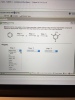 What are the correct choices for the three steps?
Benzene can be converted to 2, 4, 6-tnbromoamlme in three reaction steps and two intermediate compounds Select the appropriate reagent from the drop-down list for each step in this overall synthesis.
What are the correct choices for the three steps?
Benzene can be converted to 2, 4, 6-tnbromoamlme in three reaction steps and two intermediate compounds Select the appropriate reagent from the drop-down list for each step in this overall synthesis.
The most common method for the synthesis of unsymmetrical ethers is the Williamson synthesis, a reaction (SN2) of an a...
 The most common method for the
synthesis of unsymmetrical ethers is the Williamson synthesis, a
reaction (SN2) of an alkoxide ion with an alkyl halide. Two
pathways are possible, but often one is preferred. Construct the
preferred pathway for the synthesis of 2-propoxypropane from
propene, with propene-derived alkyl halide and alkoxide
intermediates, by dragging the appropriate compounds into their
bins and selecting the reagents from the drop-down list.
The most common method for the synthesis of unsymmetrical ethers is the...
The most common method for the
synthesis of unsymmetrical ethers is the Williamson synthesis, a
reaction (SN2) of an alkoxide ion with an alkyl halide. Two
pathways are possible, but often one is preferred. Construct the
preferred pathway for the synthesis of 2-propoxypropane from
propene, with propene-derived alkyl halide and alkoxide
intermediates, by dragging the appropriate compounds into their
bins and selecting the reagents from the drop-down list.
The most common method for the synthesis of unsymmetrical ethers is the...
In the following reaction sequence, draw the intermediate formed after the first two steps, then select...
 In the following reaction sequence, draw the intermediate formed
after the first two steps, then select the reagents for each of the
next five steps. A reagent might be used more than once. (Draw the
most stable form of the intermediate).
Hint: The reaction intermediate prepared from the first two
steps has a very acidic ?-hydrogen.
In the following reaction sequence, draw the intermediate formed
after the first two steps, then select the reagents for each of the
next five steps. A reagent might be used more than once. (Draw the
most stable form of the intermediate).
Hint: The reaction intermediate prepared from the first two
steps has a very acidic ?-hydrogen.
Multistep Synthesis (9 pts) Show how to convert benzene into at least one of the molecules...
 Multistep Synthesis (9 pts) Show how to convert benzene into at least one of the molecules below using any reagent. You should be able to do this in three steps but this is not a required minimum or maximum. If you are not sure of an intermediate step put down structures and as much as you know about reagents to maximize partial credit. You may attempt more than one and the best will be graded. It is ok if a...
In the following reaction sequence, draw the intermediate formed after the first two steps, then select...
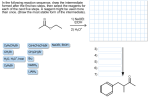 In the following reaction sequence, draw the intermediate formed after the first two steps, then select the reagents for each of the next five steps. A reagent might be used more than once. (Draw the most stable form of the intermediate).
In the following reaction sequence, draw the intermediate formed after the first two steps, then select...
 In the following reaction sequence, draw the intermediate formed after the first two steps, then select the reagents for each of the next five steps. A reagent might be used more than once. (Draw the most stable form of the intermediate).
In the following reaction sequence, draw the intermediate formed after the first two steps, then select...
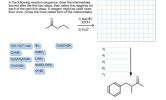 In the following reaction sequence, draw the intermediate formed after the first two steps, then select the reagents for each of the next five steps. A reagent might be used more than once. (Draw the most stable form of the intermediate).
 Benzene can be converted to 1,3,5-tribromobenzene in five
reaction steps and four intermediate compounds. Select the
appropriate reagent from the drop-down list for each step in this
overall synthesis. (All drop down menus have the same
reagants).
Benzene can be converted to 1,3,5-tribromobenzene in five reaction steps and four intermediate compounds. Select the appropriate reagent from the drop-down list for each step in this overall synthesis. Step 1 Step 2 Step 3 Step 4 Step 5 Br Br Br Reagents...
Benzene can be converted to 1,3,5-tribromobenzene in five
reaction steps and four intermediate compounds. Select the
appropriate reagent from the drop-down list for each step in this
overall synthesis. (All drop down menus have the same
reagants).
Benzene can be converted to 1,3,5-tribromobenzene in five reaction steps and four intermediate compounds. Select the appropriate reagent from the drop-down list for each step in this overall synthesis. Step 1 Step 2 Step 3 Step 4 Step 5 Br Br Br Reagents...
 Benzene can be converted to 1,3,5-tribromobenzene in five
reaction steps and four intermediate compounds. Select the
appropriate reagent from the drop-down list for each step in this
overall synthesis.
Step 1=?
Step 2=?
Step 3=?
Step 4=?
Step 5=?
Options for each step:
Br2, R2O2
CH3Cl, AlCl3
CH3COCl, AlCl3
NaNO2, HCl
HNO3, H2SO4
H3PO2
H3PO4
KMnO4
1) Sn, HCl; 2)OH-
Br2
Benzene can be converted to 1,3,5-tribromobenzene in five reaction steps and four intermediate compounds. Select the appropriate reagent from...
Benzene can be converted to 1,3,5-tribromobenzene in five
reaction steps and four intermediate compounds. Select the
appropriate reagent from the drop-down list for each step in this
overall synthesis.
Step 1=?
Step 2=?
Step 3=?
Step 4=?
Step 5=?
Options for each step:
Br2, R2O2
CH3Cl, AlCl3
CH3COCl, AlCl3
NaNO2, HCl
HNO3, H2SO4
H3PO2
H3PO4
KMnO4
1) Sn, HCl; 2)OH-
Br2
Benzene can be converted to 1,3,5-tribromobenzene in five reaction steps and four intermediate compounds. Select the appropriate reagent from...
 Benzene can be converted to 2,4,6-tribromoaniline in three
reaction steps and two intermediate compounds. Select the
appropriate reagent from the drop-down list for each step in this
overall synthesis.
Benzene can be converted to 2,4,6-tribromoaniline in three reaction steps and two intermediate compounds. Select the appropriate reagent from the drop-down list for each step in this overall synthesis.
Benzene can be converted to 2,4,6-tribromoaniline in three
reaction steps and two intermediate compounds. Select the
appropriate reagent from the drop-down list for each step in this
overall synthesis.
Benzene can be converted to 2,4,6-tribromoaniline in three reaction steps and two intermediate compounds. Select the appropriate reagent from the drop-down list for each step in this overall synthesis.
 What are the correct choices for the three steps?
Benzene can be converted to 2, 4, 6-tnbromoamlme in three reaction steps and two intermediate compounds Select the appropriate reagent from the drop-down list for each step in this overall synthesis.
What are the correct choices for the three steps?
Benzene can be converted to 2, 4, 6-tnbromoamlme in three reaction steps and two intermediate compounds Select the appropriate reagent from the drop-down list for each step in this overall synthesis.
 The most common method for the
synthesis of unsymmetrical ethers is the Williamson synthesis, a
reaction (SN2) of an alkoxide ion with an alkyl halide. Two
pathways are possible, but often one is preferred. Construct the
preferred pathway for the synthesis of 2-propoxypropane from
propene, with propene-derived alkyl halide and alkoxide
intermediates, by dragging the appropriate compounds into their
bins and selecting the reagents from the drop-down list.
The most common method for the synthesis of unsymmetrical ethers is the...
The most common method for the
synthesis of unsymmetrical ethers is the Williamson synthesis, a
reaction (SN2) of an alkoxide ion with an alkyl halide. Two
pathways are possible, but often one is preferred. Construct the
preferred pathway for the synthesis of 2-propoxypropane from
propene, with propene-derived alkyl halide and alkoxide
intermediates, by dragging the appropriate compounds into their
bins and selecting the reagents from the drop-down list.
The most common method for the synthesis of unsymmetrical ethers is the...
 In the following reaction sequence, draw the intermediate formed
after the first two steps, then select the reagents for each of the
next five steps. A reagent might be used more than once. (Draw the
most stable form of the intermediate).
Hint: The reaction intermediate prepared from the first two
steps has a very acidic ?-hydrogen.
In the following reaction sequence, draw the intermediate formed
after the first two steps, then select the reagents for each of the
next five steps. A reagent might be used more than once. (Draw the
most stable form of the intermediate).
Hint: The reaction intermediate prepared from the first two
steps has a very acidic ?-hydrogen.
 Multistep Synthesis (9 pts) Show how to convert benzene into at least one of the molecules below using any reagent. You should be able to do this in three steps but this is not a required minimum or maximum. If you are not sure of an intermediate step put down structures and as much as you know about reagents to maximize partial credit. You may attempt more than one and the best will be graded. It is ok if a...
 In the following reaction sequence, draw the intermediate formed after the first two steps, then select the reagents for each of the next five steps. A reagent might be used more than once. (Draw the most stable form of the intermediate).
 In the following reaction sequence, draw the intermediate formed after the first two steps, then select the reagents for each of the next five steps. A reagent might be used more than once. (Draw the most stable form of the intermediate).
 In the following reaction sequence, draw the intermediate formed after the first two steps, then select the reagents for each of the next five steps. A reagent might be used more than once. (Draw the most stable form of the intermediate).
Most questions answered within 3 hours.
-
Where is the error in this code sequence?
String s1 = "Hello";
String s2 = "ello";...
asked 10 months ago -
Financial data for Joel de Paris, Inc., for last year
follow:
Joel de Paris, Inc.
Balance...
asked 10 months ago -
Consider this reaction:
Al2(SO4)3 (aq)+ BaCl3
(aq) Al2Cl6 (aq)- +
3BaSO4(s) . What is the...
asked 10 months ago -
Suppose that Savneet is considering increasing her
recent random sample from 20 car rentals to 40...
asked 10 months ago -
Trucks arrive at an unloading terminal at an average rate of 120
per hour.
Trucks arrive...
asked 10 months ago -
Why are methanol and ethanol completely soluble in water while
octanol is not very little soluble....
asked 10 months ago -
A facilities manager at a university reads in a research report
that the mean amount of...
asked 10 months ago -
When the CuSO4 is rehydrated by adding water to the anhydrous
compound, is this an endothermic...
asked 10 months ago -
A ray of sunlight is passing from diamond into crown glass; the
angle of incidence is...
asked 10 months ago -
A block of mass 0.249 kg is placed on top of a light, vertical
spring of...
asked 10 months ago -
how do the kidneys compensate in the presences of acidosis
a) trigger hyperventilate
b) reserve acid...
asked 10 months ago -
Question 501 pts
The rental rate of capital to the firm increases. Which of the
following...
asked 10 months ago