Directions: Respond to these questions, given your role in community health or health service administration. Do...
Directions: Respond to these questions, given your role in community health or health service administration. Do not cut and paste from the sources. Use your own words (no quotes) to respond to the questions.
Questions to answer in your own words after you have read the material.
- What is Zika?
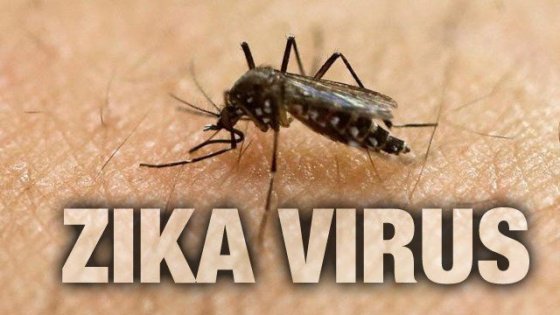
- How do you catch it?
- Where have there been cases?
- Outside the US. borders?
- Inside the US borders?
- How do you prevent mosquito bites?
- Explain the symptoms, diagnosis, and treatment of the Zika virus.
- Explain the link between Zika and microcephaly.
- What are some of the birth outcomes from the Zika Virus?
- What information is given for travelers?
- Identify the 10 components of the WSCC and briefly define each one.
- Select 5 of the WSCC components and identify how you, as a public health worker, will work with the local school district in each of the 5 you selected.
Final statement: Reflective 1 page paper on what you have learned and how it will be helpful in your future as a health educator in your given worksite.
Homework Answers
· Zika virus disease is caused by a virus transmitted primarily by Aedes mosquitoes, which bite during the day. Symptoms are generally mild and include fever, rash, conjunctivitis, muscle and joint pain, malaise or headache. ... Most people with Zika virus infection do not develop symThe CDC has confirmed Zika can spread through sex, usually after a person traveled to an area where Zika had broken out, got the virus, and gave the virus to a sex partner who did not travel. Infected women and men can both pass the virus to sex partners -- even if they haven’t shown symptoms of infection, according to the CDC. In addition, infected pregnant women can pass the virus on to their fetus.
Some atudies have also ahown that virus is found in semem urine ,blood and saliva of infected people.
Found inside the u.s border
- Zika is spread mostly by the bite of an infected Aedesspecies mosquito (Ae. aegypti and Ae. albopictus). These mosquitoes bite during the day and night.
- Prevent Zika by avoiding mosquito bites.
- Zika can be passed from a pregnant woman to her fetus. Infection during pregnancy can cause certain birth defects.
- Zika can be passed through sex from a person who has Zika to his or her sex partners. Condoms can reduce the chance of getting Zika from sex. Condoms include male and female condoms.
- No vaccine is currently available.
- In 2018, no local mosquito-borne Zika virus transmission has been reported in the continental United States.
- The mosquitoes that can spread Zika are found throughout the United States.
Symptoms of the Zika Virus
Headache
Pink eye
Swoolen lymph nodes
Joint pain
Muscle ache
Most people do not experience symptoms
: Diagnosis--
the disease usually only causes mild, flu-like illness, it can become devastating if it occurs during pregnancy, leading in rare cases to a birth defect, called microcephaly, in which the baby is born with an abnormally small head and brain.
It is for this reason that diagnosis is imperative for mothers who may have been exposed to the Zika virus through a mosquito bite. Moreover, because the virus can be passed from man to women during sex, the test—comprised of a combination of blood and urine tests—can identify an infected partner and possibly prevent transmission.
Treatment-
The Zika virus can be frightening since you will often have no idea that you’ve been infected until complications appear. These may include miscarriage and birth defects. In rare instances, a Zika infection can lead to Guillain-Barré syndrome, a nerve disorder that can lead to the loss of motor control.
Unfortunately, there are no medications or vaccines to treat or prevent an infection. Treatment, therefore, is based solely on the management of symptoms and complications.The CDC recommends infected people get plenty of rest, drink fluids to prevent dehydration, and take acetaminophen for fever and pain. Aspirin or other nonsteroidal anti-inflammatory drugs (NSAIDs) should not be taken until dengue is ruled out, to reduce bleeding risk, the agency says.
There is no vaccine against Zika, but the National Institutes of Health is testing one in humans.
Link between zika nad microcephaly-
Zika causes microcephaly in babies born to infected pregnant women, the CDC confirmed this year. Microcephaly stunts a baby’s head growth, causing devastating, sometimes fatal brain damage, and it can result in miscarriage or stillbirth.
there are many causes of microcephaly in babies, including infections during pregnancy, genetic problems, and exposure to toxic substances during pregnancy, the CDC says research has provided enough evidence to show that Zika is among those causes. Research has suggested that infection during the earliest stages of pregnancy, when a baby’s organs are still forming, seems to be linked to the worst outcomes.
However, some studies are showing that fetuses can be harmed by infection later in pregnancy,and evidence is emerging that microcephaly isn’t the only birth defect linked to Zika. In another report, the CDC describes five types of birth defects, including severe microcephaly, that are unique to Zika or rarely occur with other infections in pregnant women. They are:
- Decreased brain tissue with calcium deposits indicating brain damage
- Damage to the back of the eye
- Limited range of motion in joints, such as clubfoot
- Too much muscle tone, which restricts movement
Those effects in babies are called congenital Zika syndrome.
Travel warning--
The CDC has warned pregnant women in any trimester to "consider postponing travel" to a number of countries and territories where Zika transmission is ongoing. A list of countries can be found on the CDC website. But it's important to keep in mind that the list changes frequently and needs to be reviewed frequently as countries become low risk or other countries are added
Th Zika virus arrived in the United States in 2016, with local transmission reported in and around Miami, FL, and Brownsville, TX.
The virus causes birth defects in babies born to some infected pregnant women, including microcephaly, where babies are born with underdeveloped heads and brain damage. Zika has also been linked to Guillain-Barre syndrome, a condition in which the immune system attacks the nerves. It’s mainly spread through mosquitoes, although some cases of sexual transmission have been reported.
The CDC continues to issue travel warnings for pregnant women in countries where the disease is spreading.
Zika causes microcephaly in babies born to infected pregnant women, the CDC confirmed this year. Microcephaly stunts a baby’s head growth, causing devastating, sometimes fatal brain damage, and it can result in miscarriage or stillbirth.
10 WSCC components.-----
- Health Education. ...
- Physical Education and Physical Activity. ...
- Health Services. ...
- Nutrition Environment and Services. ...
- Counseling, Psychological, and Social Services. ...
- Employee Wellness. ...
- Physical Environment. ...
- Social and Emotional Climate
- Community involvment
- Family managemen
HEALTH EDUCATIONHealth education provides students with opportunities to acquire the knowledge, attitudes, and skills necessary for making health-promoting decisions, achieving health literacy, adopting health-enhancing behaviors, and promoting the health of others. Topics include alcohol and other drug use and abuse, healthy eating and nutrition, mental and emotional health, personal health and wellness, physical activity, safety and injury prevention, sexual health, tobacco use, and violence prevention.
PHYSICAL EDUCATION AND PHYSICAL ACTIVITY
Physical education is a school-based instructional curriculum for students to gain the necessary skills and knowledge for lifelong participation in physical activity. Physical education is characterized by a planned, sequential K-12 curriculum that provides cognitive content and learning experiences in a variety of activity areas. Quality physical education programs should assist students in achieving the National Standards for K-12 Physical Education , as set forth by SHAPE America - Society of Health and Physical Educators. The outcome of a quality physical education program is a physically literate person who has the knowledge, skills, and confidence to enjoy a lifetime of healthful physical activity.
COUNSELING, PSYCHOLOGICAL, AND SOCIAL SERVICES
These services are provided to improve students' mental, emotional, and social health and include individual and group assessments, interventions, and referrals. Organizational assessment and consultation skills of counselors and psychologists contribute not only to the health of students but also to the health of the school environment. Professionals such as certified school counselors, psychologists, and social workers provide these services.
EMPLOYEE WELLNESSSchools can provide opportunities for school faculty and staff members to improve their health status through activities such as health assessments, health education, and health-related fitness activities. These opportunities encourage staff members to pursue a healthy lifestyle that contributes to their improved health status, improved morale, and a greater personal commitment to the school's overall coordinated health program that transfers into creation of a positive role model for students. A personalized lifestyle intervention program for teachers (that includes health screenings, health education, peer support, and supportive health policies) can result in improved health habits of faculty and staff members who are involved. Health promotion and worksite wellness programs and activities have been shown to improve productivity, decrease absenteeism, and reduce health insurance costs.
PHYSICAL ENVIRONMENTThe physical environment includes the physical and aesthetic surroundings and the psychosocial climate and culture of the school. Factors that influence the physical environment include the school building and the area surrounding it; any biological or chemical agents that are detrimental to health; and conditions such as temperature, noise, and lighting. Aesthetic characteristics (such as landscaping, architecture, color, artwork, acoustics, views, and natural lighting) and accommodations (such as climate control, indoor air quality, cleanliness, size of classrooms, hallway traffic flow, and elbow room) are components of the physical environment that influence the comfort and security of students and staff. Researchers have found that excessive noise and overcrowding can affect the academic performance and health of students and faculty. An example of the impact of physical conditions is the substantial body of evidence that is available to support the use of good handwashing practices in reducing infectious diseases, improving school attendance, and reducing student and staff illness.
t
Add Answer to:
Directions: Respond to these questions, given
your role in community health or health service administration. Do...
PLEASE DO NOT COPY AND PAST FROM WEBSITES.IF IT WAS LIKE THAT I WOULD HAVE DONE...
PLEASE DO NOT COPY AND PAST FROM WEBSITES.IF IT WAS LIKE THAT I WOULD HAVE DONE IT. USE YOUR OWN WORDS. Q: Respond to these questions, given your role in school health, community health, or health service administration. Do not paste and cut from the references. Use your own words to respond to the questions questions to answer in your own words after you have read the material, no quotes. Who/What is DASH? What is WSCC? Identify the 10 components...
4. Select 5 of the WSCC components and identify how you, as a public health worker,...
4. Select 5 of the WSCC components and identify how you, as a public health worker, will work with the local school district in each of the 5 you selected. Final statement: Reflective 1 page paper on what you have learned and how it will be helpful in your future as a health educator in your given worksite.
WSCC Project - Saved to this PC 5703692996 File Home nsert Draw Design Layout References Mailings...
 WSCC Project - Saved to this PC 5703692996 File Home nsert Draw Design Layout References Mailings Review View Help Tell me what you want to do Share Comments Cut b Copy Format Painter Find Replace Select Times New Ro 11 AA Aa A- LAaBbccD ABbDAaBbC AaBbCel AaB AaBpace Paste Dictate Normal No Spac... Heading 1 Heading 2 Title Subtitle | Clipboard Font Paragraph Styles Editing Voice Directions: Respond to these questions, given your role in school health, community health, or...
*Respond must be a minimum of 400 words* Since 2015 there have been multiple outbreaks of...
*Respond must be a minimum of 400 words* Since 2015 there have been multiple outbreaks of zika virus in North and South Americas. The virus is transmitted by the bite of an infected Aedesmosquito. In 2016 the CDC activated its Emergency Operations Center to respond to outbreaks and track the incidence birth defects in affected areas. Please answer the following questions using the information presented in the case study: The Path of a Pathogen. What are five distinct ways that...
My Definition of Health: What is your definition of “health?” Using your own definition, evaluate your...
My Definition of Health: What is your definition of “health?” Using your own definition, evaluate your own health status in detail. Be sure to cover each of the components that are part of your definition. What health lifestyle changes do you need to make to become an ideal role model as a health educator? When and how are you going to make these behavioral, lifestyle changes? Be specific!
Respond to the following prompts: 1. You are a health educator in a middle school. A student has just utilized "hom...
 Respond to the following prompts: 1. You are a health educator in a middle school. A student has just utilized "homo" to insult another student. How do you respond? What did you learn from this week's session that will help you to address LGBTQ health concerns in your practice? (one paragraph, max - make the most of your space with high-quality statements, citing recommendations, key concepts, and important data from the articles) 2. You are a health educator in a...
How do you imagine HIT in health care in 2050? How will your role as a...
How do you imagine HIT in health care in 2050? How will your role as a health care executive change as technology changes? Use this week's materials as well as your own opinions to answer. Answer with at least 200 words.
In your own words, answer the following questions. Who are the stakeholders of health policy? Name...
In your own words, answer the following questions. Who are the stakeholders of health policy? Name an example of each. What kinds of concerns does each stakeholder have about the current US healthcare system?
Answer the following questions; ensure that your answers are insightful and self-reflective. You are applying for...
Answer the following questions; ensure that your answers are insightful and self-reflective. You are applying for your dream job. The interviewer says, “I see you’ve taken the Cognitive Impairment/Mental Health course at college. What were the most important things you learned in this course and why?” How would you respond? (7.5 marks) The interview continues… The interviewer says “students learn lots of content in college. They also have a chance to develop some important skills. What skills have you developed...
Respond in writing to the following questions after exploring the internet sites above. 1 How do...
 Respond in writing to the following questions after exploring the internet sites above. 1 How do you think most people treated their slaves based on the words of Seneca? Why do you think Seneca encouraged the Roman to treat your inferior as you would like to be treated 2 In what way were the plebeians, slaves, and freemen recally important to trade in the Roman Empire? How would the absence of wave labor have impacted the spread of the Roman...
 WSCC Project - Saved to this PC 5703692996 File Home nsert Draw Design Layout References Mailings Review View Help Tell me what you want to do Share Comments Cut b Copy Format Painter Find Replace Select Times New Ro 11 AA Aa A- LAaBbccD ABbDAaBbC AaBbCel AaB AaBpace Paste Dictate Normal No Spac... Heading 1 Heading 2 Title Subtitle | Clipboard Font Paragraph Styles Editing Voice Directions: Respond to these questions, given your role in school health, community health, or...
 Respond to the following prompts: 1. You are a health educator in a middle school. A student has just utilized "homo" to insult another student. How do you respond? What did you learn from this week's session that will help you to address LGBTQ health concerns in your practice? (one paragraph, max - make the most of your space with high-quality statements, citing recommendations, key concepts, and important data from the articles) 2. You are a health educator in a...
 Respond in writing to the following questions after exploring the internet sites above. 1 How do you think most people treated their slaves based on the words of Seneca? Why do you think Seneca encouraged the Roman to treat your inferior as you would like to be treated 2 In what way were the plebeians, slaves, and freemen recally important to trade in the Roman Empire? How would the absence of wave labor have impacted the spread of the Roman...
Most questions answered within 3 hours.
-
Where is the error in this code sequence?
String s1 = "Hello";
String s2 = "ello";...
asked 10 months ago -
Financial data for Joel de Paris, Inc., for last year
follow:
Joel de Paris, Inc.
Balance...
asked 10 months ago -
Consider this reaction:
Al2(SO4)3 (aq)+ BaCl3
(aq) Al2Cl6 (aq)- +
3BaSO4(s) . What is the...
asked 10 months ago -
Suppose that Savneet is considering increasing her
recent random sample from 20 car rentals to 40...
asked 10 months ago -
Trucks arrive at an unloading terminal at an average rate of 120
per hour.
Trucks arrive...
asked 10 months ago -
Why are methanol and ethanol completely soluble in water while
octanol is not very little soluble....
asked 10 months ago -
A facilities manager at a university reads in a research report
that the mean amount of...
asked 10 months ago -
When the CuSO4 is rehydrated by adding water to the anhydrous
compound, is this an endothermic...
asked 10 months ago -
A ray of sunlight is passing from diamond into crown glass; the
angle of incidence is...
asked 10 months ago -
A block of mass 0.249 kg is placed on top of a light, vertical
spring of...
asked 10 months ago -
how do the kidneys compensate in the presences of acidosis
a) trigger hyperventilate
b) reserve acid...
asked 10 months ago -
Question 501 pts
The rental rate of capital to the firm increases. Which of the
following...
asked 10 months ago