The MALT and lymph nodes contain unactivated mature lysozymes unactivated immature lymphocytes unactivated mature lymphocytes
The MALT and lymph nodes contain
|
unactivated mature lysozymes |
|
|
unactivated immature lymphocytes |
|
|
unactivated mature lymphocytes |
Homework Answers
Add Answer to:
The MALT and lymph nodes contain
unactivated mature lysozymes
unactivated immature lymphocytes
unactivated mature lymphocytes
Activity Questions 1. Which lymphatic organs have afferent lymphatic vessels? 2. How do lymphocytes enter: a....
 Activity Questions 1. Which lymphatic organs have afferent lymphatic vessels? 2. How do lymphocytes enter: a. lymph nodes b. MALT (e.g. tonsil)
Question 22 1 pts How do naïve and mature lymphocytes differ? Mature lymphocytes cannot bind to...
 Question 22 1 pts How do naïve and mature lymphocytes differ? Mature lymphocytes cannot bind to antigens Naive lymphocytes can differentiate to become either B or T cells; Mature lymphocytes are cells that have made that decision and cannot switch back. O Mature lymphocytes have not encountered an antigen before Nalve lymphocytes have not encountered an antigen before Naive lymphocytes cannot bind to antigens
12. The nurse knows that the ratio of Immature to Mature neutrophils (1/T Ratio) is important...
 12. The nurse knows that the ratio of Immature to Mature neutrophils (1/T Ratio) is important to know in order to understand how the baby is responding to a bacterial infection. The CBC information on a five-hour-old infant with respiratory distress and risk factors for infection are as follows: Total White Blood Cell Count (WBC) Segmented neutrophils (segs) Band neutrophils (bands) Metamyelocytes (metas) Lymphocytes Basophils Eosinophils 16,000 (15 X 10" 34% 16% 4% 41% 4% 1% a. What percent of...
Question Completion Status: Question 2 Circulation in blood Immature - lymphocytes Immunocompetent, but still naive, lymphocyte...
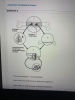 Question Completion Status: Question 2 Circulation in blood Immature - lymphocytes Immunocompetent, but still naive, lymphocyte migrates via blood * immunocompetent = active/mature Area where B cells become immunocompetent Area where T cells become immunocompetent dadisontains.most be c omastian Randall A Remaining me! 1 hour, 19 minutes, 03 seconds. *Question Completion Status: lymphocyte migrates via blood * immunocompetent = active/mature Area where B cells become immunocompetent Area where T cells become immunocompetent Area seeded (contains most) by immunocompetent B and...
Give the locations of the following lymph nodes: uinal nodes 2. axillary nodes 3. cervical nodes...
 Give the locations of the following lymph nodes: uinal nodes 2. axillary nodes 3. cervical nodes 4. mediastinal nodes
Which of the following describe Lymph Nodes? Selected Answer: occur in superficial and deep groups along...
 Which of the following describe Lymph Nodes? Selected Answer: occur in superficial and deep groups along the lymphatic vessels. occur in superficial and deep groups along the lymphatic vessels. receive lymph via afferent vessels. Answers: contain mostly T cells in their outer cortexes. contain mostly B cells in their inner cortexes Both A& B
5. a. What is the function of the following lymph nodes? a. Axillary lymph node: b....
 5. a. What is the function of the following lymph nodes? a. Axillary lymph node: b. Intestinal lymph node: c. Inguinal lymph node: b. What is lymphadenitis and what is its relevance to health professionals? 2 c.(a) What is the function of the red pulp of the spleen? (b) What is the function of the white pulp?
7. DC maturation. a. How does the role of an immature to mature DC change? b....
7. DC maturation. a. How does the role of an immature to mature DC change? b. What stimulates the change from an immature to a mature DC? c. What key molecules are up regulated during its maturation? d. What are the functions of these key molecules?
As the nurse palpates the lymph nodes of the neck, hard and fixed nodes are noted...
 As the nurse palpates the lymph nodes of the neck, hard and fixed nodes are noted in the supra-clavicular region. This finding is consistent with which condition? Malignancy Inflammation 1 Enlargement Hypothyroidism
Questions Tonsils and adenoids - Lymph nodes Lymphatic vessels Thymus Lymph nodes - 4. Please arrange...
 Questions Tonsils and adenoids - Lymph nodes Lymphatic vessels Thymus Lymph nodes - 4. Please arrange the terms in the word bank in the order in which they become important in the stepwise story of the development of immunologic memory to an inhaled virus. Briefly list the steps (see sample steps below): Word Bank (random order) • effector T cell • effector B cell • antibody • lymph node • virus naïve T cell • naïve B cell bone marrow...
 Activity Questions 1. Which lymphatic organs have afferent lymphatic vessels? 2. How do lymphocytes enter: a. lymph nodes b. MALT (e.g. tonsil)
 Question 22 1 pts How do naïve and mature lymphocytes differ? Mature lymphocytes cannot bind to antigens Naive lymphocytes can differentiate to become either B or T cells; Mature lymphocytes are cells that have made that decision and cannot switch back. O Mature lymphocytes have not encountered an antigen before Nalve lymphocytes have not encountered an antigen before Naive lymphocytes cannot bind to antigens
 12. The nurse knows that the ratio of Immature to Mature neutrophils (1/T Ratio) is important to know in order to understand how the baby is responding to a bacterial infection. The CBC information on a five-hour-old infant with respiratory distress and risk factors for infection are as follows: Total White Blood Cell Count (WBC) Segmented neutrophils (segs) Band neutrophils (bands) Metamyelocytes (metas) Lymphocytes Basophils Eosinophils 16,000 (15 X 10" 34% 16% 4% 41% 4% 1% a. What percent of...
 Question Completion Status: Question 2 Circulation in blood Immature - lymphocytes Immunocompetent, but still naive, lymphocyte migrates via blood * immunocompetent = active/mature Area where B cells become immunocompetent Area where T cells become immunocompetent dadisontains.most be c omastian Randall A Remaining me! 1 hour, 19 minutes, 03 seconds. *Question Completion Status: lymphocyte migrates via blood * immunocompetent = active/mature Area where B cells become immunocompetent Area where T cells become immunocompetent Area seeded (contains most) by immunocompetent B and...
 Give the locations of the following lymph nodes: uinal nodes 2. axillary nodes 3. cervical nodes 4. mediastinal nodes
 Which of the following describe Lymph Nodes? Selected Answer: occur in superficial and deep groups along the lymphatic vessels. occur in superficial and deep groups along the lymphatic vessels. receive lymph via afferent vessels. Answers: contain mostly T cells in their outer cortexes. contain mostly B cells in their inner cortexes Both A& B
 5. a. What is the function of the following lymph nodes? a. Axillary lymph node: b. Intestinal lymph node: c. Inguinal lymph node: b. What is lymphadenitis and what is its relevance to health professionals? 2 c.(a) What is the function of the red pulp of the spleen? (b) What is the function of the white pulp?
 As the nurse palpates the lymph nodes of the neck, hard and fixed nodes are noted in the supra-clavicular region. This finding is consistent with which condition? Malignancy Inflammation 1 Enlargement Hypothyroidism
 Questions Tonsils and adenoids - Lymph nodes Lymphatic vessels Thymus Lymph nodes - 4. Please arrange the terms in the word bank in the order in which they become important in the stepwise story of the development of immunologic memory to an inhaled virus. Briefly list the steps (see sample steps below): Word Bank (random order) • effector T cell • effector B cell • antibody • lymph node • virus naïve T cell • naïve B cell bone marrow...
Most questions answered within 3 hours.
-
Where is the error in this code sequence?
String s1 = "Hello";
String s2 = "ello";...
asked 10 months ago -
Financial data for Joel de Paris, Inc., for last year
follow:
Joel de Paris, Inc.
Balance...
asked 10 months ago -
Consider this reaction:
Al2(SO4)3 (aq)+ BaCl3
(aq) Al2Cl6 (aq)- +
3BaSO4(s) . What is the...
asked 10 months ago -
Suppose that Savneet is considering increasing her
recent random sample from 20 car rentals to 40...
asked 10 months ago -
Trucks arrive at an unloading terminal at an average rate of 120
per hour.
Trucks arrive...
asked 10 months ago -
Why are methanol and ethanol completely soluble in water while
octanol is not very little soluble....
asked 10 months ago -
A facilities manager at a university reads in a research report
that the mean amount of...
asked 10 months ago -
When the CuSO4 is rehydrated by adding water to the anhydrous
compound, is this an endothermic...
asked 10 months ago -
A ray of sunlight is passing from diamond into crown glass; the
angle of incidence is...
asked 10 months ago -
A block of mass 0.249 kg is placed on top of a light, vertical
spring of...
asked 10 months ago -
how do the kidneys compensate in the presences of acidosis
a) trigger hyperventilate
b) reserve acid...
asked 10 months ago -
Question 501 pts
The rental rate of capital to the firm increases. Which of the
following...
asked 10 months ago