In an immune responce involving B cells, like might be inteoduced with a vaccine, ___ binds...
Homework Answers
Answer:
b). Antibody; antigen
Explanation:
B cells produce antibodies that bind to antigens at the receptor site.
Add Answer to:
In
an immune responce involving B cells, like might be inteoduced with
a vaccine, ___ binds...
Immune System Class Activity Science in the Classroom: One Vaccine to Rule Them All Lymphocytes are...
 Immune System Class Activity Science in the Classroom: One Vaccine to Rule Them All Lymphocytes are white blood cells that play important roles in the immune system. Sort each item to the appropriate bin. Reset Help produce and secrete antibodies specific to one epitope on an antigen are central to the humoral immune response produce molecules that can neutralize viruses by birding to their surface can mount a rapid and intense Secondary immune response previously ordered pathogen central to the...
antibodies A specific B cell is activated when an) from a pathogen binds to one of...
 antibodies A specific B cell is activated when an) from a pathogen binds to one of the _ on its surface. Activation also requires from helper T cells. 1 antigen antigen This activated cell then begins dividing into memory B cells, which will participate in the secondary immune response, and cells that will act as protein factories in this immune response. plasma During the primary immune response, these cells secrete cytokines During the secondary immune response, the rapidly, giving rise...
Explain the difference between basic T cells and B cells as they relate to a vaccine....
 Explain the difference between basic T cells and B cells as they
relate to a vaccine. Additionally, briefly explain the interplay
between the innate and adaptive arms of the immune system and the
inflammatory mediators. Image result for vaccine
Subject: Pathophysiology
Explain the difference between basic T cells and B cells as they
relate to a vaccine. Additionally, briefly explain the interplay
between the innate and adaptive arms of the immune system and the
inflammatory mediators. Image result for vaccine
Subject: Pathophysiology
Explain the difference between basic T cells and B cells as they relate to a vaccine....
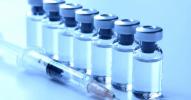 Explain the difference between basic T cells and B cells as they
relate to a vaccine. Additionally, briefly explain the interplay
between the innate and adaptive arms of the immune system and the
inflammatory mediators. Image result for vaccine
the inflammatory mediators.
Subject Pathophysiology
Explain the difference between basic T cells and B cells as they
relate to a vaccine. Additionally, briefly explain the interplay
between the innate and adaptive arms of the immune system and the
inflammatory mediators. Image result for vaccine
the inflammatory mediators.
Subject Pathophysiology
Immunology Help 1) Antibody-dependent cellular cytotoxicity is a process by which some immune cells can target...
Immunology Help 1) Antibody-dependent cellular cytotoxicity is a process by which some immune cells can target and kill pathogens as well as your own cells, in order for a cell to participate in ADCC, it must express a receptor on the surface. what receptor? 2) A type of effector B cell called a plasma cell will be generated after exposure to antigen that is recognized as non-self. What is the primary function of plasma cells? 3) what is a sign...
1. Post-exposure prophylaxis for rabies includes shots of HRIG (human rabies immune globulin) and rabies vaccine....
1. Post-exposure prophylaxis for rabies includes shots of HRIG (human rabies immune globulin) and rabies vaccine. The HRIG provides ________________ whereas the vaccine promotes the development of _______________. Multiple Choice artificial passive immunity; natural active immunity artificial passive immunity; artificial active immunity natural passive immunity; artificial passive immunity artificial active immunity; artificial passive immunity artificial active immunity; natural active immunity 2. Primary and secondary antibody response differ in all the following ways, except Multiple Choice IgG production predominates in secondary...
Antigen presenting cells link innate and adaptive immune responses. In the theoretical scenario where phagosomes cannot...
Antigen presenting cells link innate and adaptive immune responses. In the theoretical scenario where phagosomes cannot be formed, phagocytosis is made ineffective. a. Could any APCs continue processing and presentation of an antigen in this scenario? How? Explain in less than 25 words. b. Would any cytotoxic T cells activity be observed? Explain in less than 25 words. c. Could any antibody production occur? If so, what class(es) could be made? Explain in less than 25 words.
Explain the difference between basic T cells and B cells as they relate to a vaccine....
 Explain the difference between basic T cells and B cells as they
relate to a vaccine. Additionally, briefly explain the interplay
between the innate and adaptive arms of the immune system and the
inflammatory mediators.
Subject: Pathophysiology
Explain the difference between basic T cells and B cells as they
relate to a vaccine. Additionally, briefly explain the interplay
between the innate and adaptive arms of the immune system and the
inflammatory mediators.
Subject: Pathophysiology
1. Select the statements that correctly describe the role of the thymus, spleen, and lymph nodes...
1. Select the statements that correctly describe the role of the thymus, spleen, and lymph nodes in adaptive immunity. Select the TWO answers that are correct. The thymus is the site of T cell development. The thymus and lymph nodes work together in humoral immunity. The thymus and spleen produce B cells. Lymph nodes and the spleen filter pathogens from lymph and blood. The lymph nodes secrete lymphatic fluid. 2. How do humoral immunity and cell-mediated immunity differ? Select the...
1.Which cells are the link between the innate immune system and the adaptive immune system? 1....
1.Which cells are the link between the innate immune system and the adaptive immune system? 1. A. Memory cells B. Cytotoxic T-cells C. Antigen-Presenting cells D. Endothelial cells 2.Epidemiological clues to the cause of an infectious disease include statistics on: A. age, geographic location, genetics, and sex of victims B. rate and pattern of spread through a population C. time of year D. all of the above
 Immune System Class Activity Science in the Classroom: One Vaccine to Rule Them All Lymphocytes are white blood cells that play important roles in the immune system. Sort each item to the appropriate bin. Reset Help produce and secrete antibodies specific to one epitope on an antigen are central to the humoral immune response produce molecules that can neutralize viruses by birding to their surface can mount a rapid and intense Secondary immune response previously ordered pathogen central to the...
 antibodies A specific B cell is activated when an) from a pathogen binds to one of the _ on its surface. Activation also requires from helper T cells. 1 antigen antigen This activated cell then begins dividing into memory B cells, which will participate in the secondary immune response, and cells that will act as protein factories in this immune response. plasma During the primary immune response, these cells secrete cytokines During the secondary immune response, the rapidly, giving rise...
 Explain the difference between basic T cells and B cells as they
relate to a vaccine. Additionally, briefly explain the interplay
between the innate and adaptive arms of the immune system and the
inflammatory mediators. Image result for vaccine
Subject: Pathophysiology
Explain the difference between basic T cells and B cells as they
relate to a vaccine. Additionally, briefly explain the interplay
between the innate and adaptive arms of the immune system and the
inflammatory mediators. Image result for vaccine
Subject: Pathophysiology
 Explain the difference between basic T cells and B cells as they
relate to a vaccine. Additionally, briefly explain the interplay
between the innate and adaptive arms of the immune system and the
inflammatory mediators. Image result for vaccine
the inflammatory mediators.
Subject Pathophysiology
Explain the difference between basic T cells and B cells as they
relate to a vaccine. Additionally, briefly explain the interplay
between the innate and adaptive arms of the immune system and the
inflammatory mediators. Image result for vaccine
the inflammatory mediators.
Subject Pathophysiology
 Explain the difference between basic T cells and B cells as they
relate to a vaccine. Additionally, briefly explain the interplay
between the innate and adaptive arms of the immune system and the
inflammatory mediators.
Subject: Pathophysiology
Explain the difference between basic T cells and B cells as they
relate to a vaccine. Additionally, briefly explain the interplay
between the innate and adaptive arms of the immune system and the
inflammatory mediators.
Subject: Pathophysiology
Most questions answered within 3 hours.
-
Where is the error in this code sequence?
String s1 = "Hello";
String s2 = "ello";...
asked 10 months ago -
Financial data for Joel de Paris, Inc., for last year
follow:
Joel de Paris, Inc.
Balance...
asked 10 months ago -
Consider this reaction:
Al2(SO4)3 (aq)+ BaCl3
(aq) Al2Cl6 (aq)- +
3BaSO4(s) . What is the...
asked 10 months ago -
Suppose that Savneet is considering increasing her
recent random sample from 20 car rentals to 40...
asked 10 months ago -
Trucks arrive at an unloading terminal at an average rate of 120
per hour.
Trucks arrive...
asked 10 months ago -
Why are methanol and ethanol completely soluble in water while
octanol is not very little soluble....
asked 10 months ago -
A facilities manager at a university reads in a research report
that the mean amount of...
asked 10 months ago -
When the CuSO4 is rehydrated by adding water to the anhydrous
compound, is this an endothermic...
asked 10 months ago -
A ray of sunlight is passing from diamond into crown glass; the
angle of incidence is...
asked 10 months ago -
A block of mass 0.249 kg is placed on top of a light, vertical
spring of...
asked 10 months ago -
how do the kidneys compensate in the presences of acidosis
a) trigger hyperventilate
b) reserve acid...
asked 10 months ago -
Question 501 pts
The rental rate of capital to the firm increases. Which of the
following...
asked 10 months ago