write short ,but comprehensive write-up on (A) pulmonary embolism,(B) chronic obstructive pulmonary disease (COPD), (C) lung...
write short ,but comprehensive write-up on (A) pulmonary embolism,(B) chronic obstructive pulmonary disease (COPD), (C) lung atelectasis. need answers with bullet points with causes, signs and symptoms, epidemiology, diagnosis, treatment, prognosis, prevention.
Homework Answers
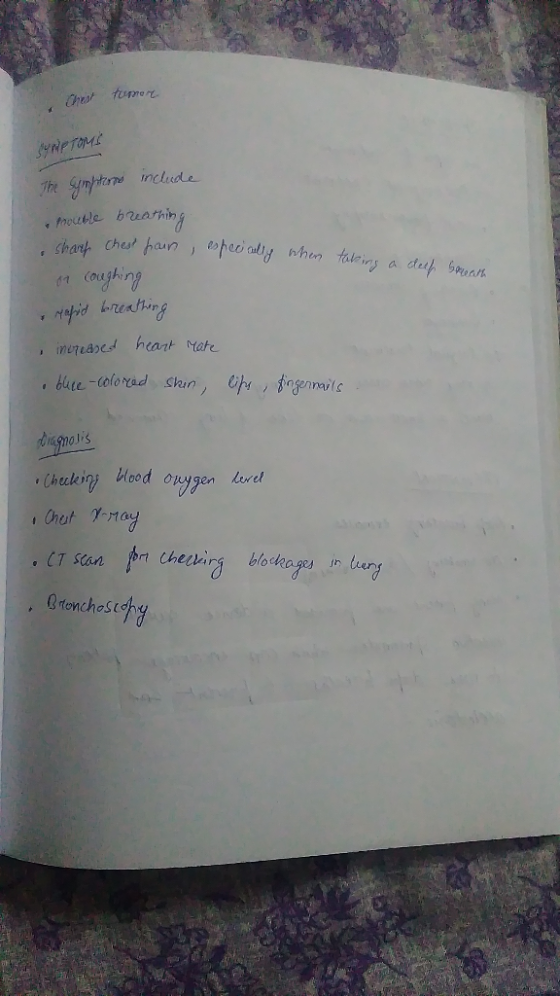
 A. PULMONARY
EMBOLISM
A. PULMONARY
EMBOLISM
* A pulmonary embolism is a blood clot that occurs in the
lungs.
* It can damage part of the lung due to restricted blood flow,
decrease oxygen levels in the blood, and affect other organs as
well.
* Large or multiple blood clots can be fatal.
CAUSES
* Pulmonary embolisms are most often caused by deep vein
thrombosis, a condition in which blood clots form in veins deep in
the body. The blood clots that most often cause pulmonary embolisms
begin in the legs or pelvis.
Blood clots in the deep veins of the body can have several different causes, including:
- Injury or damage: Injuries like bone fractures or muscle tears can cause damage to blood vessels, leading to clots.
- Inactivity: During long periods of inactivity,
gravity causes blood to stagnate in the lowest areas of your body,
which may lead to a blood clot. This could occur if you’re sitting
for a lengthy trip or if you’re lying in bed recovering from an
illness.
- Medical conditions: Some health conditions cause blood to clot too easily, which can lead to pulmonary embolism. Treatments for medical conditions, such as surgery or chemotherapy for cancer, can also cause blood clots.
SIGN AND SYMPTOMS
The most common symptom of a pulmonary embolism is shortness of
breath. This may be gradual or sudden.
Other symptoms of a pulmonary embolism include:
- clammy or bluish skin
- chest pain that may extend into your arm, jaw, neck, and shoulder
- fainting
- irregular heartbeat
- lightheadedness
- rapid breathing
- rapid heartbeat
- restlessness
- spitting up blood
- weak pulse
DIAGNOSIS
- chest X-ray: This standard, noninvasive test allows doctors to see your heart and lungs in detail, as well as any problems with the bones around your lungs.
- electrocardiography (ECG): This test measures your heart’s electrical activity.
- MRI: This scan uses radio waves and a magnetic field to produce detailed images.
- CT scan: This scan gives your doctor the ability to see cross-sectional images of your lungs. A special scan called a V/Q scan may be ordered.
- pulmonary angiography: This test involves making a small incision so your doctor can guide specialized tools through your veins. Your doctor will inject a special dye so that the blood vessels of the lung can be seen.
- duplex venous ultrasound: This test uses radio waves to visualize the flow of blood and to check for blood clots in your legs.
- venography: This is a specialized X-ray of the veins of your legs.
- D-dimer test: A type of blood
test.
TREATMENT - anticoagulants: Also called blood thinners, the drugs heparin and warfarin prevent new clots from forming in blood. They can save life in an emergency situation.
- clot dissolvers (thrombolytics): These drugs speed up the breakdown of a clot. They’re typically reserved for emergency situations because side effects may include dangerous bleeding problems.
-
Surgery may be necessary to remove problematic clots, especially those that restrict blood flow to the lungs or heart. According to the Clinical studies , some surgical procedures doctor may use in the case of a pulmonary embolism include:
- vein filter: Doctor will make a small incision, then use a thin wire to install a small filter in your inferior vena cava. The vena cava is the main vein that leads from your legs to the right side of your heart. The filter prevents blood clots from traveling from your legs to your lungs.
- clot removal: A thin tube called a catheter will suction large clots out of your artery. It isn’t an entirely effective method because of the difficulty involved, so it’s not always a preferred method of treatment.
- open surgery: Doctors use open surgery only in emergency
situations when a person is in shock or medications aren’t working
to break up the clot.
PREVENTION - Exercise regularly.
- Drink plenty of fluids, like water and juice, but avoid excess alcohol and caffeine.
- If you need to be stationary for long periods of time, move around for a few minutes each hour: move your feet and legs, bend your knees, and stand on tip-toe.
- Do not smoke.
- Avoid crossing legs.
- Avoid wearing tight-fitting clothing.
- Elevate ones feet for 30 minutes twice a day.
CHRONIC OBSTRUCTIVE - Chronic obstructive pulmonary disease (COPD) is a chronic inflammatory lung disease that causes obstructed airflow from the lungs.
- The most common are emphysema and chronic
bronchitis.
- Emphysema slowly destroys air sacs in the lungs, which interferes with outward air flow.
- Bronchitis causes inflammation and narrowing of the bronchial
tubes, which allows mucus to build up
CAUSES - The top cause of COPD is tobacco smoking.
- Long-term exposure to chemical irritants can also lead to
COPD.
SIGNS AND SYMPTOMS -
COPD makes it harder to breathe.
-
Symptoms may be mild at first, beginning with intermittent coughing and shortness of breath. As it progresses, symptoms can become more constant to where it can become increasingly difficult to breathe.
-
Patient may experience wheezing and tightness in the chest or have excess sputum production. Some people with COPD have acute exacerbations, which are flare-ups of severe symptoms.
At first, symptoms of COPD can be quite mild. You might mistake them for a cold.
Early symptoms include:
- occasional shortness of breath, especially after exercise
- mild but recurrent cough
- needing to clear your throat often, especially first thing in
the morning
Symptoms can get progressively worse and harder to ignore. As the lungs become more damaged, patient may experience:
- shortness of breath, after even mild exercise such as walking up a flight of stairs
- wheezing, which is a type of higher pitched noisy breathing, especially during exhalations
- chest tightness
- chronic cough, with or without mucus
- need to clear mucus from your lungs every day
- frequent colds, flu, or other respiratory infections
- lack of energy
Later stages of COPD, symptoms may also include:
- fatigue
- swelling of the feet, ankles, or legs
- weight loss
DIAGNOSISThere’s no single test for COPD. Diagnosis is based on symptoms, a physical exam, and diagnostic test results.
TREATMENT
Unfortunately this disease is not curable .Treatment can only ease symptoms
PREVENTION
Strictly not to smoke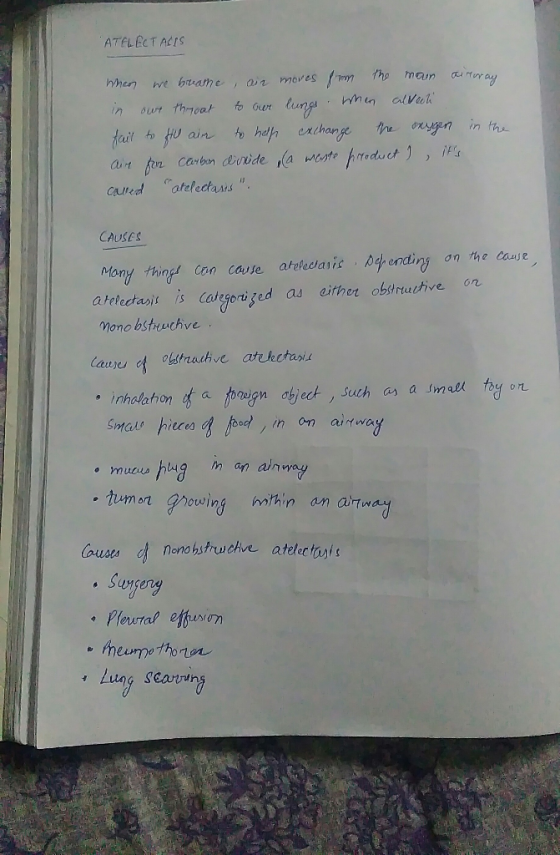
Avoid living in cities with air pollution
Add Answer to:
write short ,but comprehensive write-up on (A)
pulmonary embolism,(B) chronic obstructive pulmonary disease
(COPD), (C) lung...
Which of the following accurately describes the pathophysiology of chronic obstructive pulmonary disease (COPD)? Obstruction of...
Which of the following accurately describes the pathophysiology of chronic obstructive pulmonary disease (COPD)? Obstruction of the trachea and larynx. Obstructed airflow in the bronchi during inspiration Excess fluid compresses the lung limiting expansion. Inflammation leads to lung fibrosis and a loss of elasticity.
2. A client with a diagnosis of chronic obstructive pulmonary disease (COPD) is being discharged from...
2. A client with a diagnosis of chronic obstructive pulmonary disease (COPD) is being discharged from the hospital. Describe appropriate patient teaching before discharge? 3. Describe the similarities and differences for clients with COPD (emphysema vs bronchitis?)
Chronic obstructive pulmonary disease (COPD) is a lung disease that makes it difficult for people to...
Chronic obstructive pulmonary disease (COPD) is a lung disease that makes it difficult for people to breathe, since small airways in their lungs become blocked. This can make patients gasp for breath or breathe at a higher than usual rate to try to get oxygen. A common treatment for this problem is to have patients breathe oxygen through breathing tubes. We have a sample of COPD patients who naturally breathe at the same rate. Each patient walks on a treadmill...
A gentleman with chronic obstructive pulmonary disease (COPD) was found to have right lower lobe pneumonia with severe e...
A gentleman with chronic obstructive pulmonary disease (COPD) was found to have right lower lobe pneumonia with severe exacerbation of COPD. Final diagnoses: (1) Right Lower Lobe Pneumonia, (2) end-stage COPD with exacerbation, (3) oxygen dependence. Assign the appropriate diagnosis codes. ICD-10-CM
B. Your second patient is 64 years old with chronic obstructive pulmonary disease (COPD). He caught...
 B. Your second patient is 64 years old with chronic obstructive pulmonary disease (COPD). He caught a cold a week ago and presents to the clinic with green sputum and hcreased shortness of breath. He had a fever at the beginning of the cold. but does not have a fever today. Current medications are Symbicort (budesonide/formoterol) and lisinopril. On examination, he is afebrile, with respiratory rate 18, heart rate 104, blood pressure 135/70 mm Hg, and SaO2 93 %. Lung...
B. Your second patient is 64 years old with chronic obstructive pulmonary disease (COPD). He caught...
 B. Your second patient is 64 years old with chronic obstructive pulmonary disease (COPD). He caught a cold a week ago and presents to the clinic with areen sputum and increased shortness of breath. He had a fever at the beginning of the cold. but does not have a fever today. Current medications are Symbicort (budesonide/formoterol) and lisinopril. On examination, he is afebrile, with respiratory rate 18, heart rate 104, blood pressure 135/70 mm Hg, and SaO2 93 %. Lung...
Nutrition Case Study - Chronic Obstructive Pulmonary Disease Mrs. Hernandez is a 72-year-old, underweight, African-American patient...
 Nutrition
Case Study - Chronic Obstructive Pulmonary Disease Mrs. Hernandez is a 72-year-old, underweight, African-American patient with a history of hypertension, depression, and chronic obstructive pulmonary disease (COPD). She was recently seen by her primary health care provider for signs of illness: fever, loss of appetite, fatigue, chills, and dyspnea. She was diagnosed with bronchitis and started on a bronchodilator and corticosteroid nebulizer treatments as well as an oral antibiotic. However, she continued to feel ill without improvement, and became...
Nutrition
Case Study - Chronic Obstructive Pulmonary Disease Mrs. Hernandez is a 72-year-old, underweight, African-American patient with a history of hypertension, depression, and chronic obstructive pulmonary disease (COPD). She was recently seen by her primary health care provider for signs of illness: fever, loss of appetite, fatigue, chills, and dyspnea. She was diagnosed with bronchitis and started on a bronchodilator and corticosteroid nebulizer treatments as well as an oral antibiotic. However, she continued to feel ill without improvement, and became...
A 50-year-old man was admitted to the hospital with the diagnosis of chronic obstructive lung disease....
A 50-year-old man was admitted to the hospital with the diagnosis of chronic obstructive lung disease. On review of the chart, the nurse noted the patient is both hypoxic and has an elevated carbon dioxide level. When examining the patient, the nurse notes an increased respiratory effort and use of accessory muscles. 1. What is compliance, resistance, and residual volume as it relates to COPD. 2. In patients with chronic obstructive disease, there is a decreased surface area for diffusion....
Case Study-Chronic Obstructive Pulmonary Disease Mrs. Hemandez is a 72-year-old, underweight, African-American pati...
 Case Study-Chronic Obstructive Pulmonary Disease Mrs. Hemandez is a 72-year-old, underweight, African-American patient with a history of hypertension, depression, and chronic obstructive pulmonary disease (COPD). She was recently seen by her primary health care provider for signs of illness: fever, loss of appetite, fatigue, chills, and dyspnea. She was diagnosed with bronchitis and started on a bronchodilator and corticosteroid nebulizer treatments as well as an oral antibiotic. However, she continued to feel ill without improvement, and became very confused with...
A 60-year-old male with chronic obstructive pulmonary disease undergoes a lung transplant. Immunohistochemical staining of his...
 A 60-year-old male with chronic obstructive pulmonary disease undergoes a lung transplant. Immunohistochemical staining of his lung specimen reveals reduced expression of secretory component in the epithelial cells of his small airways. These findings indicate a likely impairment in which process in the lung of this patient before surgery? A. Leukocyte homing in response to infection B. Secretion of mucus C. Assembly of the membrane attack complex D. Formation of multimeric immunoglobulin molecules E. IgA passage through the mucosal epithelium
 B. Your second patient is 64 years old with chronic obstructive pulmonary disease (COPD). He caught a cold a week ago and presents to the clinic with green sputum and hcreased shortness of breath. He had a fever at the beginning of the cold. but does not have a fever today. Current medications are Symbicort (budesonide/formoterol) and lisinopril. On examination, he is afebrile, with respiratory rate 18, heart rate 104, blood pressure 135/70 mm Hg, and SaO2 93 %. Lung...
 B. Your second patient is 64 years old with chronic obstructive pulmonary disease (COPD). He caught a cold a week ago and presents to the clinic with areen sputum and increased shortness of breath. He had a fever at the beginning of the cold. but does not have a fever today. Current medications are Symbicort (budesonide/formoterol) and lisinopril. On examination, he is afebrile, with respiratory rate 18, heart rate 104, blood pressure 135/70 mm Hg, and SaO2 93 %. Lung...
 Nutrition
Case Study - Chronic Obstructive Pulmonary Disease Mrs. Hernandez is a 72-year-old, underweight, African-American patient with a history of hypertension, depression, and chronic obstructive pulmonary disease (COPD). She was recently seen by her primary health care provider for signs of illness: fever, loss of appetite, fatigue, chills, and dyspnea. She was diagnosed with bronchitis and started on a bronchodilator and corticosteroid nebulizer treatments as well as an oral antibiotic. However, she continued to feel ill without improvement, and became...
Nutrition
Case Study - Chronic Obstructive Pulmonary Disease Mrs. Hernandez is a 72-year-old, underweight, African-American patient with a history of hypertension, depression, and chronic obstructive pulmonary disease (COPD). She was recently seen by her primary health care provider for signs of illness: fever, loss of appetite, fatigue, chills, and dyspnea. She was diagnosed with bronchitis and started on a bronchodilator and corticosteroid nebulizer treatments as well as an oral antibiotic. However, she continued to feel ill without improvement, and became...
 Case Study-Chronic Obstructive Pulmonary Disease Mrs. Hemandez is a 72-year-old, underweight, African-American patient with a history of hypertension, depression, and chronic obstructive pulmonary disease (COPD). She was recently seen by her primary health care provider for signs of illness: fever, loss of appetite, fatigue, chills, and dyspnea. She was diagnosed with bronchitis and started on a bronchodilator and corticosteroid nebulizer treatments as well as an oral antibiotic. However, she continued to feel ill without improvement, and became very confused with...
 A 60-year-old male with chronic obstructive pulmonary disease undergoes a lung transplant. Immunohistochemical staining of his lung specimen reveals reduced expression of secretory component in the epithelial cells of his small airways. These findings indicate a likely impairment in which process in the lung of this patient before surgery? A. Leukocyte homing in response to infection B. Secretion of mucus C. Assembly of the membrane attack complex D. Formation of multimeric immunoglobulin molecules E. IgA passage through the mucosal epithelium
Most questions answered within 3 hours.
-
Where is the error in this code sequence?
String s1 = "Hello";
String s2 = "ello";...
asked 10 months ago -
Financial data for Joel de Paris, Inc., for last year
follow:
Joel de Paris, Inc.
Balance...
asked 10 months ago -
Consider this reaction:
Al2(SO4)3 (aq)+ BaCl3
(aq) Al2Cl6 (aq)- +
3BaSO4(s) . What is the...
asked 10 months ago -
Suppose that Savneet is considering increasing her
recent random sample from 20 car rentals to 40...
asked 10 months ago -
Trucks arrive at an unloading terminal at an average rate of 120
per hour.
Trucks arrive...
asked 10 months ago -
Why are methanol and ethanol completely soluble in water while
octanol is not very little soluble....
asked 10 months ago -
A facilities manager at a university reads in a research report
that the mean amount of...
asked 10 months ago -
When the CuSO4 is rehydrated by adding water to the anhydrous
compound, is this an endothermic...
asked 10 months ago -
A ray of sunlight is passing from diamond into crown glass; the
angle of incidence is...
asked 10 months ago -
A block of mass 0.249 kg is placed on top of a light, vertical
spring of...
asked 10 months ago -
how do the kidneys compensate in the presences of acidosis
a) trigger hyperventilate
b) reserve acid...
asked 10 months ago -
Question 501 pts
The rental rate of capital to the firm increases. Which of the
following...
asked 10 months ago