Explain plant reproduction including sexual and asexual. Be sure to include flowers, fruit, different types of...
Explain plant reproduction including sexual and asexual. Be sure to include flowers, fruit, different types of propagation and seed dispersal.
Homework Answers
Reproduction is a process by which an organism is able to propagate itself and give rise to progenies.
Plants are green photosynthetic organisms which are capable of showing both sexual and asexual reproduction.
Sexual reproduction is characterized by the formation and fusion of gametes from two different parents where as asexual reproduction do not show formation and fusion of gametes.
Two parents are involved in sexual reproduction where only one parent is involved in asexual reproduction.
Genetic recombination takes place in sexual reproduction whereas no such phenomena is observed in asexual reproduction.
Progenies are different from the parent and also from one another in sexual reproduction whereas progenies are identical in asexual reproduction.
Sexual reproduction gives rise to few progenies at one time whereas a large number of progenies can be obtained in asexual reproduction.
Sexual reproduction is carried out under favourable conditions where as asexual reproduction is more a means of perennation during unfavourable condition.
These were the general characteristics of both sexual and asexual reproduction. Now we will look at both the processes in detail.
Sexual reproduction in flowering plants
A plant includes leaves, stem and roots as its vegetative body whereas the flower is a reproductive structure.
A flower is made up of four whorls, androecium and gynoecium are the reproductive whorls whereas sepals and petals are the accessory whorls.
Sepals and petals are not involved in production but help to attract pollinator and protect the reproductive parts of the flower.
Androecium is the male reproductive part and consists of anther and filament. Anther contains pollen grain which inside female gametophyte give rise to two sperm cells.
Gynoecium is the female reproductive part and consists of stigma, style and ovary. Stigma is the surface where pollen grains plants and ovary contains the ovules. Style is the structure which connects stigma to ovary.
Sperm and ovum fuse to form a diploid zygote. This process is called as syngamy. Zygote is a single cell structure. It undergoes mitosis to form embryo and then an adult plant body.
The two polar nuclei present in the female gametophyte fuse with other sperm cell to form a triploid endosperm. It is a nutritive tissue for the developing embryo.
After the fertilization, ovary forms the fruit and ovule forms the seed. Seed is a structure which is covered by a tough protective layer and inside it embryo is present. Seeds have the ability to disperse far off places by biotic and abiotic pollinator and give rise to new plants there. The most important significance of seed is that it ensures continuation of generation. Seed have the ability to tolerate unfavourable conditions even for thousands of years and then also remain viable. On the return of favourable conditions, they germinate to give rise to a new plant body.
Asexual reproduction in flowering plants
Asexual reproduction in lower plants like bryophytes and pteridophytes occurs by the formation of spores.
In flowering plants, It is seen by the the presence of different structures like corm, tubers, stolon, rhizome, etc.
Corm is seen in Crocus, tubers in potato and sweet potato, rhizome in ginger and turmeric.
The most important mode of asexual reproduction is apomixis. Apomixis refers to the development of progenies without formation and fusion of gametes. In this type of reproduction, the female parent is capable of giving rise to the zygote directly. This is also called as parthenogenesis.
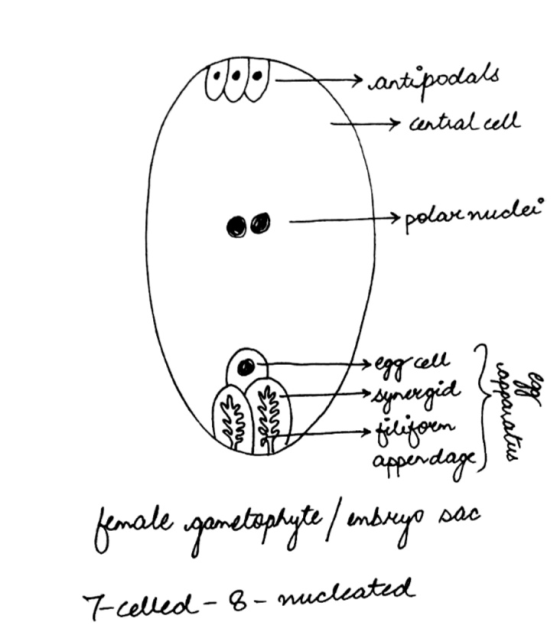
Zygote can be formed directly from the female gametophyte from the cells other than the egg cell. The female gametophyte consists of synergids, Polar nuclei and antipodals. Any one of these cells are capable of giving rise to zygote without fertilization.
See the structure of female gametophyte or embryo sac below -
Please rate.
Add Answer to:
Explain plant reproduction including sexual and asexual. Be sure
to include flowers, fruit, different types of...
Plants can reproduce both sexually and asexually. a. Explain the difference between sexual and asexual reproduction...
Plants can reproduce both sexually and asexually. a. Explain the difference between sexual and asexual reproduction in plants (not in other organisms). b. Explain the different ways in which a plant can reproduce asexually. c. Include examples of the different types of asexual reproduction. ( I expect you to have more than one example as your textbook devotes an entire section to this topic.)
Name Date Review Questions 1 Explain the difference between asexual reproduction and sexual reproduction. Which method...
 Name Date Review Questions 1 Explain the difference between asexual reproduction and sexual reproduction. Which method provides for the genetic diversity in the ofspring? Explain why this is so 2 Compare the basic steps of meiosis in oogenesis and spermatogenesis. Which method produces the greatest number of gametes? Explain why this is so. 3 Dutline the basic glands and tubes involved in male reproduction. In the space below, draw a diagram that hows the formation of sperm and its passage...
please answers these 6 questions with readable handwriting and in a good explanations 1. Describe the broad evolution of plants in the plant kingdom (in terms of phylogeny, reproduction, alternati...
 please answers these 6 questions with readable
handwriting and in a good explanations
1. Describe the broad evolution of plants in the plant kingdom (in terms of phylogeny, reproduction, alternation of generations, leaf modifications, and vascularity) 2. Compare and contrast microsporogenesis and microgametogenesis in Pinus and angiosperms). You must use, but are not limited to, the following terms: anther, microsporangia, generative cell, microsporocytes, megasporocyte microspores, pollen sacs, pollen grain, sperm, tube cell, 3. Compare and contrast megasporogenesis and megagametogenesis in...
please answers these 6 questions with readable
handwriting and in a good explanations
1. Describe the broad evolution of plants in the plant kingdom (in terms of phylogeny, reproduction, alternation of generations, leaf modifications, and vascularity) 2. Compare and contrast microsporogenesis and microgametogenesis in Pinus and angiosperms). You must use, but are not limited to, the following terms: anther, microsporangia, generative cell, microsporocytes, megasporocyte microspores, pollen sacs, pollen grain, sperm, tube cell, 3. Compare and contrast megasporogenesis and megagametogenesis in...
can I get a summary of these concepts? you will receive a good review. thank you. ey Concepts for animal reproduction: u are not responsible for section 47.4 Sexual vs. asexual reproduction; costs...
 can I get a summary of these concepts? you will
receive a good review. thank you.
ey Concepts for animal reproduction: u are not responsible for section 47.4 Sexual vs. asexual reproduction; costs & benefits of each Biological definition of sex, differences in gametes What are 3 ways sex can be determined in animals? How does biology define an animal as a hermaphrodite? Why is a penis (or lack of) not a foolproof way of identifying sex? What is sperm...
can I get a summary of these concepts? you will
receive a good review. thank you.
ey Concepts for animal reproduction: u are not responsible for section 47.4 Sexual vs. asexual reproduction; costs & benefits of each Biological definition of sex, differences in gametes What are 3 ways sex can be determined in animals? How does biology define an animal as a hermaphrodite? Why is a penis (or lack of) not a foolproof way of identifying sex? What is sperm...
Describe the procedures described throughout this laborotory activity: 10.1 Flowers external: 10 Seed Plants II: Angiosperms...
 Describe the procedures described throughout this laborotory
activity:
10.1 Flowers external:
10 Seed Plants II: Angiosperms After completing this exercise, you will be able to 1. define heterosporous, angiosperm, fruit, pollination, double fertiliation, endosperm, aeed, germina tion, annual, biennial, perennial 2. describe the significanceo 3. identify the structures of the flower: 4. recognize the structures and events (those in boldface) that take place in angiosperm reproduction; 5. describe the origin and function of fruit and seed; 6. identify the characteristics...
Describe the procedures described throughout this laborotory
activity:
10.1 Flowers external:
10 Seed Plants II: Angiosperms After completing this exercise, you will be able to 1. define heterosporous, angiosperm, fruit, pollination, double fertiliation, endosperm, aeed, germina tion, annual, biennial, perennial 2. describe the significanceo 3. identify the structures of the flower: 4. recognize the structures and events (those in boldface) that take place in angiosperm reproduction; 5. describe the origin and function of fruit and seed; 6. identify the characteristics...
7. Describe one example of how fruit color affects foraging behavior in animals 8. There are...
 7. Describe one example of how fruit color affects foraging behavior in animals 8. There are three mechanisms to avoid self fertilization (temporal, spatial, and self-incompatibility). Describe one example of each of the three mechanisms. 9. Describe how flowers attract different types of pollinators (e.g. bees, flies, moths bats, birds, etc). Choose at least three different pollinators. 10. Explain why a flash of light during the night would prevent flowering in a short- day plant, but wouldn't prevent flowering in...
Q1:Explain how the same hormone can different effects on different cell types or cellular environments. Q2:3....
Q1:Explain how the same hormone can different effects on different cell types or cellular environments. Q2:3. What are the major differences between how human eggs and sperm develop? Explain how errors in the specialized meiosis during ovulation can result in non identical twins. Q3:Though there are clear evolutionary benefits to sexual reproduction, the purpose of sex is much less clear. Why is sex and sexual pleasure evolutionarily enigmatic? What are the biological costs of having sex?
Discuss the different types of vaccines. Be sure to include the advantages and disadvantages of each...
Discuss the different types of vaccines. Be sure to include the advantages and disadvantages of each type. o Attenuated o Heat Killed o Subunit o Toxoid o DNA
In your own works, please explain the primary types of business entities. Be sure to include...
In your own works, please explain the primary types of business entities. Be sure to include the principal characteristics and ownership characteristics of each business entity. What are the pro and cons of each type of entity? Why do different types of business entities allow for unique ownership structures? Do you believe ownership structure an important factor for business owners when selecting a business entity?
7. Draw a sexual life cycle. Explain how a typical plant life cycle is different from...
 7. Draw a sexual life cycle. Explain how a typical plant life cycle is different from an animal life cycle. [4 marks) 8. Explain what happens when a molecule becomes phosphorylated. Give two examples of this process that we have discussed in class. [2 marks] 9. If a cell has 2 picograms of DNA at G1, then how much DNA will each of the daughter cells contain in metaphase Il of meiosis? Explain how you arrived at your answer. [2...
 Name Date Review Questions 1 Explain the difference between asexual reproduction and sexual reproduction. Which method provides for the genetic diversity in the ofspring? Explain why this is so 2 Compare the basic steps of meiosis in oogenesis and spermatogenesis. Which method produces the greatest number of gametes? Explain why this is so. 3 Dutline the basic glands and tubes involved in male reproduction. In the space below, draw a diagram that hows the formation of sperm and its passage...
 please answers these 6 questions with readable
handwriting and in a good explanations
1. Describe the broad evolution of plants in the plant kingdom (in terms of phylogeny, reproduction, alternation of generations, leaf modifications, and vascularity) 2. Compare and contrast microsporogenesis and microgametogenesis in Pinus and angiosperms). You must use, but are not limited to, the following terms: anther, microsporangia, generative cell, microsporocytes, megasporocyte microspores, pollen sacs, pollen grain, sperm, tube cell, 3. Compare and contrast megasporogenesis and megagametogenesis in...
please answers these 6 questions with readable
handwriting and in a good explanations
1. Describe the broad evolution of plants in the plant kingdom (in terms of phylogeny, reproduction, alternation of generations, leaf modifications, and vascularity) 2. Compare and contrast microsporogenesis and microgametogenesis in Pinus and angiosperms). You must use, but are not limited to, the following terms: anther, microsporangia, generative cell, microsporocytes, megasporocyte microspores, pollen sacs, pollen grain, sperm, tube cell, 3. Compare and contrast megasporogenesis and megagametogenesis in...
 can I get a summary of these concepts? you will
receive a good review. thank you.
ey Concepts for animal reproduction: u are not responsible for section 47.4 Sexual vs. asexual reproduction; costs & benefits of each Biological definition of sex, differences in gametes What are 3 ways sex can be determined in animals? How does biology define an animal as a hermaphrodite? Why is a penis (or lack of) not a foolproof way of identifying sex? What is sperm...
can I get a summary of these concepts? you will
receive a good review. thank you.
ey Concepts for animal reproduction: u are not responsible for section 47.4 Sexual vs. asexual reproduction; costs & benefits of each Biological definition of sex, differences in gametes What are 3 ways sex can be determined in animals? How does biology define an animal as a hermaphrodite? Why is a penis (or lack of) not a foolproof way of identifying sex? What is sperm...
 Describe the procedures described throughout this laborotory
activity:
10.1 Flowers external:
10 Seed Plants II: Angiosperms After completing this exercise, you will be able to 1. define heterosporous, angiosperm, fruit, pollination, double fertiliation, endosperm, aeed, germina tion, annual, biennial, perennial 2. describe the significanceo 3. identify the structures of the flower: 4. recognize the structures and events (those in boldface) that take place in angiosperm reproduction; 5. describe the origin and function of fruit and seed; 6. identify the characteristics...
Describe the procedures described throughout this laborotory
activity:
10.1 Flowers external:
10 Seed Plants II: Angiosperms After completing this exercise, you will be able to 1. define heterosporous, angiosperm, fruit, pollination, double fertiliation, endosperm, aeed, germina tion, annual, biennial, perennial 2. describe the significanceo 3. identify the structures of the flower: 4. recognize the structures and events (those in boldface) that take place in angiosperm reproduction; 5. describe the origin and function of fruit and seed; 6. identify the characteristics...
 7. Describe one example of how fruit color affects foraging behavior in animals 8. There are three mechanisms to avoid self fertilization (temporal, spatial, and self-incompatibility). Describe one example of each of the three mechanisms. 9. Describe how flowers attract different types of pollinators (e.g. bees, flies, moths bats, birds, etc). Choose at least three different pollinators. 10. Explain why a flash of light during the night would prevent flowering in a short- day plant, but wouldn't prevent flowering in...
 7. Draw a sexual life cycle. Explain how a typical plant life cycle is different from an animal life cycle. [4 marks) 8. Explain what happens when a molecule becomes phosphorylated. Give two examples of this process that we have discussed in class. [2 marks] 9. If a cell has 2 picograms of DNA at G1, then how much DNA will each of the daughter cells contain in metaphase Il of meiosis? Explain how you arrived at your answer. [2...
Most questions answered within 3 hours.
-
Where is the error in this code sequence?
String s1 = "Hello";
String s2 = "ello";...
asked 10 months ago -
Financial data for Joel de Paris, Inc., for last year
follow:
Joel de Paris, Inc.
Balance...
asked 10 months ago -
Consider this reaction:
Al2(SO4)3 (aq)+ BaCl3
(aq) Al2Cl6 (aq)- +
3BaSO4(s) . What is the...
asked 10 months ago -
Suppose that Savneet is considering increasing her
recent random sample from 20 car rentals to 40...
asked 10 months ago -
Trucks arrive at an unloading terminal at an average rate of 120
per hour.
Trucks arrive...
asked 10 months ago -
Why are methanol and ethanol completely soluble in water while
octanol is not very little soluble....
asked 10 months ago -
A facilities manager at a university reads in a research report
that the mean amount of...
asked 10 months ago -
When the CuSO4 is rehydrated by adding water to the anhydrous
compound, is this an endothermic...
asked 10 months ago -
A ray of sunlight is passing from diamond into crown glass; the
angle of incidence is...
asked 10 months ago -
A block of mass 0.249 kg is placed on top of a light, vertical
spring of...
asked 10 months ago -
how do the kidneys compensate in the presences of acidosis
a) trigger hyperventilate
b) reserve acid...
asked 10 months ago -
Question 501 pts
The rental rate of capital to the firm increases. Which of the
following...
asked 10 months ago