Where in the bacterium is resistance genetically coded? Which genetic elements hold what types of resistance...
Where in the bacterium is resistance genetically coded? Which genetic elements hold what types of resistance genes?
How are new antibiotics discovered (three ways)?
(could this be written in paragraph form and written as simply as possible please?)
Homework Answers
Resistance transfer factor (shortened as R-factor or RTF) is an old name for a plasmidthat codes for antibiotic resistance. R-factor was first demonstrated in Shigella in 1959 by Japanese scientists.Often, R-factors code for more than one antibiotic resistance factor: genes that encode resistance to unrelated antibiotics may be carried on a single R-factor, sometimes up to 8 different resistances. Many R-factors can pass from one bacteriumto another through bacterial conjugation and are a common means by which antibiotic resistance spreads between bacterial species, genera and even families. For example, RP1, a plasmid that encodes resistance to ampicillin, tetracycline and kanamycinoriginated in a species of Pseudomonas, from the family Pseudomonadaceae, but can also be maintained in bacteria belonging to the family Enterobacteriaceae, such as Escherichia coli.
The discovery of antibiotics revolutionized medicine in the 20th century. In 1900, infectious disease was a leading cause of death; in 2000, infectious diseases were responsible for only a small percentage of deaths in developed nations . Antibiotic consumption continues to rise among the low- and middle-income countries in recent years . Unfortunately, bacteria evolve rapidly, and resistance mechanisms have developed and spread for every antibiotic in clinical use soon after its introduction. Some fear a return to the pre-antibiotic era because of the increasing prevalence of multi-drug resistant superbugs, the decreasing number of novel antibiotics to enter the market, and the departure of several pharmaceutical companies from the field of antibiotic research due to scientific, economic, and regulatory challenges. There is an urgent need for solutions that can drive rapid discoveries of novel antibiotics, especially those against multidrug-resistant tuberculosis and Gram-negative bacteria and community-acquired infections such as Salmonella spp, Campylobacter spp, N gonorrhoeae, and H pylori, as prioritized by World Health Organization . Here, I review past and current methods for the discovery and development of antibiotics and overcoming bacterial resistance.
S.A. Waksman defined an antibiotic as “a chemical substance, produced by micro-organisms, which can inhibit the growth of and even to destroy bacteria and other micro-organisms”. Today, the term antibiotic is used more broadly to include any anti-microbial compound, whether of natural or synthetic origin . Antibiotics inhibit bacterial growth by targeting essential cellular processes such as the synthesis of the bacterial cell wall, DNA/RNA, and proteins (Figure 1). Natural product antibiotics are secondary metabolites produced by microbes at the end of the exponential phase of growth. Secondary metabolites are not essential for the growth of the organism . Instead, they have diverse roles, such as in cellular differentiation, nutrient sequestration, metal transport, ecological interactions, and defense. They are usually strain-specific and are large molecules that have complex biosynthetic pathways . Up until recently, it was assumed that microorganisms produced antibiotics as chemical warfare among species within an environmental niche. However, new studies have shown that sub-inhibitory concentrations of antibiotics can have broad transcriptional effects and suggest evolutionary roles other than mediating competitive interactions .
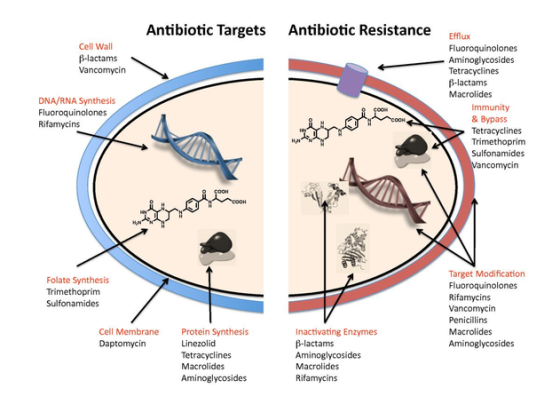
Figure 1. Antibiotic targets and mechanisms of resistance. From
The Early Antibiotics
In 1909, Paul Ehrlich discovered the very first antibiotics, synthetic arsenic-based drugs (Salvarsan), in a large screen of hundreds of organoarsenic compounds for use in the treatment of syphilis . The next antibacterials to be clinically used were the synthetic sulfonamides or the sulfa drugs. Gerard Domagk discovered Prontosil, a red dye, while experimenting with azo dyes against bacterial infections in mice in 1935 . The sulfonamide group was identified as the critical component in Prontosil, and this led to the synthesis of more than 5000 sulfa drugs between 1935 and 1945 . Sulfa drugs are broad-spectrum and were used against many bacterial infections such as pneumonia, gonorrhea and streptococcal infections. They act by inhibiting the dihydropteroate synthase (DHPS) enzyme in folate biosynthesis. Sulfa drugs dropped in their use because of bacterial resistance, which arises by mutations in the DHPS enzyme , and the discovery of penicillin and other natural product antibiotics. Nowadays they are given in combination with trimethoprim, which inhibits a later step in folate synthesis.
Alexander Fleming discovered penicillin, the first natural product antibiotic, in 1928. He observed that Penicillium molds produced a diffusible extract that had antibacterial activity against staphylococci . Although Fleming performed several experiments in vitro, he did not test the extract against animal models, and penicillin was only used as a local antiseptic for many years . Penicillin was also very difficult to isolate and purify, until the late 1930s. In 1939, Florey and Chain elucidated the structure of penicillin, and in 1940 they showed that penicillin was active against streptococcal infection in mice . Following this discovery, penicillin started to be used systemically as an antibiotic, which then ushered in the golden age of antibiotics. In 1945, Fleming, Chain, and Florey were awarded the Nobel Prize in Physiology or Medicine for their discovery of penicillin.
The Golden Age of Antibiotics
Selman Waksman received the Nobel prize in 1952 for his “discovery of streptomycin, the first antibiotic effective against tuberculosis.” Waksman began systematically screening soil microorganisms for antibiotic production, and quickly discovered that soil actinomycetes are prodigious producers . The screening method, often called the Waksman platform, involved preparing culture extracts from soil actinomycetes and overlaying filter paper discs infused with these extracts over a test organism on an agar plate, and then looking for zones of growth inhibition . There were efforts to systematically collect many soil samples and isolate as many novel actinomycetes as possible. The Waksman platform was adopted by several pharmaceutical companies and was very successful for two decades, resulting in the discovery of many of the classes of antibiotics currently in clinical use today. However, with the discovery of each novel antibiotic, the probability of finding the next novel compound became lower and lower. The platform collapsed because of the rediscovery of the same compounds .
From the 1960s, many pharmaceutical companies started to employ rational screens for the discovery of cell wall inhibitors . A spheroplasting method was used as a primary screen at Merck for many years and led to the discoveries of fosfomycin (a broad-spectrum phosphonate antibiotic), cephamycin C, thienamycin and other carbapenems. At Fujisawa, a Japanese company, an E. coli mutant that was hypersensitive to beta-lactams was used to screen for the first monobactam compound NocardiciFrom the 1960s, many pharmaceutical companies started to employ rational screens for the discovery of cell wall inhibitors . A spheroplasting method was used as a primary screen at Merck for many years and led to the discoveries of fosfomycin (a broad-spectrum phosphonate antibiotic), cephamycin C, thienamycin and other carbapenems. At Fujisawa, a Japanese company, an E. coli mutant that was hypersensitive to beta-lactams was used to screen for the first monobactam compound Nocardicin E. An L-form assay, which employed L-forms of bacteria that lack cell walls, were used at Lepetit to identify the glycopeptide antibiotics teicoplanin and ramoplanin .n E. An L-form assay, which employed L-forms of bacteria that lack cell walls, were used at Lepetit to identify the glycopeptide antibiotics teicoplanin and ramoplanin .
Antibiotic Resistance
The Center for Disease Control, USA, estimated in 2013 that antibiotic-resistant microbes cause 2 million infections and at least 23000 deaths per year . Pathogenic strains may be multidrug resistant (resistant to three or more antibiotic categories), extensively-drug resistant (resistant to all except one or two antibiotic categories), and even pan-drug resistant (resistant to all known antibiotics) . Antibiotic resistance mechanisms existed long before the use of antibiotics . However, the widespread use of antibiotics has provided a selective pressure to maintain antibiotic resistance, and for the transfer of resistance genes either vertically from mother to daughter cell or horizontally through lateral gene transfer. Bacteria quickly gain advantageous mutations because their rapid growth allows even rare mutations to get selected. Thus, antibiotics are never effective long-term .
Resistance to antibiotics may be innate or acquired . Innate resistance is provided by characteristics that are inherent in the physiology or structure of the bacteria . For instance, Gram-negative bacteria are intrinsically resistant to drugs like daptomycin because of differences in cell membrane composition, or to glycopeptides such as vancomycin that cannot cross the Gram-negative outer membrane. The other common mechanism of innate resistance, also prevalent among Gram-negative bacteria, is through efflux pumps that pump out the antibiotic .
Bacteria acquire resistance by 1) reducing intracellular concentration of the antibiotic, 2) modifying antibiotic targets, and 3) inactivating the antibiotic (Figure 1). The intracellular antibiotic concentration may be reduced by blocking entry of the antibiotic or pumping the antibiotic out by efflux pumps. Downregulation of porins or replacement of porins with more selective channels can reduce the permeability of the cell membrane to antibiotics . Overexpression of efflux pumps, often by modulation of transcription regulators, is a common resistance mechanism seen in clinical isolates ]. Some efflux pumps are carried on mobilizable elements, allowing bacteria to acquire them by horizontal gene transfer.
Bacteria can modify the cellular target through mutations such that the antibiotic can no longer bind. Targets may be modified in alternate ways. 1) Natural transformation, where DNA is taken up from the environment, followed by homologous recombination can result in mosaic genes that are resistant ]. 2) Sensitive strains could acquire, by horizontal gene transfer, a homologous target gene that is insensitive to the antibiotic. For example, the mec gene on a mobilizable cassette makes a penicillin-binding protein (PBP2a) that is insensitive to methicillin; acquisition of the mec cassette renders Staphylococcus aureus methicillin-resistant (MRSA) even though the native sensitive PBP is present . 3) Targets may be altered enzymatically. Examples include resistance to macrolides and streptogramins by erythromycin ribosome methylase (erm) that methylates the 16S rRNA , aminoglycoside resistance through ribosome methylation , and quinolone resistance mediated by binding of Qnr proteins to DNA gyrase and topoisomerase IV . The erm and qnr genes are also plasmid-borne and can be laterally transferred. 4) Through changes in expression of regulatory genes as seen in polymyxin resistance mediated by changes in the PmrAB two-component system that affects LPS production and enterococcal resistance to daptomycin through mutations in the LiaFSR regulatory system that spatially reorganizes the lipid-rich domains in the membrane and blocks daptomycin binding.
Bacteria can inactivate antibiotics through hydrolysis or enzymatic modification . Classic examples of hydrolytic enzymes are the beta-lactamases. Pathogens have evolved diverse beta-lactamases – extended-spectrum beta-lactamases, metallo-beta-lactamases, carbapenemases – that have kept up with the evolution of the semi-synthetic and synthetic beta-lactam antibiotics. Isolates have emerged in recent years that are resistant to all known beta-lactam antibiotics. The detection of different isolates is an active field of research . Aminoglycoside resistance is commonly mediated through aminoglycoside-modifying enzymes (acetyltransferases, phosphotransferases, and nucleotidyltransferases) that block the binding of the antibiotic to its cellular target.
Apart from the antibiotic resistance mechanisms described above, bacteria can also be antibiotic tolerant through the formation of persister cells. Persisters are rare, less than 1% of a bacterial population, and they arise stochastically or through specific environmental cues. They are non-growing or dormant cells, and thus are resistant to most antibiotics that target active cellular processes. Persisters linger in the infection and extend treatment times, and therefore can lead to increasing populations of resistant bacteria .
Medicinal Chemistry Approach to Antibiotic Discovery
Semi-synthetic antibiotics
Semi-synthesis of antibiotics was the first response to the bacterial resistance problem. Semi-synthesis was a highly successful strategy where the natural antibiotic scaffold was modified chemically to produce new antibiotics with higher activity than the original (Table 1). The semi-synthetic antibiotics helped to prolong the life of the antibiotic by circumventing the resistance mechanisms. They were also designed to be more effective, have improved spectrum and potency, and better pharmacokinetics
| Antibiotic class | Antibiotic | Producer | Sample semi-synthetic or synthetic variants |
|---|---|---|---|
| Beta-lactams | penicillin G | Penicillium notatum | methicillin, ampicillin, amoxicillin, carbenicillin, piperacillin, ticarcillin, flucloxacillin |
| cephalosporin C | Cephalosporium acremonium | cefalothin, cefoxitin, ceftazidime, cefepime, ceftaroline | |
| monobactams | Nocardia uniformis, Pseudomonas acidophilia | BAL30072, aztreonam | |
| thienamycin | Streptomyces cattleya | imipenem, meropenem, ertapenem | |
| Glycopeptides | vancomycin | Amycolatopsis orientalis | oritavancin, telavancin |
| teicoplanin | Actinoplanes teichomyceticus | dalbavancin | |
| Aminoglycosides | kanamycin | Streptomyces kanamyceticus | dibekacin, amikacin, arbekacin |
| gentamicin | Micromonospora pupurea | isepamicin | |
| sisomycin | Micromonospora inyoensis | netilmicin, plazomycin | |
| streptomycin | Streptomyces anulatus(previously S. griseus) | dihydrostreptomycin | |
| spectinomycin | Streptomyces spectabilis | spectinamides | |
| Tetracyclines | chlorotetracycline | Streptomyces aureofaciens | tetracycline, minocycline, tigecycline, eravacycline |
| oxytetracycline | Streptomyces rimosus | ||
| Macrolides | erythromycin | Saccharopolyspora erythrea | clarithromycin, azithromycin, telithromycin, solithromycin, roxithromycin |
| Streptogramins | virginiamycin | Streptomyces virginiae | dalfopristin, quinupristin |
| Ansamycins | rifamycin | Amycolatopsis rifamycinica | rifamide, rifaximin, rifapentine, rifampicin, rifabutin |
| Lipopeptides | daptomycin | Streptomycin roseoporus | surotomycin |
| Lincosamides | lincomycin | Streptomyces lincolnensis | clindamycin |
Table 1. Semi-synthetic derivatives of natural product antibiotics.
Beta-lactams
Resistance to penicillin and other beta-lactams occur through hydrolysis of the beta-lactam ring. An important breakthrough came with the discovery of a fermentation route for the production of penicillin [15, 41]. The penicillin nucleus, 6-amino penicillanic acid (6-APA), was isolated from fermentation broths. 6-APA had no sidechains and also had no antibacterial activity . This finding led to the idea that different sidechains could be attached to 6-APA to get molecules with different activities and properties such as resistance to beta-lactamases, improved activity against Gram-negative bacteria and better oral absorption. Thus, in the 1960s scientists created semi-synthetic penicillins such as methicillin, cloxacillin, ampicillin amoxicillin, carbenicillin and piperacillin
Abraham and Newton isolated cephalosporin C produced by the mold Cephalosporium acremoniumin 1956 . Its nucleus (7-ACA) was not naturally discovered, but because of insights from the penicillin nucleus, 7-ACA was synthesized chemically by removing the side-chain. New side-chains were added to create new cephalosporin derivatives . Third- and fourth-generation cephalosporins were active against Gram-negative bacteria by their ability to penetrate the porins. The fifth-generation cephalosporin (ceftobiprole) was approved for use in 2013. The discovery of 6-APA and 7-ACA and their fermentations and semi-synthesis processes respectively have led to the commercialization of more than 50 antibiotics This illustrates the ability of medicinal chemists to tailor antibiotic scaffolds to produce newer and active molecules that can meet the clinical needs.
Glycopeptides
Eli Lilly discovered the glycopeptide vancomycin in the 1950s in a search for new antibiotics in soils . Glycopeptides inhibit cell wall synthesis by binding to the D-Ala-D-Ala end of the lipid II stem and are active against Gram-positive bacteria. Vancomycin used to be a last resort treatment owing to its toxicity, but now it is becoming a frontline treatment. Semi-synthetics have been made to combat the rise of vancomycin-resistant enterococci (VRE) and vancomycin-resistant S. aureus (VRSA): telavancin (approved in 2009) and oritavancin (approved in 2014) have reduced toxicity and higher potency Teicoplanin is another glycopeptide in clinical use that was isolated from Actinoplanes teichomyceticus in 1978, and dalbavancin is its semi-synthetic derivative ]. Resistance to glycopeptides occurs by mutation of the D-Ala-D-Ala tails to D-Ala-D-lac, so chemists are synthesizing newer generations of glycopeptides that can recognize both chains ]. Recent studies have reported vancomycin derivatives carrying lipid tails at the C-terminus that can penetrate the Gram-negative cell membrane .
Aminoglycosides
Aminoglycosides are broad-spectrum antibiotics produced by actinomycetes. They block protein synthesis by binding to the ribosome and inhibiting translation Streptomycin, from Streptomyces griseus, was the first aminoglycoside to be discovered (1943). Other early aminoglycoside antibiotics were neomycin (1949), gentamicin (1963), tobramycin (1967), and sisomycin (1970). Resistance can arise through efflux pumps, mutations to the ribosome, and modifications through ribosomal methyltransferases, but most commonly through inactivation by aminoglycoside-modifying enzymes . Scientists discovered that removing the 3’-OH group rendered the aminoglycoside resistant to the modifying enzymes. Dibekacin, the first semi-synthetic to be used clinically, was synthesized from kanamycin after removal of the 3’ and 4’-OH groups Other semi-synthetics were launched in the 1970s - arbekacin, amikacin, isepamicin, netilmicin - with improved pharmacological properties and less susceptibility to modifying enzymes The only new aminoglycoside to be recently approved (2018) was plazomicin (developed by Achaogen), a derivative of sisomycin; plazomicin is active against MRSA when combined with daptomycin Spectinomycin analogs called spectinamides are promising narrow-spectrum antibiotic candidates currently in preclinical trials. They are effective against Mycobacterium tuberculosis by inhibiting ribosome translocation and evading the mycobacterial efflux pump.
Macrolides
Eli Lilly discovered the first macrolide antibiotic, erythromycin, in 1949 While erythromycin showed good activity against Gram-positive organisms, it had poor oral bioavailability and was unstable under acidic conditions. Chemists devised analogs exhibiting better stability and oral absorption (clarithromycin), and with extended activity spectrum (azithromycin in 1991). Azithromycin was the 7th most prescribed drug in the US in 2010. With the rise in resistance towards clarithromycin and azithromycin, Abbot labs developed the ketolide antibiotics semi-synthetically from erythromycin. The first ketolide, telithromycin, was approved in 2004, and a new ketolide solithromycin is now in phase III clinical trials .
Tetracyclines
Chlortetracycline, the first tetracycline to be discovered (1948), and oxytetracycline were the first broad-spectrum antibiotics that were active against Gram-negative bacteria Tetracycline was first synthesized from chlortetracycline before being discovered as a natural product. Subsequently, more stable derivatives were synthesized, leading to the production of minocycline with improved activity spectrum Tigecycline was developed to combat the rise in tetracycline resistance. Tigecycline is often the last line of defense against multidrug-resistant bacteria .
Synthetic antibiotics
Following the boom in natural product antibiotic discovery in the 1940s and 1950s, researchers once again turned toward the design of synthetic antibacterials. New classes of antibiotics and several approved drugs resulted from fully synthetic approaches. Many successful attempts were also made towards fully synthetic routes to derivatives of natural product antibiotics since natural products were often difficult to isolate. Here I discuss some of the important synthetic antibiotics.
Trimethoprim
In the 1960s, researchers at Wellcome Laboratories observed that purine and pyrimidine analogs could inhibit bacteria. They tested several diaminopyrimidines and discovered trimethoprim Trimethoprim inhibits folate synthesis and is given usually in combination with sulfonamides . It is cheap to produce and is, therefore, a very widely used therapy in developing countries.
Metronidazole
In the late 1950s, researchers at the University of Tokyo discovered a nitroimidazole that was active against the parasite Trichomonas vaginalis. Subsequent synthesis and testing of different nitroimidazoles led to the creation of metronidazole, the first drug that was effective against trichomoniasis. Later, it was accidentally discovered that metronidazole was effective against infections caused by anaerobic bacteria, and now it is used against Clostridium difficile infections.
Quinolones
Quinolone antibiotics were discovered in the 1960s when a by-product from the synthesis of the anti-malaria drug chloroquine was included in a screening program at Sterling-Winthrop Research Institute . The first clinically approved quinolone was nalidixic acid; derivatives were created for increased potency and broader spectrum with the fluoroquinolones being the most successful. Quinolones were initially used for the treatment of certain Gram-negative infections, but newer generations of fluoroquinolones are potent against Gram-positive bacteria as well. Examples of clinically used fluoroquinolones include norfloxacin (1977), ciprofloxacin (1987), levofloxacin (1996), and moxifloxacin (1999). The quinolones are a hugely successful class of antibiotics, with more than 10,000 quinolones synthesized and over 25 antibiotics clinically approved . Of the 30 antibiotics approved between 2000 and 2015, 11 were quinolones . Resistance to quinolones was slower to develop than other antibiotics because they act on two targets - DNA gyrase and topoisomerase IV , but now resistance is increasingly common.
Carbapenems
The next innovation came with the discovery of carbapenems, which are bicyclic beta-lactams. Thienamycin was the first carbapenem, which was isolated as a natural product by scientists at Merck in late 1970s . Although it had broad-spectrum activity, it was chemically unstable and difficult to isolate and purify. This led chemists to devise a fully synthetic route to more stable and active carbapenems, with imipenem being the first carbapenem to be used clinically (approved 1985), and meropenem (approved 1996) having better pharmacokinetics and ertapenem (approved 2001) with less frequent dosing Monocyclic beta-lactams or monobactams were discovered as natural products in 1981. Chemists devised routes to synthesize monobactams fully, and aztreonam was approved in 1984. Aztreonam is useful against Gram-negative bacterial infections .
Oxazolidinones
The oxazolidinones are an important class of fully synthetic antibiotics. In 1984, researchers at Dupont first observed the antibacterial properties of oxazolidinones while testing against plant pathogens ]. Dupont synthesized many oxazolidinones that were active against human pathogens, but the compounds had toxicity issues. Researchers at Upjohn developed the first safe and potent oxazolidinone. Linezolid (2000) was the first antibiotic of a new structural class in 40 years (since the discovery of nalidixic acid in 1960). It is the last line of defense against MRSA and VRE. Research is ongoing for next-generation oxazolidinones.
Tetracyclines and macrolides
Researchers have developed methods to fully synthesize tetracycline (in 2005) and macrolide antibiotics (in 2016), the advantage being that complete synthesis allows the building of diverse chemical structures that are not possible via semi-synthesis Tetraphase Pharmaceuticals has synthesized more than 3000 tetracycline antibiotics of which eravacycline was approved earlier this year (2018) for use in intra-abdominal infections. Scientists at Harvard University developed a platform to completely synthesize macrolide antibiotics instead of starting from erythromycin, resulting in far fewer synthesis steps, and have created more than 300 macrolide antibiotic candidates .
New derivatives of existing antibiotics continue to be synthesized today, and medicinal chemistry is likely to always play a role in antibiotic development.
Target-based Drug Discovery
From the 1970s to 2000, antibiotic research went through a dry spell with no new class of antibiotics discovered. Although the total numbers of antibiotics increased, they were analogs of known compounds that were susceptible to similar resistance mechanisms. With the availability of new tools such as high-throughput screening methods and analytical instrumentation with increased resolution, many pharmaceutical companies focused on developing synthetic antibiotics through target-based drug discovery campaigns. Glaxo Smith Kline ran 70 campaigns between 1995-2001 and Astra-Zeneca ran 65 between 2000-2010. While similar campaigns were very successful for anti-virals and other non-infectious diseases, not a single antibiotic was discovered through these pipelines
Target-based drug discovery begins with identifying proteins that are essential to the pathogen After the proteins are characterized and validated as targets, they are screened against a panel of small molecules or chemical libraries to find those that inhibit the protein. The hits are then evaluated for their suitability as drugs – low toxicity to humans, good bacterial penetration and bioavailability – and chosen lead molecules are further studied, and attempts are made to improve their potency and pharmacokinetic properties.
There are many reasons why target-based campaigns failed in the quest for antibiotics. Many of the hits obtained during screening poorly penetrated bacterial cells. Bacteria have evolved to interact with a broad spectrum of small molecules for functions such as cell communication, differentiation, and defense, and so they have many methods to sense and block, inactivate or metabolize these molecules Bacterial cell membranes, particularly that of Gram-negative bacteria, act as an effective barrier blocking penetration of many substances. The Gram-negative cell membrane has an outer and an inner membrane. The porins in the outer membrane allow entry of only specific molecules and block others and the efflux pumps of the inner membrane actively remove a wide range of molecules.
The screening campaigns adopted the Lipinski’s “rule of 5” to choose compounds with acceptable physicochemical properties for use in the screening library Drugs are likely to be poorly absorbed if: they have more than 5 H-bond donors, their molecular weight is > 500, their hydrophobicity measure is >5, and they have more than 10 H-bond acceptors. Lipinski based his rule on thousands of drugs but also observed that the rule of 5 did not apply to compounds such as antibiotics that were substrates for biological transporters ]. Thus, the screening libraries themselves were biased against antibiotics. Since the failure of these campaigns, groups have attempted to define the “antibiotic chemical space” and identify properties that characterize antibiotic absorption and permeability. Such efforts revealed that the drugs that are active against Gram-positive bacteria have a different profile than those that are active against Gram-negative and these differ from other non-antibiotic drugs, especially in their molecular weight and hydrophobicity .
Another factor for the failure of the campaigns is that high concentrations of antibiotics are needed (as compared to drugs for non-infectious diseases) to prevent rapid bacterial growth and any resistance from developing during treatment . High drug concentrations lead to problems with drug toxicity and safety, which prevents many hits from being developed further. Also, pharmaceutical companies were preferentially searching only for broad-spectrum antibiotic activity, and it was challenging to find inhibitors that could effectively target both Gram-positive and Gram-negative bacteria .
The failure of drug discovery campaigns has caused many pharmaceutical companies to withdraw from antibiotic research. Apart from the scientific bottlenecks described above, the drug industry faces economic and regulatory barriers ]. The FDA standards for clinical trials are particularly challenging for antibiotics. It is unethical to use placebos in antibiotic trials; expensive clinical trials are needed to demonstrate that the efficacy of the antibiotic is more significant than existing drugs. The return of investment on antibiotics as compared with other drugs is another challenge. Antibiotics are prescribed for acute infections and therefore only taken for a few days, whereas drugs for chronic diseases may be prescribed for years Antibiotics go off-patent quickly, and generic drugs become available at lower prices, which leads to public expectations for low prices on new antibiotics also. Since bacteria rapidly develop resistance towards new antibiotics, new drugs stay on the market for only a few years. In 2013, the US Congress passed the GAIN (Generating Antibiotics Incentives Now) initiative that lowered the regulations for industries. Several national and international initiatives incentivize research into antibiotics , such as the Innovative Medicines initiative, New Drugs for Bad Bugs (IM-ND4BB), a public-private partnership fund that supports clinical development of antibiotics and supports research into how drugs can be made to penetrate Gram-negative bacteria. It is hoped that such initiatives entice companies to continue much-needed research into antibiotic discovery.
Back to Natural Products
Many research groups and drug companies are now revisiting natural products. Unlike synthetic molecules, natural microbial products have evolved to be able to penetrate the microbial cell membrane. The majority of clinically used antibiotics are derived from natural products. However, there are several reasons why drug pharma companies hesitate to pursue natural products. I discuss below two main challenges.
Dereplication
There are several thousand natural products known – 25-27,000 microbial antibiotics by a 2010 estimate – but only a few scaffolds. From the 1970s, although the total numbers of natural products discovered increased, there were no new classes of antibiotics. Dereplication is the process of discarding known scaffolds. It is an expensive process because the product has to be purified and characterized. Dereplication is made more challenging because the natural products are made in small quantities, the producing organism may lose the ability to make the compound, or the product may be unstable.
Better analytical methods and instruments are addressing the problem of dereplication. Advances in NMR instrumentation and mass spectrometry methods allow analysis of sub-milligram quantities of material, generate data faster and have improved sensitivity and resolution. This enables chemists to rapidly identify if the compound is a known or novel scaffold; decisions on further purification can be then quickly made Next-generation sequencing and new bioinformatic tools such as antiSMASH allow prediction of the numbers and structures of natural products synthesized by a genome, thus also aiding dereplication. Several computational tools have been created for dereplication. GNPS (Global Natural Product Social molecular networking) is a database that allows sharing and community curation of mass spectrometry data]. GNPS was instrumental in the recent analysis of 146 Salinispora and Streptomyces strains that identified 15 families of diverse natural products Tools such as DEREPLICATOR and VarQuest helps identify peptidic natural products based on mass spectra, and iSNAP helps identify non-ribosomal peptides
Researchers at Merck created an S. aureus fitness test assay with 245 S. aureus strains each with a xylose-inducible antisense RNA that targets an essential gene. The antisense RNA reduces levels of the target gene such that greater inhibition or sensitivity than wild-type strain can be observed with an antibiotic that acts on that particular gene product. When the strains are pooled and grown with test antibiotics, the abundance of each strain increases or decreases depending on the mode of action of the antibiotic. Such anti-sense strain abundance profiles were generated for 59 well-characterized antibiotics and are a useful dereplication tool for comparing new compounds. From a library of natural product extracts, coelomycin from a Coelomycete fungus produced a unique profile, proving the method’s validity for identifying novel antibiotic classes . A similar method was developed in 2017 where unique transcriptome profiles were generated by RNA-seq for S aureus with different types of antibiotics . S. aureus may be challenged with a crude natural product extract and its transcriptome profile compared to the database to determine if the product is novel or not. This method can facilitate high-throughput screening of extracts and identification of new leads without purification or characterization of the compounds.
Another dereplication tool, the Antibiotic Resistance Platform (ARP) developed in 2017 employs a library of E. coli strains, each expressing an individual resistance gene Over 40 genes conferring resistance to 15 classes of antibiotics are represented on the ARP. Natural product extracts are screened against the ARP, and identity to known antibiotics is evaluated based on the specific resistance gene-containing ARP strain that showed reduced susceptibility to the extract. Novel products do not have a corresponding resistance gene on the ARP.
Search for broad-spectrum antibiotics
Pharmaceutical companies focused their drug discovery campaigns on broad-spectrum antibiotics that can kill both Gram-positive and Gram-negative bacteria or at least a wide variety of pathogens. There are two reasons for this. An antibiotic that can be used in the treatment of multiple diseases would provide a better return on investment. Broad-spectrum antibiotics can be prescribed without knowledge of the specific pathogen, while a narrow-spectrum antibiotic can be prescribed only after diagnosis which causes a delay in treatment with current diagnostic methods Rapid and accurate diagnostics need to be developed before narrow-spectrum antibiotics can be prescribed routinely.
Most natural product antibiotics are narrow-spectrum or even species-selective, therefore screening campaigns that are designed towards pathogen-specific antibiotics are likely to be more successful . One significant advantage of using a narrow-spectrum antibiotic is that it causes less harm to our gut flora. Broad-spectrum antibiotics play havoc with our normal gut flora and can cause resulting infections by opportunistic pathogens like Clostridium difficile. When gut microbes are affected by an antibiotic, it encourages resistance to develop and possibly transfer to the pathogen by lateral transfer. Narrow-spectrum antibiotics may thus slow the rise of resistance. Species-selective antibiotic screens can also eliminate nuisance compounds like detergents that are broadly toxic Useful antibiotics may be discovered from the extensive existing natural product database by re-examining them for species-selective activity.
Methods to Discover New Natural Product Antibiotics
Between 2000 and 2015, 30 new antibiotics have been launched, including five new classes of antibiotics Two of the five new antibiotics classes are synthetic: oxazolidinones (linezolid in 2000) and diarylquinolines (bedaquiline in 2012 for tuberculosis). Two are actinomycete natural products: the lipopeptide daptomycin in 2003 and fidaxomicin (of the tiacumicin family) in 2010. The fifth, retapamulin, is a fungal natural product derived from pleuromutilin and was approved in 2007 for topical use . However, these five new antibiotic classes target only Gram-positives, and there is an urgent need for novel drugs for Gram-negative infections. Of the 30 antibiotics launched, 16 are natural products or their derivatives. Here I discuss the various approaches research groups are employing in their quest for new natural product antibiotics.
Search for new natural sources
In the search for new antibiotics, scientists are tapping into the immense natural biodiversity available, developing strategies to select for novel antibiotic producers among soil actinomycetes, and examining previously uncultured bacteria by novel cultivation methods.
Examine rare actinomycetes, other bacterial taxa, and unusual habitats
Soil actinomycetes, especially Streptomycesspecies, have been the source of most natural product antibiotics in use today. Decades of exploiting terrestrial streptomycetes have recovered the same classes of natural compounds rather than unique ones. Therefore, the search has shifted in recent years to rare actinomycetes (typically non-streptomycetes) and other taxa of bacteria such as Cyanobacteria and Proteobacteria. Several Gram-negative bacilli of genera Pseudomonas, Burkholderia, Janthinobacterium, to name a few, produce antibiotics ]. Novel actinomycetes species and their novel natural products have been discovered in deep ocean sediments hyper-arid desert soils , and hot springs to name a few unusual habitats. Endophytic bacteria present in plant tissues and plant rhizospheres , and symbiotic bacteria such as the actinobacteria living in mutualistic association with fungal growing attine ants ], bacterial-nematode associations , or even human commensals are being sourced for novel antibiotics. Examples of natural products obtained from unusual sources are listed in Table 2. Goodfellow and Fiedler have outlined a bioprospecting strategy where species from extreme or unusual habitats are cultivated with selective isolation methods, novel taxa are recognized by dereplication and then screened for natural products.
| Antibiotic | Organism | Environment | Activity | Reference |
|---|---|---|---|---|
| chaxalactins | StreptomycesC34 | Atacama Desert soil | Gram-positive | [99] |
| A4 and A5 | SaccharotrixSA198 | Saharan soil | broad-spectrum, anti-fungal | [100] |
| actinomadurol | ActinomaduraKC 191 | farm soil sample | Gram-positive | [101] |
| branimycins | Pseudonocardia carboxydivorans | Avilés submarine canyon | Broad-spectrum | [102] |
| abyssomicin C | VerrucosisporaAB 18‐032 | ocean sediment, Sea of Japan | Gram-positive | [103] |
| salinosporamide A | Salinispora tropica | ocean sediments | anti-tumor | [104] |
| ilamycins | Streptomyces atratus | South China deep-sea sediment | M. tuberculosis | [105] |
| anthracimycin | StreptomycesCNH365 | near-shore marine sediments | B. anthracis | [106] |
| marinomycins | Marinispora | ocean | anti-tumor, anti-bacterial | [107] |
| Caboxamycin | StreptomycesNTK 937 | sediment from Canary basin | anti-tumor, Gram-positive | [108] |
| dermacozines | Dermacoccus | sediment from Mariana Trench | anti-tumor, anti-protozoal | [109] |
| lysolipin | StreptomycesNTK 963 | sediment from Canary basin | anti-bacterial, anti-tumor | [98] |
| Streptomyces tendae Tü 4042 | arid soil near Alice springs | |||
| macrotermycins | AmycolatopsisM39 | termite-associated | Gram-positive and yeast | [110] |
| natalamycin A | StreptomycesM56 | termite-associated | broad anti-fungal | [111] |
| fusaricidin B | Paenibacillus polymyxa | hot spring | M. tuberculosis | [93] |
| gladiolin | Burkholderia gladioliBCC0238 | clinical isolate | M. tuberculosis | [112] |
| lugdunin | Staphylococcus lugdunensis | human commensal | Gram-positive | [97] |
Table 2. Examples of bioactive metabolites sourced from unusual habitats or genera.
New strategies for screening soil actinomycetes
It has been estimated that less than 10-12 of the earth's soil has been screened for actinomycetes and that less than 3% of even the Streptomycesantibiotics have been discovered . The frequency of discovery of a particular antibiotic among actinomycetes has ranged from 1 in 10 to 1 in 107. Streptomycin can be found if you screen 100 random soil actinomycetes, but Eli Lilly had to screen 5 million actinomycetes to find daptomycin . Since the most abundant antibiotics have already been found, companies would need to screen tens of millions of strains to discover the remaining 97%.
Cubist Pharmaceuticals has employed a miniaturized high-throughput fermentation screen with calcium alginate microdroplet beads (~2 mm diameter); this method allows screening of millions of actinomycetes per year. To exclude known antibiotics, they screen using an engineered E. colibearing 15 antibiotic resistance genes. This strategy excludes Gram-positive only antibiotics and most known broad-spectrum antibiotics.
Antibiotic selection can be used to weed out common and known antibiotic-producers while screening soil samples. Since antibiotic producers also encode genes for antibiotic resistance, Thaker et al., used vancomycin selection to enrich the number of glycopeptide producers. The vancomycin-resistant strains were then examined for their glycopeptide biosynthetic genes, and a phylogenetic tree of the test strains and known glycopeptide producers was constructed. This method permitted an early dereplication to eliminate known glycopeptide producers and predict strains producing a novel scaffold. They successfully isolated a new glycopeptide antibiotic called pekiskomycin. Thaker’s method improved the discovery of new glycopeptides by four orders of magnitude .
Earlier this year, an ultra-high-throughput screening method for cultivation of slow-growing actinomycetes was published . Environmental cells are encapsulated in picolitre droplets and allowed to grow for a month. Detection of secondary metabolites may be coupled to mass spectrometry, or by pico-injection of a fluorescently labeled reporter strain followed by fluorescence-based droplet sorting .
Novel cultivation methods for previously “unculturable” bacteria
Less than 1% of the microbes present in the environment can be cultivated in the laboratory . Traditional cultivation methods allow faster growing species to dominate, and rich medium supplies excess nutrients that may be toxic to oligophilic bacteria Many environmental bacteria only make microcolonies that require microscopic identification, and conventional methods of monitoring growth such as colony formation and turbidity have less utility. A major reason why many species are uncultivatable is that synthetic medium lacks essential nutrients or growth factors that are present in their natural environment
There has been a move in recent years to simulate the natural environment in isolation efforts. A very low nutrient medium has been used successfully in high-throughput cultivation for new marine isolates ]. Ferrari devised a microcolony cultivation method with a polycarbonate membrane as the growth support and soil extract as the medium. Microbes grew as microcolonies on the membrane and FISH (fluorescence in situ hybridization) was used to identify them . Epstein introduced the diffusion chamber in 2002 for in situ cultivation; the chamber allowed growth in pure culture while permitting the free diffusion of nutrients from the native environment (Figure 2). The ichip or isolation chip consists of hundreds of miniature diffusion chambers that allow parallel in situ cultivation of hundreds of isolates ]. Each chamber is inoculated with a single environmental cell, and the chip is incubated in situ in the original environment. The method had not only high recovery rates (close to 50%) but also recovered novel species. There was minimal overlap in the species recovered with the traditional Petri dish method of cultivation. Cultivation by ichip also allows domestication of the isolates, whereby the cells can grow on synthetic medium in the laboratory after just one to four rounds of in situ cultivation While the ichip has been successful in aquatic environments and moist soils, it cannot be used in arid environments because the chip requires moisture. Another limitation of the ichip is that because it grows each cell in isolation, it cannot be used for microbes that only grow in co-culture . The ichip platform has been licensed to Novobiotic Pharmaceuticals.
Examining uncultured bacteria for natural products has generated two significant antibiotic leads. Lassomycin, produced by Lentzea kentuckyensis, was identified from a screen of extracts from uncultured species against M. tuberculosis . Lassomycin is a cyclopeptide that targets the Clp protease; It is selective for mycobacteria and is effective at killing both exponentially growing and dormant cells. The depsipeptide Teixobactin, produced by the new betaproteobacteria Eleftheria terrae, was discovered using the ichip in a screen of extracts from 10,000 isolates against S. aureus. Teixobactin blocks cell wall synthesis by binding to lipid II and lipid III and has excellent activity against Gram-positive pathogens . Both Teixobactin and Lassomycin are being developed by Novobiotic pharmaceuticals. Efforts to cultivate new microbial taxa should continue to be a high priority, as it has been the most useful method for novel drug discoveries.
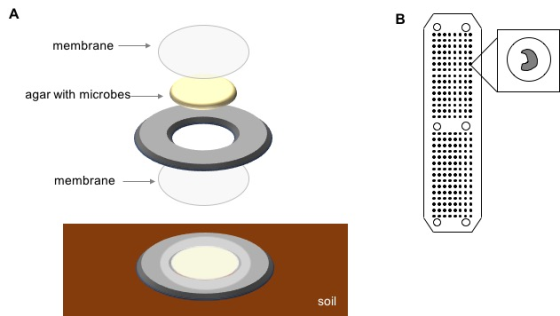
Figure 2. In situ cultivation by A. diffusion chamber (adapted from ). B. ichip (adapted from ).
Express silent or cryptic biosynthetic genes
With advances in next-generation sequencing, several actinomycete genomes have been sequenced. Genomes of known antibiotic producers were found to have many other biosynthetic clusters of unknown functions. Many actinomycetes, particularly Streptomyces species, have 20-30 biosynthetic clusters . They are not routinely expressed under standard cultivation conditions, and there are several ongoing efforts to express these silent pathways and examine their products. Many of the following methods can also be used to increase antibiotic yields.
Changing culture conditions
The secondary metabolome of many species can be perturbed by the simple alteration of culture conditions such as medium components, the addition of precursors, temperature, pH, and dissolved oxygen. The OSMAC (one strain, many compounds) approach was demonstrated with six strains (2 fungi, 4 Streptomyces) where modifying culture conditions resulted in 100 new compounds from 25 structural classes . S. roseoporus produced daptomycin when decanoic acid was added to the culture Stresses such as ethanol and heat shock resulted in the production of jadomycin by S. venezuelae . Heavy metal stresses could stimulate antibiotic production in metal tolerant actinobacteria]. Antibiotics such as lincomycin at sub-inhibitory concentrations can stimulate silent pathways in Streptomyces species
Ribosome engineering
This method was discovered when scientists observed that actinorhodin production by the non-producing Streptomyces lividans was stimulated by mutation of the ribosomal S12 protein . A simple way to introduce ribosomal mutations is by exposing strains to aminoglycoside antibiotics; strains that become resistant to these antibiotics harbor mutations in the ribosome. When more than 1000 actinomycetes from soil were tested, more than half of the non-producing strains could be made to produce antibiotics after they were made resistant to rifampicin or streptomycin. A new class of antibacterials named piperidamycin was discovered this way . Resistance to other ribosome targeting antibiotics such as gentamicin or erythromycin could also stimulate antibiotic production.
Genetic Engineering
Knocking out genes for one secondary metabolite can direct resources for the production of other silent pathways. When rifamycin synthesis genes were deleted in the known rifamycin producer Amycolatopsis mediterranei, ten new amexanthomycins were produced . Altering the expression of global regulators or introduction of a heterologous global regulator can change the secondary metabolome unpredictably. Introduction of the regulator AbsA2 into Streptomyces flavopersicus induced production of pulvomycin . Many biosynthetic gene clusters include pathway-specific regulators. Such pathway-specific activators when overexpressed can increase the yield of the natural product or stimulate a previously silent cluster (e.g., production of stambomycin in Streptomyces ambofaciens ). Similarly, deletion of pathway-specific repressor genes can stimulate expression of silent genes (e.g., production of angucyclinone in a Streptomyces sp Recent research efforts have made available a library of synthetic promoters for fine-tuned expression in actinomycetes .
Heterologous expression
Specific strains of Streptomyces coelicolor, S. lividans, S. albus, and S. avermitilis have been developed as host strains for heterologous expression of biosynthetic gene clusters. These strains have been deleted of their native biosynthetic gene clusters, which leaves resources free for the expression of the heterologous product and also allows easier detection of the product without interfering background from the native products Recently, large BAC libraries of Streptomyces rochei were heterologously expressed in S. albus in a high-throughput library transfer system. This led to the identification of known metabolites as well as novel, previously silent, natural products . Another team cloned the minimal polyketide synthase gene clusters from environmental DNA and heterologously expressed them in S. albus. To express stubborn, silent gene clusters, they also overexpressed pathway specific activators and co-transformed S. albus with it. They screened the co-transformants for activity against pathogens and identified tetarimycin A with activity against MRSA.
Chromatin remodeling
Deletion or overexpression of histone methyltransferases or histone deacetylases can alter secondary metabolite production in fungi like Aspergillus by chromatin remodeling. The addition of inhibitors of histone deacetylases has been used to activate cryptic pathways in Aspergillus ]. It was discovered that similarly, histone deacetylase inhibitors could activate cryptic pathways in Streptomyces, although the mechanism behind transcription induction is not known .
Coculture cultivation
In nature, microbial species are very rarely present in isolation. There are several reports of growth in co-culture with another species resulting in induction of antibiotic production, often of previously silent gene clusters Ueda tested pairings between 76 Streptomyces strains and found that 26 strains could stimulate antibiotic production in 10 strains At least some of these stimulations were because of sharing of the siderophore desferrioxamine, which may have provided iron for the co-cultured strain ]. Some bacteria produce antibiotics which at sub-inhibitory concentrations can stimulate antibiotic production in other strains. Promomycin, produced by a Streptomyces strain, can stimulate antibiotic production in other Streptomyces strains .
Co-cultures can induce silent antibiotic genes because of competition. The antibiotic istamycin was produced by the marine Streptomyces tenjimariensis in competition with marine microbial species ]. The fungi Fusarium tricinctumincreased production of secondary metabolites and made new antibacterials only in co-culture with Bacillus subtilis .
There are also examples where physical contact between the two microbial species is needed for antibiotic production: pestalone production by a marine fungus in contact with a marine bacterium ; orsellinic acid production in Aspergillus nidulans when it was co-cultured with Streptomyces hygroscopicus (only this particular strain out of 58 actinomycetes induced the cryptic pathway) ; alchivemycin production by Streptomyces endus in co-culture with mycolic acid-containing bacteria .
Add Answer to:
Where in the bacterium is resistance genetically coded? Which
genetic elements hold what types of resistance...
5. Beta-lactam antibiotics are the major antibiotics. Where they act? Name two different types of antibiotics...
 5. Beta-lactam antibiotics are the major antibiotics. Where they act? Name two different types of antibiotics which fall in this category. Explain where they resemble and where they differ. 6. Penicillin and Tetracycline; which one is narrow spectrum and which one is broad spectrum and why-explain. 7. There are two types of antibiotics which act on membrane. Name one member of each type. Why one antibiotics of this group exclusive works on fungus/protists and not on bacteria. 8. Many antibiotics...
3. What are two ways by which bacteria can overcome (or resist) the effects of antibiotics (i.e., what are 2 things bact...
3. What are two ways by which bacteria can overcome (or resist) the effects of antibiotics (i.e., what are 2 things bacteria can do to antibiotics so they do NOT work against bactertia)? Which form of DNA is most likely to contain genes that specify antibiotic resistance? 4. Some bacteria can stop the activation of complement. Suggest how this might be accomplished (ie- suggest 2 or 3 things bacteria might do to complement to stop or prevent complement activation). Describe...
I believe that the only argument for genetically engineering children comes in one form. And that...
I believe that the only argument for genetically engineering children comes in one form. And that is, imagine the diseases we could prevent and imagine the transmission of genetically handed down diseases we could stop if we decided how the genetic code looked and operated? The idea in of itself is intoxicating. You'd be preventing future heartache or maybe even heartache from birth by taking out the genes that would inevitably cause more harm than good in the child. In...
LAB Genetic Engineering of Bacteria Problem Is it possible to transfer the allele for resistance to...
 LAB Genetic Engineering of Bacteria Problem Is it possible to transfer the allele for resistance to the antibiotic ampicillin into a bacterial cell? Objectives After completing this lab, the student will be able to: 1. Demonstrate micropipetting and sterile pipetting techniques for handling and transferring bacteria and plasmid DNA. 2. Maintain sterile conditions for culturing bacterial cells. 3. Inoculate bacteria into flasks, culture tubes, or agar plates. 4. Culture isolated individual colonies from an agar plate to form genetically identical...
LAB17 Genetic Engineering of Bacteria Problem Is it possible to transfer the allele for resistance to...
 LAB17 Genetic Engineering of Bacteria Problem Is it possible to transfer the allele for resistance to the antibiotic ampicillin into a bacterial cell? Objectives After completing this lab, the student will be able to: 1. Demonstrate micropipetting and sterile pipetting techniques for handling and transferring bacteria and plasmid DNA. 2. Maintain sterile conditions for culturing bacterial cells. 3. Inoculate bacteria into flasks, culture tubes, or agar plates. 4. Culture isolated individual colonies from an agar plate to form genetically identical...
I need some help with these questions. Please if you not sure of the answer Just...
I need some help with these questions. Please if you not sure of the answer Just leave the questions alone; Am feed up of getting wrong answers. came here for help. Thank you Microbiology. 1. In which of the following scenarios may a bactericidal drug be chosen over a bacteriostatic drug? Your otherwise healthy patient has bacterial conjunctivitis caused by the Gram-negative bacterium Haemophilus aegyptius. Your otherwise healthy patient has pinworm caused by the roundworm Enterobius vermicularis. Your pediatric patient...
The Coca-Cola company has found a bacterium taimus Lolimonada which can grow on Coca-Cola As a...
The Coca-Cola company has found a bacterium taimus Lolimonada which can grow on Coca-Cola As a food source. To understand how the bacterium utilizes Coca-Cola, the company paid the student Biology has advanced year to carry out mutant analysis. The student discovered that he was using the coca Cola involves at least three genetic elements, which he called CocB, CocA and CocC. When Coca-Cola is added to the tumor substrate, CocB and CocC transcription levels increase as well CocA transcription...
1) Please list and describe the various types of Counting Techniques 2) The fixed-price dinner at...
1) Please list and describe the various types of Counting Techniques 2) The fixed-price dinner at a local Mexican restaurant provides the following choice a. Appetizer: Soup or Salad b. Entrée: Baked chicken, beef patties, beef liver or roast beef c. Dessert: Ice cream or cheese cake Which counting method is appropriate? How many different meals can be ordered? 3) The International Airline Transportation Association assigns three letter codes to represent airport locations. For example, the airport code for Portland...
1. Damaged DNA is discovered during the G1 checkpoint. How does p53 react, and what are...
1. Damaged DNA is discovered during the G1 checkpoint. How does p53 react, and what are the possible results? 2. If S phase checkpoints detect nucleotides deficit, what happens to the dividing cell and the cell cycle? 3. What three conditions may be detected during the G2 checkpoints, and what are the two possible results if there is inadequate DNA or spindle fibers? 4. What two conditions are checked during the metaphase checkpoint? What happens if the cell “passes” the...
Persuasion is a constant in each of our lives. No matter where we look, what we...
Persuasion is a constant in each of our lives. No matter where we look, what we read, what we see, or who we interact with, we are inevitably going to encounter some form of persuasion. Advertisements want us to buy things. Newspapers and television want to convince us of how we should feel about events. We are put into positions where we must defend our thoughts and beliefs to others, and the process we apply is typically some form of...
 5. Beta-lactam antibiotics are the major antibiotics. Where they act? Name two different types of antibiotics which fall in this category. Explain where they resemble and where they differ. 6. Penicillin and Tetracycline; which one is narrow spectrum and which one is broad spectrum and why-explain. 7. There are two types of antibiotics which act on membrane. Name one member of each type. Why one antibiotics of this group exclusive works on fungus/protists and not on bacteria. 8. Many antibiotics...
 LAB Genetic Engineering of Bacteria Problem Is it possible to transfer the allele for resistance to the antibiotic ampicillin into a bacterial cell? Objectives After completing this lab, the student will be able to: 1. Demonstrate micropipetting and sterile pipetting techniques for handling and transferring bacteria and plasmid DNA. 2. Maintain sterile conditions for culturing bacterial cells. 3. Inoculate bacteria into flasks, culture tubes, or agar plates. 4. Culture isolated individual colonies from an agar plate to form genetically identical...
 LAB17 Genetic Engineering of Bacteria Problem Is it possible to transfer the allele for resistance to the antibiotic ampicillin into a bacterial cell? Objectives After completing this lab, the student will be able to: 1. Demonstrate micropipetting and sterile pipetting techniques for handling and transferring bacteria and plasmid DNA. 2. Maintain sterile conditions for culturing bacterial cells. 3. Inoculate bacteria into flasks, culture tubes, or agar plates. 4. Culture isolated individual colonies from an agar plate to form genetically identical...
Most questions answered within 3 hours.
-
Where is the error in this code sequence?
String s1 = "Hello";
String s2 = "ello";...
asked 10 months ago -
Financial data for Joel de Paris, Inc., for last year
follow:
Joel de Paris, Inc.
Balance...
asked 10 months ago -
Consider this reaction:
Al2(SO4)3 (aq)+ BaCl3
(aq) Al2Cl6 (aq)- +
3BaSO4(s) . What is the...
asked 10 months ago -
Suppose that Savneet is considering increasing her
recent random sample from 20 car rentals to 40...
asked 10 months ago -
Trucks arrive at an unloading terminal at an average rate of 120
per hour.
Trucks arrive...
asked 10 months ago -
Why are methanol and ethanol completely soluble in water while
octanol is not very little soluble....
asked 10 months ago -
A facilities manager at a university reads in a research report
that the mean amount of...
asked 10 months ago -
When the CuSO4 is rehydrated by adding water to the anhydrous
compound, is this an endothermic...
asked 10 months ago -
A ray of sunlight is passing from diamond into crown glass; the
angle of incidence is...
asked 10 months ago -
A block of mass 0.249 kg is placed on top of a light, vertical
spring of...
asked 10 months ago -
how do the kidneys compensate in the presences of acidosis
a) trigger hyperventilate
b) reserve acid...
asked 10 months ago -
Question 501 pts
The rental rate of capital to the firm increases. Which of the
following...
asked 10 months ago