QUESTION 11 Which of the following provide separation of the Eumetazoa? a. Multicellular. b. Number of...
QUESTION 11
-
Which of the following provide separation of the Eumetazoa?
a. Multicellular.
b. Number of germ layers.
c. Type of symmetry.
d. Only A & B.
e. All of the above.
QUESTION 12
-
Which group or clade is missing mesoderm germ layers?
a. Anthozoa
b. Bilateria
c. Platyhelminthes
d. Annelida
e. None of the above.
QUESTION 13
-
Though plants, fungi, and prokaryotes all have cell walls, we place them in different taxa. Which of these observations comes closest to explaining the basis for placing these organisms in different taxa, well before relevant data from molecular systematics became available?
a. Their cell walls are composed of very different biochemicals.
b. Some have cell walls only for support.
c. Some have cell walls only for protection from herbivores.
d. Some have cell walls only to control osmotic balance.
e. Some closely resemble animals, which lack cell walls.
QUESTION 14
-
The last common ancestor of all animals was probably a:
a. Unicellular yeast
b. Multicellular fungus
c. Multicellular algae
d. Flagellated Protist.
e. Slime Mould
QUESTION 15
-
Sponges are most accurately described as:
a. Aquatic filter feeders
b. Freshwater scavengers.
c. Aquatic autotrophs
d. Detritivores
e. Marine predators.
QUESTION 16
-
All of the following are advantageous of a body cavity except:
a. Provides room for heart expansion.
b. Increase protection of internal organs.
c. Increase in complexity of the organ systems.
d. Results in a radial body symmetry.
QUESTION 17
-
The group known as Lophotrochozoa includes about 18 animal phyla and has a huge diversity of body forms. On what basis are all these animals thought to be in the same clade?
a. Body cavity.
b. DNA sequences.
c. Type of skeleton.
d. Embryo structure.
e. Type of germ layers.
QUESTION 18
-
The clam, snail, and octopus are all molluscs. The muscular foot of a snail is homologous to (i.e. derived from the same structure as) which one of these?
a. Shell of the clam
b. Siphon tube of the clam.
c. Mouth of the octopus.
d. Head of the octopus
e. The visceral mass of the snail.
QUESTION 19
-
The chloroplasts of land plants are thought to have been derived according to which evolutionary sequence?
a. cyanobacteria -> green algae -> fungi -> land plants
b. cyanobacteria -> red algae -> green algae -> land plants
c. cyanobacteria -> green algae -> land plants
d. red algae -> brown algae -> green algae -> land plants
Homework Answers
11. Number of germ layers provides the separation of eumetazoans or diploblasts which posses 2 germ layers endoderm and ectoderm.
12.Anthozoa is missing the mesoderm as it belongs to the phylum Cnidaria which comprises of diploblastic animals.
13.They were placed under different taxa as their cell walls are composed of very different biochemicals such as chitin, cellulose, pectin, glycopolysaccharides,etc
14.The last common ancestor of all animals was probably a flagellated protist.
15. Sponges are most accurately described as aquatic filter feeders.
16.Results in a radial symmetry which isn't advantageous.
17.They are grouped together on the basis of their embryo structure. All of them have trochophore larva.
18.Mouth of the octopus.
19.cyanobacteria-red algae-green algae-land plants.
Since you have posted multiple questions i can only answer the first question fully according to the HomeworkLib guidelines. Try posting single question every time from the next time. Hope the answers help. Thank you.
Add Answer to:
QUESTION 11
Which of the following provide separation of the Eumetazoa?
a.
Multicellular.
b.
Number of...
1. Red algae are A B. C. protists plants fungi animals prokaryotes D. Brown algae area...
 1. Red algae are A B. C. protists plants fungi animals prokaryotes D. Brown algae area A. B. C. protists plants fungi animals prokaryotes E. gave rise to the entire terrestrial plant A single species of freshwater lineage. A. B. C. red algae brown algae green algae fungus prokaryote D. E. Green algae split into 2 clades: A. B. c. D. chromalveolata and stramenopila rhizaria and cercozoa alveolata and stramenopila excavata and opisthokonta chlorophytes and charophytes 5. The green algae...
41. Microsporidia are A. Unicellular plant parasites B. Multicellular plant parasites C. Unicellular animal parasites D....
 41. Microsporidia are A. Unicellular plant parasites B. Multicellular plant parasites C. Unicellular animal parasites D. Multicellular animal parasites E. Protists 42. Fungi digest in mammalian herbivore rumens. A. plant biomass B. animal biomass c. other fungi D. protists E. bacteria 43. The genus of lichens is A. Lichen B. Cyanolichen C. Algaensis D. Cyanoalgaensis E. Lichens do not have a single genus 44. Symbiotic relationships occur between fungi and A. Bacteria B. Animals C. Plants D. Green algae E....
36. Which of these groups of taxa are not close-relatives? a. Diplomonads & Parabasalids c. Red...
 36. Which of these groups of taxa are not close-relatives? a. Diplomonads & Parabasalids c. Red algae & Green algae b. Spirochetes and Amoebas d. Apicomplexans & Ciliates 57. Which form a monophyletic group (clade)? a. Prokaryotes b. Green Algae c. Flagellates d. Ciliates 58. Which type of protozoans are not able to move (nonmotile)? a. apicomplexans b. ciliates c. flagellates d. amoebas 59. are protists formed by endosymbiosis between a heterotrophic eukaryote and a red algae. a. Rhizarians/Amoebozoans c....
Permian extinction... Which of the following statements about the Permian extinction is FALSE? A. An estimated...
Permian extinction... Which of the following statements about the Permian extinction is FALSE? A. An estimated 95% of all marine species were lost during the event. B. Adaptive radiations of surviving groups occurred afterwards. C. An estimated 70% of all terrestrial vertebrate species were lost during the event. D. It occurred around 250 million years ago. E. It caused the extinction of the dinosaurs. Which of the following statements about taxonomy is FALSE? A. Species that are in the same...
Using Figure 26.21 from Campbell's Biology (p. 567), answer the following questions about the hypothesized evolutionary...
 Using Figure 26.21 from Campbell's Biology (p. 567), answer the following questions about the hypothesized evolutionary relationships among these eukaryotic groups a. Of the taxa shown in Figure 26.21, which one is most closely related to Fungi? Explain your answer. b. Of the taxa shown in Figure 26.21, which one is most closely related to Plants? Explain your answer. Euglenozoans Forams Polytomy Diatoms Ciliates Red algae Green algae Domain Eukarya Plants Tubulinids Fungi Animals Euryarcheotes Archaea Domain COMMON ANCESTOR OF...
Use the diagram to answer the question Based on the evidence in the diagram, which statement...
 Use the diagram to answer the question Based on the evidence in the diagram, which statement is true about fungi? Euglenozoans Forams Polytomy Diatoms Ciliates Red algae Domain Eukarya Green algae Plants Tubulinids Fungi Animals 2017 A. They are more closely related to plants than to animals B. They are more closely related to animals than to plants. C. They are more closely related to green algae than to plants. D. They are more closely related to green algae than...
What are the answers to those questions? Which of the following is a characteristic that is...
 What are the answers to those questions?
Which of the following is a characteristic that is NO shared by gymnosperms and angiosperms? A) production of the male gametophyte within the pollen grain B) a female gametophyte that is retained within sporophyte tissue C) Production of both pollen and seeds D) Production of a triploid endosperm Which of the following cells has a different ploidy level from the rest? A) root cells of a flowering plant B) zygote C) cells of...
What are the answers to those questions?
Which of the following is a characteristic that is NO shared by gymnosperms and angiosperms? A) production of the male gametophyte within the pollen grain B) a female gametophyte that is retained within sporophyte tissue C) Production of both pollen and seeds D) Production of a triploid endosperm Which of the following cells has a different ploidy level from the rest? A) root cells of a flowering plant B) zygote C) cells of...
Written Question Section: Name: This part of the test will be written on this paper, use...
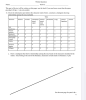 Written Question Section: Name: This part of the test will be written on this paper, use the back if you need more room than the space provided. (10 pts + 1 pt extra credit) 11. Given the information provided in the character matrix below, construct a cladogram showing relationships among the taxa included. Taxa Character Bacteria Archaea Nucleariids Fungi Animals Charophyta (green algae) Choano flagellates Embryo - phytes (land plants) Cell membrane Histone proteins Nucleus & Mitochondria Chlorophyll a and...
Question 1 1) Embryophytes are 1. Land Plants 2. phylogenetically one lineage of green algae 3....
 Question 1 1) Embryophytes are 1. Land Plants 2. phylogenetically one lineage of green algae 3. a non-monophyletic group 4. sister taxa a to Chlorophytes 5. plants that nurture a multicelled embryo inside the maternal tissue A) 1, 2 & 5 B) 1,3,& 4 C) 1, 2, 4. & 5 D) 2.3.& 4 E) All of the above Question 2 1 pts 2) Embryophytes and Charophytes and united by which shard features? 1. Rings of cellulose-synthesizing proteins 2. Structure of...
please choose the right answer Question 36 You decide green algae should be classified as plants....
 please choose the right answer
Question 36 You decide green algae should be classified as plants. Which of the following is most likely NOT a reason why you would do this? a. Two of these are not reasons to call algae plants. b. They have genes similar to genes in land plants. c. They are single-celled organisms. d. They have cellulose in their cell walls. e. They have chlorophyll.
please choose the right answer
Question 36 You decide green algae should be classified as plants. Which of the following is most likely NOT a reason why you would do this? a. Two of these are not reasons to call algae plants. b. They have genes similar to genes in land plants. c. They are single-celled organisms. d. They have cellulose in their cell walls. e. They have chlorophyll.
 1. Red algae are A B. C. protists plants fungi animals prokaryotes D. Brown algae area A. B. C. protists plants fungi animals prokaryotes E. gave rise to the entire terrestrial plant A single species of freshwater lineage. A. B. C. red algae brown algae green algae fungus prokaryote D. E. Green algae split into 2 clades: A. B. c. D. chromalveolata and stramenopila rhizaria and cercozoa alveolata and stramenopila excavata and opisthokonta chlorophytes and charophytes 5. The green algae...
 41. Microsporidia are A. Unicellular plant parasites B. Multicellular plant parasites C. Unicellular animal parasites D. Multicellular animal parasites E. Protists 42. Fungi digest in mammalian herbivore rumens. A. plant biomass B. animal biomass c. other fungi D. protists E. bacteria 43. The genus of lichens is A. Lichen B. Cyanolichen C. Algaensis D. Cyanoalgaensis E. Lichens do not have a single genus 44. Symbiotic relationships occur between fungi and A. Bacteria B. Animals C. Plants D. Green algae E....
 36. Which of these groups of taxa are not close-relatives? a. Diplomonads & Parabasalids c. Red algae & Green algae b. Spirochetes and Amoebas d. Apicomplexans & Ciliates 57. Which form a monophyletic group (clade)? a. Prokaryotes b. Green Algae c. Flagellates d. Ciliates 58. Which type of protozoans are not able to move (nonmotile)? a. apicomplexans b. ciliates c. flagellates d. amoebas 59. are protists formed by endosymbiosis between a heterotrophic eukaryote and a red algae. a. Rhizarians/Amoebozoans c....
 Using Figure 26.21 from Campbell's Biology (p. 567), answer the following questions about the hypothesized evolutionary relationships among these eukaryotic groups a. Of the taxa shown in Figure 26.21, which one is most closely related to Fungi? Explain your answer. b. Of the taxa shown in Figure 26.21, which one is most closely related to Plants? Explain your answer. Euglenozoans Forams Polytomy Diatoms Ciliates Red algae Green algae Domain Eukarya Plants Tubulinids Fungi Animals Euryarcheotes Archaea Domain COMMON ANCESTOR OF...
 Use the diagram to answer the question Based on the evidence in the diagram, which statement is true about fungi? Euglenozoans Forams Polytomy Diatoms Ciliates Red algae Domain Eukarya Green algae Plants Tubulinids Fungi Animals 2017 A. They are more closely related to plants than to animals B. They are more closely related to animals than to plants. C. They are more closely related to green algae than to plants. D. They are more closely related to green algae than...
 What are the answers to those questions?
Which of the following is a characteristic that is NO shared by gymnosperms and angiosperms? A) production of the male gametophyte within the pollen grain B) a female gametophyte that is retained within sporophyte tissue C) Production of both pollen and seeds D) Production of a triploid endosperm Which of the following cells has a different ploidy level from the rest? A) root cells of a flowering plant B) zygote C) cells of...
What are the answers to those questions?
Which of the following is a characteristic that is NO shared by gymnosperms and angiosperms? A) production of the male gametophyte within the pollen grain B) a female gametophyte that is retained within sporophyte tissue C) Production of both pollen and seeds D) Production of a triploid endosperm Which of the following cells has a different ploidy level from the rest? A) root cells of a flowering plant B) zygote C) cells of...
 Written Question Section: Name: This part of the test will be written on this paper, use the back if you need more room than the space provided. (10 pts + 1 pt extra credit) 11. Given the information provided in the character matrix below, construct a cladogram showing relationships among the taxa included. Taxa Character Bacteria Archaea Nucleariids Fungi Animals Charophyta (green algae) Choano flagellates Embryo - phytes (land plants) Cell membrane Histone proteins Nucleus & Mitochondria Chlorophyll a and...
 Question 1 1) Embryophytes are 1. Land Plants 2. phylogenetically one lineage of green algae 3. a non-monophyletic group 4. sister taxa a to Chlorophytes 5. plants that nurture a multicelled embryo inside the maternal tissue A) 1, 2 & 5 B) 1,3,& 4 C) 1, 2, 4. & 5 D) 2.3.& 4 E) All of the above Question 2 1 pts 2) Embryophytes and Charophytes and united by which shard features? 1. Rings of cellulose-synthesizing proteins 2. Structure of...
 please choose the right answer
Question 36 You decide green algae should be classified as plants. Which of the following is most likely NOT a reason why you would do this? a. Two of these are not reasons to call algae plants. b. They have genes similar to genes in land plants. c. They are single-celled organisms. d. They have cellulose in their cell walls. e. They have chlorophyll.
please choose the right answer
Question 36 You decide green algae should be classified as plants. Which of the following is most likely NOT a reason why you would do this? a. Two of these are not reasons to call algae plants. b. They have genes similar to genes in land plants. c. They are single-celled organisms. d. They have cellulose in their cell walls. e. They have chlorophyll.
Most questions answered within 3 hours.
-
Where is the error in this code sequence?
String s1 = "Hello";
String s2 = "ello";...
asked 11 months ago -
Financial data for Joel de Paris, Inc., for last year
follow:
Joel de Paris, Inc.
Balance...
asked 11 months ago -
Consider this reaction:
Al2(SO4)3 (aq)+ BaCl3
(aq) Al2Cl6 (aq)- +
3BaSO4(s) . What is the...
asked 11 months ago -
Suppose that Savneet is considering increasing her
recent random sample from 20 car rentals to 40...
asked 11 months ago -
Trucks arrive at an unloading terminal at an average rate of 120
per hour.
Trucks arrive...
asked 11 months ago -
Why are methanol and ethanol completely soluble in water while
octanol is not very little soluble....
asked 11 months ago -
A facilities manager at a university reads in a research report
that the mean amount of...
asked 11 months ago -
When the CuSO4 is rehydrated by adding water to the anhydrous
compound, is this an endothermic...
asked 11 months ago -
A ray of sunlight is passing from diamond into crown glass; the
angle of incidence is...
asked 11 months ago -
A block of mass 0.249 kg is placed on top of a light, vertical
spring of...
asked 11 months ago -
how do the kidneys compensate in the presences of acidosis
a) trigger hyperventilate
b) reserve acid...
asked 11 months ago -
Question 501 pts
The rental rate of capital to the firm increases. Which of the
following...
asked 11 months ago