
Homework Answers
Obviously enzymes are highly specific to the substrate. So the enzymes produced by two species can be same, though it is unrelated. Because same enzymes may be needed for two different species. For example enzymes like lipase, catalase and amylase etc., present in both plants and animals, though they are unrelated have same functional enzymes.
Add Answer to:
Imagine this situation: Species #1 and Species 2 are unrelated, but each produces an enzyme capable...
Please answer ALL questions or I'll thumbs down! 2) Imagine an enzyme that has a histidine...
 Please answer ALL questions or I'll thumbs
down!
2) Imagine an enzyme that has a histidine in the substrate binding pocket that regulates substrate binding based on its protonation state to control enzyme function. Substrates can only bind in the unprotonated state; in other words, substrate binding is blocked when the histidine is protonated and when the substrate is bound, the histidine cannot be protonated. This enzyme exhibits classical Michaelis-Menten behavior. a) Assume that the pka of the histidine in...
Please answer ALL questions or I'll thumbs
down!
2) Imagine an enzyme that has a histidine in the substrate binding pocket that regulates substrate binding based on its protonation state to control enzyme function. Substrates can only bind in the unprotonated state; in other words, substrate binding is blocked when the histidine is protonated and when the substrate is bound, the histidine cannot be protonated. This enzyme exhibits classical Michaelis-Menten behavior. a) Assume that the pka of the histidine in...
DNA STRUCTURE Imagine two species, X & Y. Each species is haploid and has a single...
 DNA STRUCTURE Imagine two species, X & Y. Each species is haploid and has a single chromosome of 10,000 base pairs (bp or 10 kbp). You are analyzing their DNA, and you find that 2 kbp of species X are adenine and 4 kbp of species Y are guanine. Use this information to answer the following questions: 9. For species X, how many kbp of DNA there are for each of the four nitrogenous bases: adenine (A), thymine (T), guanine...
3. (5 points) Researchers wanted to investigate how the bacterial species Colwellia degrades oil. They found...
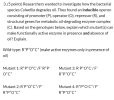 3. (5 points) Researchers wanted to investigate how the bacterial species Colwellia degrades oil. They found an inducible operon consisting of promoter (P), operator (O), repressor (R), and structural genes for metabolic oil-degrading enzyme-complex (C). Based on the genotypes below, explain which mutant(s) can make functionally active enzyme in presence and absence of oil? Explain. Wild-type: R+P+o+c+ (make active enzymes only in presence of oil) Mutant 1: R+pto+c-/F'R+P o+c+ Mutant 3: R-Pto+C/F' R+p+o+c+ Mutant 2: R-Pto+c+/F' Ripto+c+ Mutant 4: R+ptoʻct/F...
1) Imagine that you are interested in studying the enzyme dihydrofolate reductase (DHFR) from Mycobacterium tuberculosis...
 1) Imagine that you are interested in studying the enzyme dihydrofolate reductase (DHFR) from Mycobacterium tuberculosis (this enzyme is a potential drug target). The amino acid sequence of the protein is: MTMVGCIWAQATSGVIGRGGDIPWRLPEDQAHFREITMGHTIVMGRRTWDSLPAKVRPLPGRRNWL SRQADFMASGAEWGSLEEALTSPETWVIGGGQVYALALPYATRCEVTEVDIGLPREAGDALAPVLD ETWRGETGEWRFSRSGLRYRLYSYHRS The DNA sequence within the M. tuberculosis genome that codes for the protein is: ATGACGATGGTGGGGCTGATCTGGGCTCAAGCGACATCGGGTGTCATCGGCCGCGGCGGCGACATCCCCT GGCGCTTGCCCGAGGACCAGGCGCATTTCCGGGAGATCACCATGGGGCACACGATCGTGATGGGCCGGCG CACATGGGATTCGCTGCCGGCTAAAGTCCGGCCGCTGCCCGGCCGGCGAAATGTCGTACTGAGCCGCCAA GCTGACTTTATGGCCAGCGGGGCTGAGGTTGTCGGTTCACTCGAGGAGGCGCTGACCAGCCCGGAGACGT GGGTGATCGGAGGCGGACAAGTCTATGCGCTGGCGCTGCCGTACGCGACCAGATGTGAGGTTACCGAGGT CGACATCGGCCTGCCGCGCGAAGCCGGTGACGCGCTGGCCCCCGTGCTGGACGAGACATGGCGGGGCGAG ACGGGGGAGTGGCGCTTCAGCCGGTCCGGGTTGCGGTACCGGTTGTACAGCTACCACCGCTCATGA Assume that you have been given a sample of the bacterial genomic DNA, restriction enzymes Ndel and BamHi, and a plasmid from Novagen called PET-28b....
2. What is the enzyme being tested? 3. What is the substrate if the enzyme? 4....
 2. What is the enzyme being tested? 3. What is the substrate if the enzyme? 4. For what purpose do bacteria that have the enzyme utilize it? 6. What will occur if the plate is incubated right side up? 7. What will occur if the plate is incubated for more than 24-48 hours? Exercise 7: Selective and Differential Growth Medium and Tests 95 Exercise 7.9 Hydrolytic Exoenzymes: Lipase and Casease LIPASE TEST Lipids are fatty acids used by some bacterium...
Each day, the pancreas produces up to 1.5 L of pancreatic juices that enter the duodenum...
 Each day, the pancreas produces up to 1.5 L of pancreatic juices that enter the duodenum via the pancreatic duct. The pancreatic juices consist of water, salts, bicarbonate ions, and digestive enzymes. Bicarbonate ion raises the pH of the acidic chyme from the stomach, stopping the active ity of pepsin and allowing the pancreatic and intestinal enzymes to function. The various pancre. atic enzymes and their substrates are listed in Table 10.2. Table 10.2 Various enzymes produced by the pancreas...
1. How are lactic-acid bacteria used in fermentation? Please give three examples. 2. Name two species...
1. How are lactic-acid bacteria used in fermentation? Please give three examples. 2. Name two species that are medically important in the lactic-acid bacteria group and a disease that is caused by each one. 3. Name two ways bacteria can produce hydrogen sulfide. What are the two enzymes important in those pathways? 4. What three tests can be done using a single SIM tube? 5. A firm acid clot can appear as a pink or white tube with a pink...
1. What are the different sources of energy available to living organisms? 2. How do the...
 1. What are the different sources of energy available to living organisms? 2. How do the acquisition and the use of energy by living organisms work according to the laws of thermodynamics? 3. Explain the energy use in the following reactions: endergonic/exergonic. 4. What is metabolism? How are chemical reactions related to metabolism? Why is energy needed to run a metabolism? What are coupled reactions? 5. Draw a picture of ATP. Why is this molecule so important for cells? How...
pH Effects on Enzyme Activity Another environmental factor regulates enzyme activity is pH (the level of...
 pH Effects on Enzyme Activity Another environmental factor regulates enzyme activity is pH (the level of acidity or alkalinity of a solution). As you may recall, the pH scale extends from 0 (very acidic) to 7 (neutral) to 14 (very alkaline or basic). We can use chemicals called buffers to help maintain a specific pH in solution. The pH scale and buffers are described in your online text (section 2.2, https://openstax.org/books/concepts- biology/pages/2-2-water). The spot plate diagram below shows a series...
Imagine two lemurs (Lemur 1 and Lemur 2) who regularly interact socially with each other. Lemur...
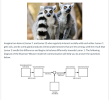 Imagine two lemurs (Lemur 1 and Lemur 2) who regularly interact socially with each other. Lemur 1 gets sick, and its scent gland produces chemical pheromones that are less strong, with the result that Lemur 2 smells this difference and begins to behave differently towards Lemur 1. The following diagram of the Shannon-Weaver model of communication will help you to answer the questions below INFORMATION SOURCE TRANSMITTER RECEIVER DESTINATION RECEIVED SIGNAL SIGNAL MESSAGE MESSAGE NOISE SOURCE Question 6 2.5 pts...
 Please answer ALL questions or I'll thumbs
down!
2) Imagine an enzyme that has a histidine in the substrate binding pocket that regulates substrate binding based on its protonation state to control enzyme function. Substrates can only bind in the unprotonated state; in other words, substrate binding is blocked when the histidine is protonated and when the substrate is bound, the histidine cannot be protonated. This enzyme exhibits classical Michaelis-Menten behavior. a) Assume that the pka of the histidine in...
Please answer ALL questions or I'll thumbs
down!
2) Imagine an enzyme that has a histidine in the substrate binding pocket that regulates substrate binding based on its protonation state to control enzyme function. Substrates can only bind in the unprotonated state; in other words, substrate binding is blocked when the histidine is protonated and when the substrate is bound, the histidine cannot be protonated. This enzyme exhibits classical Michaelis-Menten behavior. a) Assume that the pka of the histidine in...
 DNA STRUCTURE Imagine two species, X & Y. Each species is haploid and has a single chromosome of 10,000 base pairs (bp or 10 kbp). You are analyzing their DNA, and you find that 2 kbp of species X are adenine and 4 kbp of species Y are guanine. Use this information to answer the following questions: 9. For species X, how many kbp of DNA there are for each of the four nitrogenous bases: adenine (A), thymine (T), guanine...
 3. (5 points) Researchers wanted to investigate how the bacterial species Colwellia degrades oil. They found an inducible operon consisting of promoter (P), operator (O), repressor (R), and structural genes for metabolic oil-degrading enzyme-complex (C). Based on the genotypes below, explain which mutant(s) can make functionally active enzyme in presence and absence of oil? Explain. Wild-type: R+P+o+c+ (make active enzymes only in presence of oil) Mutant 1: R+pto+c-/F'R+P o+c+ Mutant 3: R-Pto+C/F' R+p+o+c+ Mutant 2: R-Pto+c+/F' Ripto+c+ Mutant 4: R+ptoʻct/F...
 1) Imagine that you are interested in studying the enzyme dihydrofolate reductase (DHFR) from Mycobacterium tuberculosis (this enzyme is a potential drug target). The amino acid sequence of the protein is: MTMVGCIWAQATSGVIGRGGDIPWRLPEDQAHFREITMGHTIVMGRRTWDSLPAKVRPLPGRRNWL SRQADFMASGAEWGSLEEALTSPETWVIGGGQVYALALPYATRCEVTEVDIGLPREAGDALAPVLD ETWRGETGEWRFSRSGLRYRLYSYHRS The DNA sequence within the M. tuberculosis genome that codes for the protein is: ATGACGATGGTGGGGCTGATCTGGGCTCAAGCGACATCGGGTGTCATCGGCCGCGGCGGCGACATCCCCT GGCGCTTGCCCGAGGACCAGGCGCATTTCCGGGAGATCACCATGGGGCACACGATCGTGATGGGCCGGCG CACATGGGATTCGCTGCCGGCTAAAGTCCGGCCGCTGCCCGGCCGGCGAAATGTCGTACTGAGCCGCCAA GCTGACTTTATGGCCAGCGGGGCTGAGGTTGTCGGTTCACTCGAGGAGGCGCTGACCAGCCCGGAGACGT GGGTGATCGGAGGCGGACAAGTCTATGCGCTGGCGCTGCCGTACGCGACCAGATGTGAGGTTACCGAGGT CGACATCGGCCTGCCGCGCGAAGCCGGTGACGCGCTGGCCCCCGTGCTGGACGAGACATGGCGGGGCGAG ACGGGGGAGTGGCGCTTCAGCCGGTCCGGGTTGCGGTACCGGTTGTACAGCTACCACCGCTCATGA Assume that you have been given a sample of the bacterial genomic DNA, restriction enzymes Ndel and BamHi, and a plasmid from Novagen called PET-28b....
 2. What is the enzyme being tested? 3. What is the substrate if the enzyme? 4. For what purpose do bacteria that have the enzyme utilize it? 6. What will occur if the plate is incubated right side up? 7. What will occur if the plate is incubated for more than 24-48 hours? Exercise 7: Selective and Differential Growth Medium and Tests 95 Exercise 7.9 Hydrolytic Exoenzymes: Lipase and Casease LIPASE TEST Lipids are fatty acids used by some bacterium...
 Each day, the pancreas produces up to 1.5 L of pancreatic juices that enter the duodenum via the pancreatic duct. The pancreatic juices consist of water, salts, bicarbonate ions, and digestive enzymes. Bicarbonate ion raises the pH of the acidic chyme from the stomach, stopping the active ity of pepsin and allowing the pancreatic and intestinal enzymes to function. The various pancre. atic enzymes and their substrates are listed in Table 10.2. Table 10.2 Various enzymes produced by the pancreas...
 1. What are the different sources of energy available to living organisms? 2. How do the acquisition and the use of energy by living organisms work according to the laws of thermodynamics? 3. Explain the energy use in the following reactions: endergonic/exergonic. 4. What is metabolism? How are chemical reactions related to metabolism? Why is energy needed to run a metabolism? What are coupled reactions? 5. Draw a picture of ATP. Why is this molecule so important for cells? How...
 pH Effects on Enzyme Activity Another environmental factor regulates enzyme activity is pH (the level of acidity or alkalinity of a solution). As you may recall, the pH scale extends from 0 (very acidic) to 7 (neutral) to 14 (very alkaline or basic). We can use chemicals called buffers to help maintain a specific pH in solution. The pH scale and buffers are described in your online text (section 2.2, https://openstax.org/books/concepts- biology/pages/2-2-water). The spot plate diagram below shows a series...
 Imagine two lemurs (Lemur 1 and Lemur 2) who regularly interact socially with each other. Lemur 1 gets sick, and its scent gland produces chemical pheromones that are less strong, with the result that Lemur 2 smells this difference and begins to behave differently towards Lemur 1. The following diagram of the Shannon-Weaver model of communication will help you to answer the questions below INFORMATION SOURCE TRANSMITTER RECEIVER DESTINATION RECEIVED SIGNAL SIGNAL MESSAGE MESSAGE NOISE SOURCE Question 6 2.5 pts...
Most questions answered within 3 hours.
-
Where is the error in this code sequence?
String s1 = "Hello";
String s2 = "ello";...
asked 11 months ago -
Financial data for Joel de Paris, Inc., for last year
follow:
Joel de Paris, Inc.
Balance...
asked 11 months ago -
Consider this reaction:
Al2(SO4)3 (aq)+ BaCl3
(aq) Al2Cl6 (aq)- +
3BaSO4(s) . What is the...
asked 11 months ago -
Suppose that Savneet is considering increasing her
recent random sample from 20 car rentals to 40...
asked 11 months ago -
Trucks arrive at an unloading terminal at an average rate of 120
per hour.
Trucks arrive...
asked 11 months ago -
Why are methanol and ethanol completely soluble in water while
octanol is not very little soluble....
asked 11 months ago -
A facilities manager at a university reads in a research report
that the mean amount of...
asked 11 months ago -
When the CuSO4 is rehydrated by adding water to the anhydrous
compound, is this an endothermic...
asked 11 months ago -
A ray of sunlight is passing from diamond into crown glass; the
angle of incidence is...
asked 11 months ago -
A block of mass 0.249 kg is placed on top of a light, vertical
spring of...
asked 11 months ago -
how do the kidneys compensate in the presences of acidosis
a) trigger hyperventilate
b) reserve acid...
asked 11 months ago -
Question 501 pts
The rental rate of capital to the firm increases. Which of the
following...
asked 11 months ago