Can someone please help me with these questions? Please and thank you in advance. 1. Briefly...
Can someone please help me with these questions? Please and thank you in advance.
1. Briefly describe one way that cells used reduced cofactors (NADH, NADPH) produced by central metabolism.
2. Contrast aerobic and anaerobic respiration for chemoorganotrophs that can use glucose as electron donor. Comment on type of electron acceptor and energy/ATP yield.
3. Explain the biosynthetic and energy-producing functions of intermediates from the citric acid cycle.
Homework Answers
Answer 1:
NADH and NADPH are cofactors that carry high-energy electrons and hydrogen atoms. These molecules participate in oxidation-reduction reactions in cells.
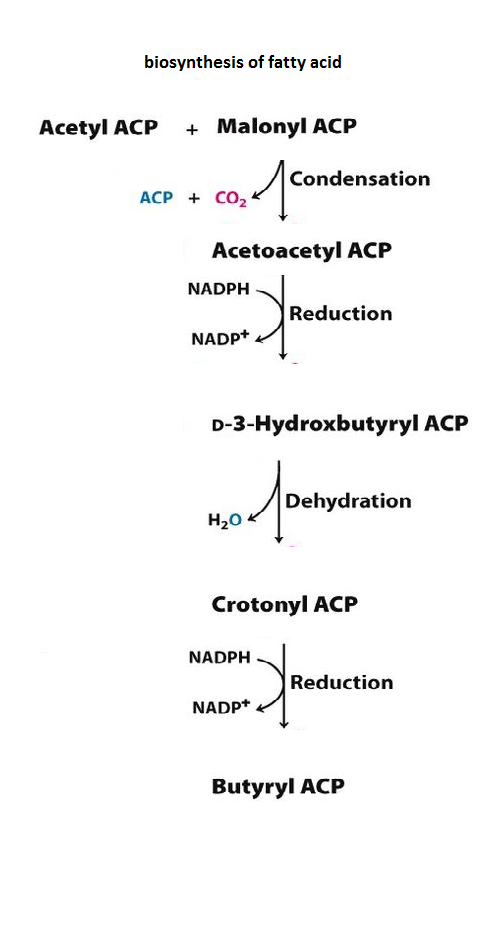
NADPH participates in biosynthetic (anabolic reactions) reactions and coupled with energetically unfavorable reactions by providing high-energy electrons that needed to synthesize energy-rich biological molecules. many enzymes in the cytosol synthesize large biomolecules using NADPH.
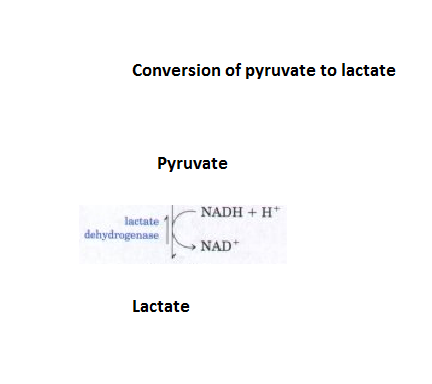
NADH, play an important role as an intermediate in the catabolic (breakdown of molecules) reactions that generate ATP. Mitochondria use NADH during oxidative phosphorylation. Anaerobic utilization of pyruvate.
Add Answer to:
Can someone please help me with these questions? Please and
thank you in advance.
1. Briefly...
this are very difficult questions for my environmental biology class. These are examples from the practice...
 this are very difficult questions for my environmental biology
class. These are examples from the practice homework so can anyone
please help me check my answers.
-) The temperature classes of microorganisms are based on optimum temperatures of microbi A) cell wall C) cell membrane B) enzymes D) All of the above 20) Aerobic respiration, anaerobic respiration, and fermentation are all pathways of which involve the of nutrients. A) Catabolism, reduction B) Anabolism; oxidation C) Catabolism; oxidation D) Anabolism, reduction...
this are very difficult questions for my environmental biology
class. These are examples from the practice homework so can anyone
please help me check my answers.
-) The temperature classes of microorganisms are based on optimum temperatures of microbi A) cell wall C) cell membrane B) enzymes D) All of the above 20) Aerobic respiration, anaerobic respiration, and fermentation are all pathways of which involve the of nutrients. A) Catabolism, reduction B) Anabolism; oxidation C) Catabolism; oxidation D) Anabolism, reduction...
7. (True/false) Because glycolysis produces pyruvate, glycolysis is an anabolic pathway, • True • False 8....
 7. (True/false) Because glycolysis produces pyruvate, glycolysis is an anabolic pathway, • True • False 8. Which metabolism is better equipped to support chemotaxis? • Aerobic respiration • Anaerobic respiration • Aerobic chemolithotrophic metabolisms • Gycolysis alone • Tricarboxylic acid cycle alone 9. Comparing a Saccharomyces cerevisiae yeast cell to a Staphylococcus aureus bacterial cell, which one would have the higher S/V ratio? • Staphylococcus aureus • Saccharomyces cerevisiae 10. (True/false) Metabolic pathways represent a predictable linear set of reactions...
Can someone reword this for me? Please and thank you! Cellular respiration is a process that...
Can someone reword this for me? Please and thank you! Cellular respiration is a process that converts energy from food molecules into the energy of ATP. It involves three stages that occur in the cytoplasm of cells and in the mitochondria. One of the three stages is the citric acid cycle which is a series of reactions that generates reduced electron carriers that transport electrons to the electron transport chain. Since the primary function of the mitochondria is to produce...
CAN SOMEONE PARAPHRASE OR REWORD THIS PARAGRAPH FOR ME? PLEASE AND THANK YOU!! Cellular respiration is...
CAN SOMEONE PARAPHRASE OR REWORD THIS PARAGRAPH FOR ME? PLEASE AND THANK YOU!! Cellular respiration is a process that converts energy from food molecules into the energy of ATP. It involves three stages that occur in the cytoplasm of cells and in the mitochondria. One of the three stages is the citric acid cycle which is a series of reactions that generates reduced electron carriers that transport electrons to the electron transport chain. Since the primary function of the mitochondria...
Ch. 9 11) What are the four steps of cellular respiration? What are the initial reactants...
 Ch. 9 11) What are the four steps of cellular respiration? What are the initial reactants and final products from each of these steps (include NADH and FADH2)? Where do they occur in the cell/mitochondria? 12) Why is the pyruvate processing step necessary? Why not go straight to the citric acid cycle? 13) What is homeostasis? How does cellular respiration play a role in anabolic reactions (think intermediates)? 14) How are the first three steps of cellular respiration regulated? 15)...
Hey! Could someone help me answers these 10 biology questions! 1. Respiration is comprised of a...
Hey! Could someone help me answers these 10 biology questions! 1. Respiration is comprised of a series of redox reactions. The chemical cofactor, NAD+, transitions through two different forms during this process. NAD+ is the _________ form and NADH is the ________ form. Select one: a. Reduced, reduced b. Reduced, oxidized c. Oxidized, oxidized d. Oxidized, reduced 2. Reduced molecules in the body that store energy include carbohydrates (sugars) and ________. Select one: a. Proteins b. Lipids c. None of...
Please describe the aerobic respiration of an organic molecule such as glucose in one concise paragraph...
Please describe the aerobic respiration of an organic molecule such as glucose in one concise paragraph must use the terms: electron donor, electron acceptor, ATP. krebs cycle (TCA and citric acid cycle), proton motive force (proton gradient), oxidation, oxygen, glycolysis, reduction, electron transport chain, catabolic, mitochondria
Categorize the following: Aerobic respiration, Anaerobic respiration, Fermentation, None of these .Assume in all cases that...
Categorize the following: Aerobic respiration, Anaerobic respiration, Fermentation, None of these .Assume in all cases that these processes follow breakdown of glucose by glycolysis. Results in complete oxidation of glucose to CO2 Involves regeneration of reduced co-factors (e.g. regenerating NAD+ from NADH) Generates energy by substrate level phosphorylation only Generates ATP by oxidative phosphorylation Utilizes an electron transport chain Uses molecules such as NO3 - , SO4 2- , or Fe3+ as terminal electron acceptors Products include organic acids, alcohols,...
22. Lipids would produce with the carbohydrate of same weight. energy compared (a) more (b) less...
 22. Lipids would produce with the carbohydrate of same weight. energy compared (a) more (b) less c) the same amount 23. Where are the proteins of electron-transport chain located in mitochondria for the cellular respiration? (a) matrix (c) inner membrane (b) outer membrane (d) both membranes 24. The flow of protons during the light reaction of photosynthesis is from thylakoid space to stroma and back to thylakoid space through the ATPase? (a) True (b) False 25. Which of the following...
The two molecules of electrons produced in glycolysis can be turned into acids and other products...
The two molecules of electrons produced in glycolysis can be turned into acids and other products through ____________ . These molecules then bring the ____________ generated by glycolysis and the Krebs cycle to the ____________ embedded in the bacterial cell ____________ . Cell that conduct ____________ respiration utilize free oxygen as a final electron acceptor in this process, while those that conduct ____________ respiration use oxygen-containing ions to create ATP molecules. The Krebs cycle produces a small amount of ATP, but also generates the reduced ____________ NADH and FADH₂. In other...
 this are very difficult questions for my environmental biology
class. These are examples from the practice homework so can anyone
please help me check my answers.
-) The temperature classes of microorganisms are based on optimum temperatures of microbi A) cell wall C) cell membrane B) enzymes D) All of the above 20) Aerobic respiration, anaerobic respiration, and fermentation are all pathways of which involve the of nutrients. A) Catabolism, reduction B) Anabolism; oxidation C) Catabolism; oxidation D) Anabolism, reduction...
this are very difficult questions for my environmental biology
class. These are examples from the practice homework so can anyone
please help me check my answers.
-) The temperature classes of microorganisms are based on optimum temperatures of microbi A) cell wall C) cell membrane B) enzymes D) All of the above 20) Aerobic respiration, anaerobic respiration, and fermentation are all pathways of which involve the of nutrients. A) Catabolism, reduction B) Anabolism; oxidation C) Catabolism; oxidation D) Anabolism, reduction...
 7. (True/false) Because glycolysis produces pyruvate, glycolysis is an anabolic pathway, • True • False 8. Which metabolism is better equipped to support chemotaxis? • Aerobic respiration • Anaerobic respiration • Aerobic chemolithotrophic metabolisms • Gycolysis alone • Tricarboxylic acid cycle alone 9. Comparing a Saccharomyces cerevisiae yeast cell to a Staphylococcus aureus bacterial cell, which one would have the higher S/V ratio? • Staphylococcus aureus • Saccharomyces cerevisiae 10. (True/false) Metabolic pathways represent a predictable linear set of reactions...
 Ch. 9 11) What are the four steps of cellular respiration? What are the initial reactants and final products from each of these steps (include NADH and FADH2)? Where do they occur in the cell/mitochondria? 12) Why is the pyruvate processing step necessary? Why not go straight to the citric acid cycle? 13) What is homeostasis? How does cellular respiration play a role in anabolic reactions (think intermediates)? 14) How are the first three steps of cellular respiration regulated? 15)...
 22. Lipids would produce with the carbohydrate of same weight. energy compared (a) more (b) less c) the same amount 23. Where are the proteins of electron-transport chain located in mitochondria for the cellular respiration? (a) matrix (c) inner membrane (b) outer membrane (d) both membranes 24. The flow of protons during the light reaction of photosynthesis is from thylakoid space to stroma and back to thylakoid space through the ATPase? (a) True (b) False 25. Which of the following...
Most questions answered within 3 hours.
-
Where is the error in this code sequence?
String s1 = "Hello";
String s2 = "ello";...
asked 10 months ago -
Financial data for Joel de Paris, Inc., for last year
follow:
Joel de Paris, Inc.
Balance...
asked 10 months ago -
Consider this reaction:
Al2(SO4)3 (aq)+ BaCl3
(aq) Al2Cl6 (aq)- +
3BaSO4(s) . What is the...
asked 10 months ago -
Suppose that Savneet is considering increasing her
recent random sample from 20 car rentals to 40...
asked 10 months ago -
Trucks arrive at an unloading terminal at an average rate of 120
per hour.
Trucks arrive...
asked 10 months ago -
Why are methanol and ethanol completely soluble in water while
octanol is not very little soluble....
asked 10 months ago -
A facilities manager at a university reads in a research report
that the mean amount of...
asked 10 months ago -
When the CuSO4 is rehydrated by adding water to the anhydrous
compound, is this an endothermic...
asked 10 months ago -
A ray of sunlight is passing from diamond into crown glass; the
angle of incidence is...
asked 10 months ago -
A block of mass 0.249 kg is placed on top of a light, vertical
spring of...
asked 10 months ago -
how do the kidneys compensate in the presences of acidosis
a) trigger hyperventilate
b) reserve acid...
asked 10 months ago -
Question 501 pts
The rental rate of capital to the firm increases. Which of the
following...
asked 10 months ago