
Homework Answers
Ans) The quadriceps femoris muscle group (rectus femoris, vastus lateralis, vastus medius, and vastus intermedius) crosses the knee via the patella and acts to extend the leg. The hamstring group muscles (semitendinosus, semimembranosus, and biceps femoris) flex the knee and extend the hip.
- Extending along the anterior surface of the thigh are the four muscles of the quadriceps femoris group (vastus lateralis, vastus medialis, vastus intermedius, and rectus femoris). These large muscles originate in the ilium and femur and insert on the tibia.
Add Answer to:
List the three primary muscles that flex the knee. 28. 29. 30. List the four primary muscles that extend the knee....
21. List the three bones which form the acetabulum a. b. C. and 22. The non-articulating...
 21. List the three bones which form the acetabulum a. b. C. and 22. The non-articulating portion of the acetabulum is the the area of the acetabulum that which interrupts the smooth circumference of the acetabular rim is the 23. The fovea capitis is an important site found on the femoral head, it is the attachment site for which ligament? What is its function? a. b. 24. What is the name of the ridge of the femur that provides attachments...
24 26 30 28 29 28 29 25 30 26 29 27 32 28 28 27...
 24 26 30 28 29 28 29 25 30 26 29 27 32 28 28 27 27 26 25 29 2730 28 27 29 31 27 28 25. Use a stalistical calculator with the data values in exercise 18 to find b. Population standard deviation, assuming x-μ c. Sample standard deviation d.σ2 e. 29. Use the results from exercise 25 to find the following values for the data in exercise 18: What percentage of the data values in exercise 18...
18. Given the table of measurements 24 26 30 28 29 28 29 29 25 30...
 18. Given the table of measurements 24 26 30 28 29 28 29 29 25 30 26 2927 31 32 28 25 29 2730 28 2728 28 27 27 26 27 a. Make a tally histogram. b. Make a histogram for the individual measurements. c. Make a grouped histogram with the first group 24 to 25, the second group 26 to 27, etc.
Define the following: 26. Audiogram 27. Substernal 28. Osteotomy 29. Vertigo 30. Otalgia 31. Stapedectomy 32....
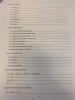 Define the following: 26. Audiogram 27. Substernal 28. Osteotomy 29. Vertigo 30. Otalgia 31. Stapedectomy 32. Clavicular 33. Osteitis Supply the defined word: 34. Excision of the intervertebral disk 35. Referring to above the shoulder blade 36. Inflammation of many muscles 37. Changes in hearing that occur with age, 38. Incision into the eardrum 39. Referring to hearing 40. Motion of turning the palm upward 41. Abnormal condition of stiffening Correct any spelling errors: 42. Otoeskope 43. Ostioklast 44. Innverrzion...
18. Given the table of measurements 24 29 32 25 26 25 28 29 30 30...
 18. Given the table of measurements 24 29 32 25 26 25 28 29 30 30 28 27 28 26 27 30 29 29 27 28 28 27 26 27 29 31 27 28 46 Find the x ± 3s spread of values for the data in exercise 18.
1. Remember: When you lift your arm above your head, the scapula protracts, elevates, and upwardly...
1. Remember: When you lift your arm above your head, the scapula protracts, elevates, and upwardly rotates. When you bring your arm down to your side, the scapula retracts, depresses, and downwardly rotates. 2. What is the difference between the actions of the pectoralis minor and the serratus anterior? Which muscle likely contracts more when you lift your arm above your head? 3. List all the actions of the trapezius muscle on the neck. List all the actions of the...
28. ___ is a hormone released from the kidneys due to a drop in blood pressure....
28. ___ is a hormone released from the kidneys due to a drop in blood pressure. 29. The function of ___ from the kidney is to stimulate red blood cell production in the bone marrow. 30. ___ is the primary process occurring within the proximal convoluted tubules that allows for the return of fluids and nutrients to the body. 31. The ___ is the bone of the arm. 32. ___ is an excessive lateral curvature of the vertebral column. 33....
Age Length 1 22 1 22 1 23 1 24 1 25 1 25 1 26 1 26 1 27 1 28 1 29 1 29 1 30 1 30 1 30...
 Age
Length
1
22
1
22
1
23
1
24
1
25
1
25
1
26
1
26
1
27
1
28
1
29
1
29
1
30
1
30
1
30
1
30
1
31
1
31
1
32
1
32
1
33
1
33
1
35
1
35
1
39
1
41
1
42
1
44
2
28
2
29
2
30
2
31
2
32
2
32
2
33
2
34
2
35
2
36
2
38...
Age
Length
1
22
1
22
1
23
1
24
1
25
1
25
1
26
1
26
1
27
1
28
1
29
1
29
1
30
1
30
1
30
1
30
1
31
1
31
1
32
1
32
1
33
1
33
1
35
1
35
1
39
1
41
1
42
1
44
2
28
2
29
2
30
2
31
2
32
2
32
2
33
2
34
2
35
2
36
2
38...
Q32,33 2 27, b=a2 29. b na 28. b-a' 30. b- (b, a) Find the ged...
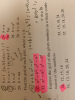 Q32,33
2 27, b=a2 29. b na 28. b-a' 30. b- (b, a) Find the ged of each pair, where a > b. 2 2 2 32. a-h as h 33. a-b2. a-b4 Express the ged of the given numbers as a linear combi- nation of the numbers. 34. 12, 15, 18 36. 12, 18, 20, 24 ごatb 35. 15, 18, 24 37. 15, 18, 20, 28
Q32,33
2 27, b=a2 29. b na 28. b-a' 30. b- (b, a) Find the ged of each pair, where a > b. 2 2 2 32. a-h as h 33. a-b2. a-b4 Express the ged of the given numbers as a linear combi- nation of the numbers. 34. 12, 15, 18 36. 12, 18, 20, 24 ごatb 35. 15, 18, 24 37. 15, 18, 20, 28
Data set (observations) : 28 30 30 29 12 28 31 32 mean: 27.5 standard deviation:...
Data set (observations) : 28 30 30 29 12 28 31 32 mean: 27.5 standard deviation: 6.887 a) how many observations are within 2 standard deviations from the mean? b) are there any outliers in this dataset? name 3 things we might do with an outlier
 21. List the three bones which form the acetabulum a. b. C. and 22. The non-articulating portion of the acetabulum is the the area of the acetabulum that which interrupts the smooth circumference of the acetabular rim is the 23. The fovea capitis is an important site found on the femoral head, it is the attachment site for which ligament? What is its function? a. b. 24. What is the name of the ridge of the femur that provides attachments...
 24 26 30 28 29 28 29 25 30 26 29 27 32 28 28 27 27 26 25 29 2730 28 27 29 31 27 28 25. Use a stalistical calculator with the data values in exercise 18 to find b. Population standard deviation, assuming x-μ c. Sample standard deviation d.σ2 e. 29. Use the results from exercise 25 to find the following values for the data in exercise 18: What percentage of the data values in exercise 18...
 18. Given the table of measurements 24 26 30 28 29 28 29 29 25 30 26 2927 31 32 28 25 29 2730 28 2728 28 27 27 26 27 a. Make a tally histogram. b. Make a histogram for the individual measurements. c. Make a grouped histogram with the first group 24 to 25, the second group 26 to 27, etc.
 Define the following: 26. Audiogram 27. Substernal 28. Osteotomy 29. Vertigo 30. Otalgia 31. Stapedectomy 32. Clavicular 33. Osteitis Supply the defined word: 34. Excision of the intervertebral disk 35. Referring to above the shoulder blade 36. Inflammation of many muscles 37. Changes in hearing that occur with age, 38. Incision into the eardrum 39. Referring to hearing 40. Motion of turning the palm upward 41. Abnormal condition of stiffening Correct any spelling errors: 42. Otoeskope 43. Ostioklast 44. Innverrzion...
 18. Given the table of measurements 24 29 32 25 26 25 28 29 30 30 28 27 28 26 27 30 29 29 27 28 28 27 26 27 29 31 27 28 46 Find the x ± 3s spread of values for the data in exercise 18.
 Age
Length
1
22
1
22
1
23
1
24
1
25
1
25
1
26
1
26
1
27
1
28
1
29
1
29
1
30
1
30
1
30
1
30
1
31
1
31
1
32
1
32
1
33
1
33
1
35
1
35
1
39
1
41
1
42
1
44
2
28
2
29
2
30
2
31
2
32
2
32
2
33
2
34
2
35
2
36
2
38...
Age
Length
1
22
1
22
1
23
1
24
1
25
1
25
1
26
1
26
1
27
1
28
1
29
1
29
1
30
1
30
1
30
1
30
1
31
1
31
1
32
1
32
1
33
1
33
1
35
1
35
1
39
1
41
1
42
1
44
2
28
2
29
2
30
2
31
2
32
2
32
2
33
2
34
2
35
2
36
2
38...
 Q32,33
2 27, b=a2 29. b na 28. b-a' 30. b- (b, a) Find the ged of each pair, where a > b. 2 2 2 32. a-h as h 33. a-b2. a-b4 Express the ged of the given numbers as a linear combi- nation of the numbers. 34. 12, 15, 18 36. 12, 18, 20, 24 ごatb 35. 15, 18, 24 37. 15, 18, 20, 28
Q32,33
2 27, b=a2 29. b na 28. b-a' 30. b- (b, a) Find the ged of each pair, where a > b. 2 2 2 32. a-h as h 33. a-b2. a-b4 Express the ged of the given numbers as a linear combi- nation of the numbers. 34. 12, 15, 18 36. 12, 18, 20, 24 ごatb 35. 15, 18, 24 37. 15, 18, 20, 28
Most questions answered within 3 hours.
-
Where is the error in this code sequence?
String s1 = "Hello";
String s2 = "ello";...
asked 10 months ago -
Financial data for Joel de Paris, Inc., for last year
follow:
Joel de Paris, Inc.
Balance...
asked 10 months ago -
Consider this reaction:
Al2(SO4)3 (aq)+ BaCl3
(aq) Al2Cl6 (aq)- +
3BaSO4(s) . What is the...
asked 10 months ago -
Suppose that Savneet is considering increasing her
recent random sample from 20 car rentals to 40...
asked 10 months ago -
Trucks arrive at an unloading terminal at an average rate of 120
per hour.
Trucks arrive...
asked 10 months ago -
Why are methanol and ethanol completely soluble in water while
octanol is not very little soluble....
asked 10 months ago -
A facilities manager at a university reads in a research report
that the mean amount of...
asked 10 months ago -
When the CuSO4 is rehydrated by adding water to the anhydrous
compound, is this an endothermic...
asked 10 months ago -
A ray of sunlight is passing from diamond into crown glass; the
angle of incidence is...
asked 10 months ago -
A block of mass 0.249 kg is placed on top of a light, vertical
spring of...
asked 10 months ago -
how do the kidneys compensate in the presences of acidosis
a) trigger hyperventilate
b) reserve acid...
asked 10 months ago -
Question 501 pts
The rental rate of capital to the firm increases. Which of the
following...
asked 10 months ago